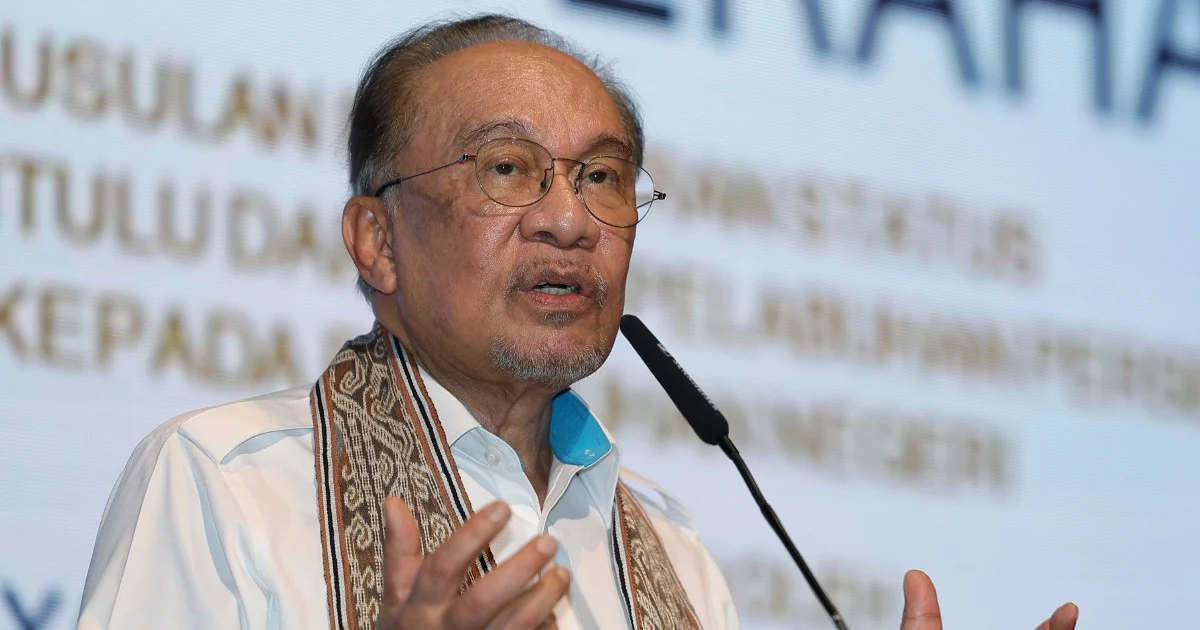
Prime Minister Datuk Seri Anwar Ibrahim has signalled that discussions between Malaysia's national oil and gas company Petronas and Sarawak's Petros are advancing constructively, offering fresh hope for resolution of resource governance matters that have long complicated the nation's energy landscape.
Anwar's remarks, delivered during a visit to Kuching, represent the latest optimistic reading of negotiations that have become increasingly significant for Sarawak's economic interests and federal-state relations. The discussions have taken on particular urgency given the divergent mandates and operational jurisdictions that the two companies maintain across Malaysia's petroleum resources, which remain among Southeast Asia's most valuable energy assets.
For Malaysian readers accustomed to hearing progress reports on slow-moving state-federal negotiations, Anwar's intervention signals that higher-level political will now backs the Petronas-Petros dialogue. This shift reflects broader recognition that unresolved friction between the two entities constrains investment decisions, exploration strategies, and revenue sharing arrangements that affect both Sarawak's treasury and the nation's hydrocarbon sector competitiveness.
The significance of these negotiations extends beyond boardroom mechanics. Petronas operates under federal mandate with extensive upstream and downstream responsibilities across Malaysian waters, while Petros, established to champion Sarawak's resource interests, functions as a state-level counterpart with its own commercial ambitions and strategic objectives. Harmonising their activities without surrendering either entity's core mandate has proven notoriously difficult.
Previous attempts to align their operations have foundered on disagreements over revenue distribution, exploration rights, and operational control—tensions rooted in constitutional questions about resource ownership and management authority between federal and state governments. The impasse has occasionally created inefficiencies, duplicated administrative structures, and complicated international negotiations where clear Malaysian positions carry greater weight.
Anwar's optimism suggests negotiators have identified workable compromise frameworks that might satisfy both Petronas's federal role and Petros's state-level imperatives. The positive language indicates discussions may have progressed beyond positional declarations toward substantive agreement on specific issues, though details remain undisclosed pending formal resolution.
For Southeast Asian energy markets, smoother Petronas-Petros coordination could strengthen Malaysia's negotiating position in regional energy diplomacy. Clearer operational alignment would facilitate more cohesive strategies for natural gas exports, liquefied natural gas project development, and upstream investment attraction—all areas where consistent Malaysian messaging improves outcomes against competing regional suppliers.
Investors monitoring Malaysia's petroleum sector will likely interpret Anwar's remarks as reducing uncertainty around major project approvals and resource development decisions that have been held pending such negotiations. Once substantial agreements take concrete form, anticipated acceleration in exploration activities and infrastructure investment could provide measurable benefits to equipment suppliers, engineering firms, and service companies throughout Malaysia's energy ecosystem.
For Sarawak specifically, progress signals the state's concerns regarding resource stewardship and revenue retention are receiving federal acknowledgment. Successful negotiation outcomes typically require each party claiming substantive victories—a dynamic that suggests both Petronas and Petros may be securing elements important to their institutional positioning.
The timing of Anwar's Kuching visit and his public commentary carry symbolic significance beyond the negotiation substance itself. Prime ministerial engagement with state-level resource governance demonstrates that federal leadership views these discussions as consequential enough to warrant direct attention, potentially accelerating internal approval processes that might otherwise extend timelines considerably.
Regional observers will note that successful Malaysian coordination on energy governance could strengthen the nation's standing within ASEAN energy cooperation frameworks. Clearer institutional alignment internally generates capacity for more decisive participation in regional discussions about energy security, supply chain resilience, and petrochemical industry development.
As negotiations progress toward what Anwar's remarks suggest is increasing concreteness, the broader Malaysian business community awaits detail on whether agreements will unlock currently stalled projects, clarify decision-making hierarchies, or establish new revenue-sharing mechanisms. Such specifics will determine whether positive momentum translates into tangible economic outcomes or represents incremental progress on an inherently complicated relationship.

