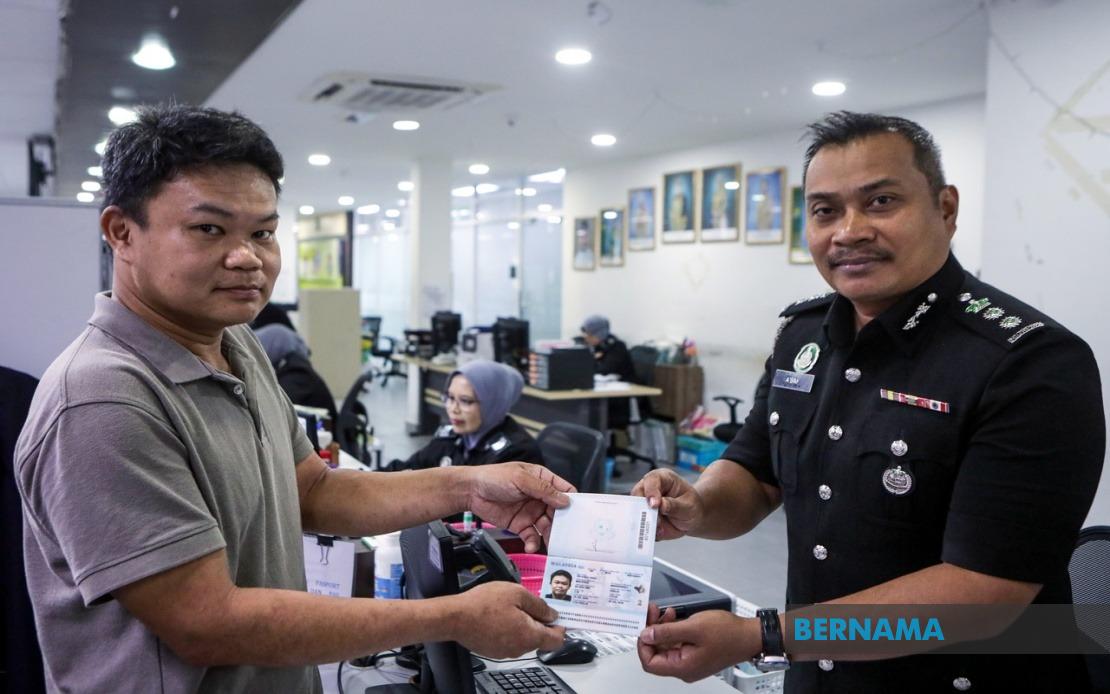
The Perlis Immigration Department initiated distribution of the new Malaysian International Passport (PMA) on July 20, marking the first state to operationalise the upgraded travel document since Prime Minister Datuk Seri Anwar Ibrahim unveiled the initiative on June 30. The fresh passport design incorporates 94 distinct security features designed to combat forgery and enhance document integrity for Malaysian travellers navigating an increasingly complex global travel environment.
According to Mohammad A'sim Md Ali, director of Perlis Immigration, the rollout commenced at the Immigration Office situated within the Kangar Urban Transformation Centre (UTC). The initial location represents a temporary dispensing point while infrastructure upgrades proceed at the primary facility. Officials expect to relocate full printing operations to the Perlis Ministry of Home Affairs Complex once renovation and counter modernisation projects conclude, anticipated for October. This phased approach allows the state to serve applicants immediately whilst permanent systems are finalised.
The timing of Perlis's launch follows the official opening of applications to Malaysian citizens aged 18 and above from July 1. A significant feature of the new passport framework permits applicants to select between five and ten-year validity periods, accommodating diverse travel patterns and renewal preferences. This flexibility represents a departure from previous standardised approaches, reflecting acknowledgment that modern Malaysian travellers maintain varying engagement levels with international movement.
Initial uptake has exceeded departmental expectations, with staff reporting encouraging public response on the launch day itself. Between January 1 and July 17, the Perlis Immigration Department processed 31,722 travel documents across multiple categories. This figure encompasses 6,918 conventional passports, 72 Restricted Travel Documents serving specific circumstances, and 24,732 Border Passes facilitating regional movement without full passport processing. The volume underscores persistent demand for travel authorisation across Malaysian society.
The new passport design represents substantial evolution in Malaysia's border control and identity security architecture. With 94 embedded security elements ranging from biometric integration to advanced printing techniques, the document aims to establish Malaysian credentials among the most secure in the region. For Malaysian expatriates, frequent business travellers, and tourism industry professionals, this advancement potentially reduces friction at foreign immigration checkpoints whilst strengthening national identity authentication globally.
Implementation across Malaysia's thirteen states will proceed incrementally, with Perlis serving as the inaugural operational centre. The staggered approach permits immigration authorities to identify logistical challenges, train personnel systematically, and refine distribution protocols before nationwide expansion. States including Selangor, Penang, and Johor will subsequently establish their own printing facilities, though specific timelines remain pending final infrastructure preparations.
For Malaysian travellers, the new passport modernisation carries practical implications extending beyond aesthetic redesign. Enhanced security features reduce counterfeit risks that occasionally affect Malaysian citizens abroad, while biometric integration streamlines international border crossings increasingly reliant on automated systems. The dual validity option provides financial flexibility, permitting younger applicants or those with limited travel frequency to select shorter renewal cycles, whilst career professionals and frequent travellers benefit from extended validity reducing administrative burden.
The passport initiative reflects broader governmental emphasis on modernising public service infrastructure. Prime Minister Anwar Ibrahim's emphasis on strengthening travel document security aligns with Malaysia's positioning as a regional economic and tourism hub. Enhanced credentials contribute to national brand consolidation whilst facilitating smoother international business transactions essential for Malaysia's services and digital economy sectors.
Stakeholders including tourism authorities, international business chambers, and diaspora communities have generally welcomed the advancement. The decision to permit validity period selection demonstrates receptiveness to citizen preferences, departing from previous one-size-fits-all approaches characteristic of earlier administrative frameworks. This responsiveness potentially strengthens public confidence in government modernisation efforts extending beyond immigration services.
As additional states transition to the new passport system throughout 2024 and beyond, immigration administrators face coordination challenges ensuring consistent service quality across diverse offices. Training personnel across multiple states to operate sophisticated printing machinery whilst maintaining security protocols requires substantial investment. Perlis's pilot phase will generate operational lessons applicable to subsequent state implementations, potentially accelerating nationwide adoption.
The security enhancement arrives amid evolving global travel security dynamics. International organisations increasingly mandate sophisticated identity verification in response to cross-border threats. Malaysia's proactive passport modernisation positions the nation competitively within regional and international travel ecosystems. For Malaysian citizens, this translates to improved acceptance at border checkpoints globally and reduced administrative complications when establishing identity internationally.

