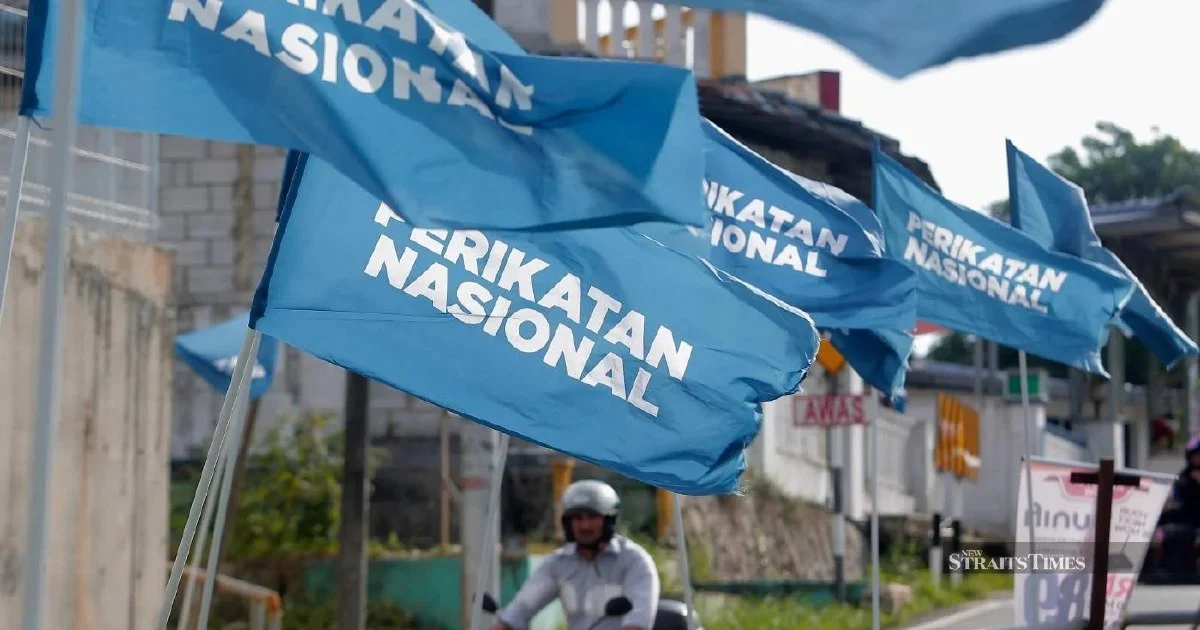
Perikatan Nasional shows few signs of abandoning its partnership with Bersatu in the near term, despite reported friction between the coalition's main components, according to political observers monitoring the alliance's stability ahead of critical state elections. The timing of upcoming electoral contests in Johor and Negri Sembilan appears to be cementing PN's commitment to keep the coalition intact, even as internal disagreements simmer beneath the surface.
Analysts point to the electoral calculus underpinning PN's pragmatic approach to its internal management. Breaking ranks with any major partner before state-level contests would risk fragmenting the coalition's voter base and potentially handing advantages to rival political blocs. This consideration carries particular weight in Johor, where PN has invested substantial political capital, and in Negri Sembilan, where the coalition seeks to consolidate or expand its presence. The electoral timeline effectively constrains leadership options and forces a focus on short-term cohesion over the resolution of deeper structural tensions.
Bersatu's position within the coalition remains strategically important despite the various challenges the party faces independently. As a component that brings its own electoral machinery and voter networks to PN's broader campaign efforts, losing Bersatu would require the other coalition members to reallocate resources and rebuild campaign structures in multiple constituencies. The disruption would come precisely when coordinated action across component parties delivers maximum electoral effect.
Observers also note that PN's leadership has demonstrated a preference for managing coalition dynamics through dialogue rather than confrontation in past instances. This institutional tendency favours approaches that preserve formal alignments even when underlying relationships prove strained. The coalition's various components have learned that visible discord sends confusing signals to voters and can undermine the narrative unity that PN attempts to project as a governing alternative.
The broader competitive landscape reinforces incentives for PN to maintain its existing structure. With Barisan Nasional consolidating its position in several regions and Pakatan Harapan reorganizing after recent political transitions, allowing coalition partners to drift into separate political spaces would diminish PN's overall electoral competitiveness. The coalition benefits from presenting itself as a unified force capable of delivering coordinated policy implementation if voted into office.
Bersatu's own political calculations likely align with this preservation of the status quo, at least through the immediate electoral cycle. The party benefits from the resources, campaign apparatus, and political legitimacy that coalition membership provides. Conversely, operating outside a formal coalition structure would require rebuilding support networks and contesting elections on a significantly smaller scale.
The experience of recent state-level contests elsewhere in Malaysia provides instructive examples of how coalition instability can benefit opposition forces. When governing coalitions appear fractious or prone to public disputes, voter confidence declines and anti-establishment messaging becomes more effective. PN's leadership appears conscious of this dynamic and determined to avoid replicating patterns that have damaged other political alliances.
Looking ahead, analysts suggest that the configuration of PN and Bersatu may face more significant stress points after the immediate electoral cycle concludes. Questions about resource distribution, cabinet positions, and policy direction typically emerge with greater intensity once elections are concluded and governing responsibilities begin. The current period of outward coalition unity may therefore represent a temporary equilibrium rather than a permanent resolution of underlying tensions.
The maintenance of PN's current structure also reflects limited viable alternatives for all parties involved. Bersatu joining Barisan Nasional would require accepting a subordinate position within an established hierarchy. Attempting to build a coalition with Pakatan Harapan elements would entail complex negotiations and compromise on issues where each party has staked significant political capital. For PN's other components, accepting Bersatu's departure would weaken their collective bargaining power and electoral prospects.
Median observers believe that PN's leadership will continue emphasizing messages of coalition unity and shared purpose through the state elections, with public statements and coordinated campaign appearances designed to project an image of stability. This performative unity serves multiple functions simultaneously: reassuring voters about PN's capacity to govern effectively, signalling to other potential coalition partners that alignment with PN offers reliable stability, and maintaining morale among the party cadres and volunteers who execute electoral campaigns.
For Malaysian voters assessing their electoral options, the apparent solidity of PN's coalition structure may provide reassurance about the coalition's viability as a governing option, while observers of Malaysian politics recognize that such electoral-cycle unity often masks deeper structural challenges that may resurface once immediate electoral pressures ease.

