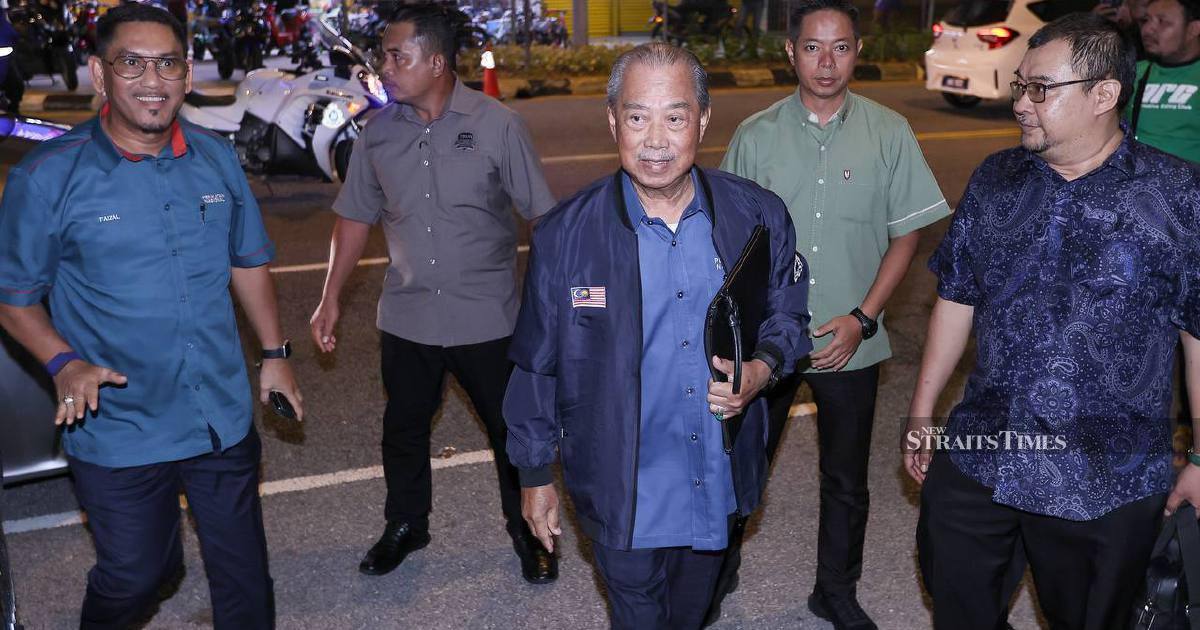
The Perikatan Nasional coalition convened an unscheduled Supreme Council gathering at the PAS headquarters in Kuala Lumpur, underscoring mounting pressure on the opposition alliance as it confronts strategic challenges in the current political environment. The urgency of assembling the decision-making body signals that PN faces issues requiring immediate attention from its top leadership, though the specific agenda remained undisclosed at the time of the meeting.
PN's emergency session reflects the broader instability that has characterised Malaysian opposition politics since the 2022 general election, when the coalition emerged as a formidable political force but fell short of capturing federal power. The alliance, comprising PAS as the dominant Islamic party, Bersatu, and smaller components, has since grappled with internal coordination challenges and strategic disagreements over party positioning and electoral strategy going forward.
The decision to convene at PAS headquarters carries symbolic weight, as PAS functions as the coalition's anchor and primary decision-maker. The Islamic party's dominant position within PN, combined with its robust grassroots machinery, has made it the gravitational centre of the opposition alliance. However, this concentration of influence has periodically sparked tensions with other coalition partners, who sometimes feel marginalised in strategic deliberations.
For Malaysian observers, PN's internal management remains a critical variable in opposition politics. The coalition's coherence directly influences its capacity to mount effective parliamentary scrutiny and serve as a credible alternative government. Fragmentation within PN would fundamentally reshape the political landscape by potentially strengthening the ruling coalition's parliamentary position or creating new, unpredictable alliance configurations.
Regional observers have watched PN carefully, as the coalition's trajectory affects broader Southeast Asian democratic dynamics. A stable, robust opposition strengthens democratic institutions and accountability mechanisms, while repeated internal crises can undermine public confidence in democratic alternatives. The coalition's handling of its internal disputes therefore carries implications beyond Malaysia's borders.
The coalition must balance competing pressures as it navigates post-election politics. PN members represent diverse constituencies with sometimes conflicting policy preferences, from Islamic governance questions to economic priorities and ethnic relations. Managing these internal differences while maintaining party discipline and public credibility demands sophisticated political management.
Financial pressures also feature in opposition coalition dynamics. Unlike ruling parties that benefit from state resources and patronage networks, opposition alliances must generate internal funding while maintaining electoral competitiveness. Economic constraints can exacerbate internal tensions when parties compete for limited resources or perceive unequal burden-sharing in campaign operations.
The emergency nature of the meeting suggests developments that could not wait for scheduled gatherings. This might encompass personnel matters, responses to government initiatives, parliamentary strategy adjustments, or mediation of inter-party disputes. The leadership's willingness to drop immediate schedules and assemble demonstrates that PN perceives significant stakes in the issues under discussion.
Parliamentary dynamics have shifted considerably since the 2022 election, with various independent MPs and smaller parties occasionally shifting allegiances or withholding support on specific matters. PN's capacity to maintain coalition discipline while navigating these fluid parliamentary circumstances requires constant strategic recalibration. The opposition coalition must simultaneously maintain internal cohesion and demonstrate effectiveness in parliamentary work to maintain public relevance.
For Malaysians observing the political landscape, PN's repeated emergency meetings and internal restructuring exercises reflect the perpetual challenges facing opposition politics in competitive systems. Building sustainable, effective opposition coalitions demands balancing ideological coherence with pragmatic flexibility, maintaining party autonomy while subordinating some interests to coalition goals, and generating sufficient internal resources without state support.
The outcome of tonight's Supreme Council session will likely influence PN's positioning in parliament, public advocacy strategies, and inter-party relationships in coming weeks. Opposition coalitions that manage internal pressures successfully tend to gain public support and strengthen democratic institutions through robust parliamentary engagement. Conversely, those consumed by internal disputes risk irrelevance and fragmentation.
Stakeholders ranging from civil society organisations to business interests and foreign observers monitor PN's stability carefully. A functionally coherent opposition coalition provides essential democratic checks on executive power, improves policy deliberation through substantive parliamentary debate, and offers voters meaningful political alternatives. These systemic benefits explain why PN's internal management carries significance extending well beyond the coalition's own organisational interests.

