Perak is experiencing a resilience in domestic tourism that masks deeper challenges in attracting international visitors, with overnight arrivals from Malaysian travellers climbing to 10.4 million in 2025 from 10.2 million the previous year. However, this modest growth on the domestic front conceals a contraction in the state's ability to draw foreign tourists, a sector that typically generates higher spending per visitor and commands greater strategic importance in the state's economic diversification plans.
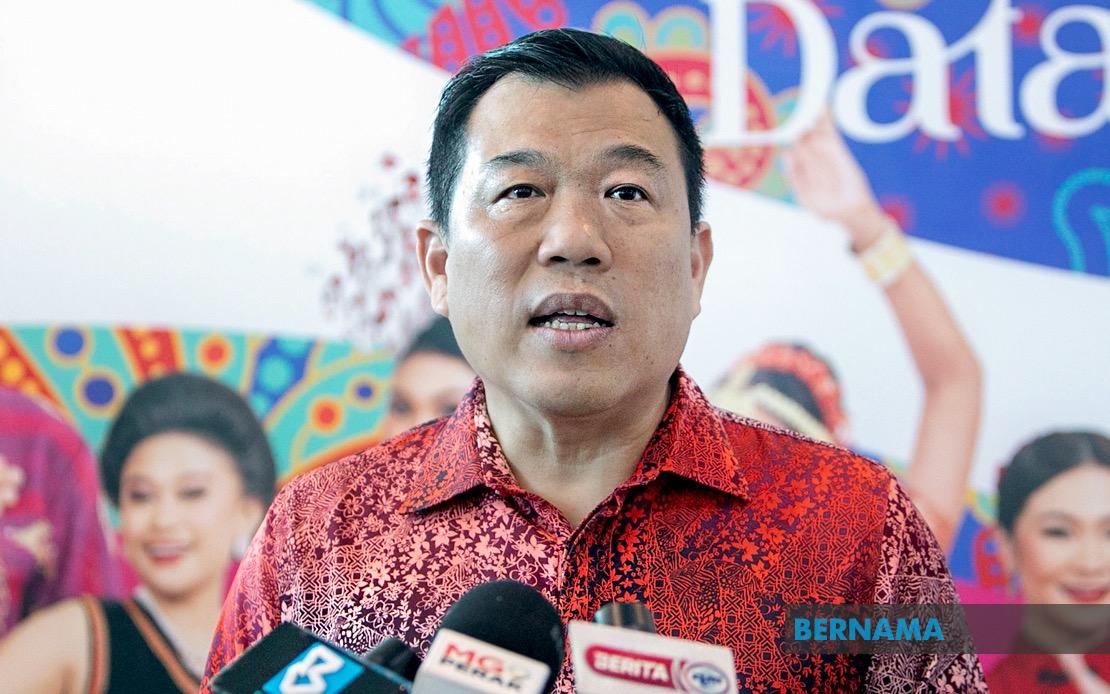
The 1.5 per cent downturn in international arrivals reflects structural obstacles that extend beyond seasonal fluctuations or temporary shifts in travel preference. According to Loh Sze Yee, the state's Tourism, Industry, Investment and Corridor Development Committee chairman, the suspension of direct flights on the Singapore-Ipoh route has created a significant barrier for international passengers seeking convenient access to Perak's attractions. This connectivity gap forces potential visitors through less efficient routing, adding travel time and cost—factors that decisively influence booking decisions in an increasingly competitive regional tourism market where neighbouring destinations like Thailand and Indonesia offer superior flight networks.
The global oil crisis compounds these challenges for aviation-dependent tourism. As fuel costs remain volatile and airlines adjust capacity, routes connecting smaller regional hubs like Ipoh to major feeder cities face cancellation or consolidation, particularly when demand cannot sustain premium pricing. For Perak, which lacks the passenger volume of Kuala Lumpur or the beach appeal of Langkawi, the loss of direct connectivity strikes at its most vulnerable point—the ability to draw spontaneous or leisure-segment international travellers who prioritise convenience.
Within Malaysia's domestic tourism hierarchy, Perak holds third position with 23.6 million visitors annually, trailing Selangor's commanding 36.4 million and Kuala Lumpur's 35.1 million. This ranking underscores the state's reliance on domestic market segments—families, weekend getaways, adventure seekers exploring limestone formations and heritage sites. The growth from 10.2 million to 10.4 million domestic overnight stays suggests that Perak's core attractions—the Ipoh Old Town's colonial architecture, the Kinta Valley's natural caves, and the Temengor Lakes system—continue to resonate with Malaysian travellers, particularly those from the Klang Valley and central peninsula regions seeking weekend escapes.
The strategic choice to host the Pantai Timur Fest 2026 in Ipoh reflects a deliberate effort to reposition the state within Malaysia's tourism geography. By selecting Ipoh as the venue for an event celebrating the East Coast's tourism offerings—specifically Kelantan, Terengganu, and Pahang—Tourism Malaysia has essentially designated Perak as a northern gateway and distribution hub for broader regional tourism products. This positioning acknowledges that Ipoh, as the state capital and largest urban centre in northern Peninsular Malaysia, can function as a transit and coordination point for travellers exploring multiple East Coast destinations.
The festival itself, featuring 30 exhibition booths from tourism operators across the East Coast states, represents more than ceremonial pageantry. It embeds commercial transactions within cultural programming—traditional craft demonstrations, heritage food promotions, and interactive activities that allow Malaysian travellers to sample and purchase tourism experiences directly. By concentrating East Coast tourism products in an Ipoh venue, the event implicitly encourages visitors from Perak's own catchment zones in the north, central, and southern regions to bundle multiple destinations into a single trip, potentially extending stay duration and increasing per-capita spending across the broader northern tourism corridor.
For Malaysian travellers particularly, this approach carries practical logic. Instead of separately planning journeys to Kelantan, Terengganu, and Pahang, visitors can attend consolidated exhibitions, negotiate group travel packages, and obtain real-time information about availability and pricing—reducing search costs and decision friction. The special offers and discounts advertised in conjunction with the Visit Malaysia 2026 campaign further sweeten these opportunities, essentially using Perak as a retail environment for East Coast tourism merchandise.
The underlying narrative, however, reveals tourism policy wrestling with bifurcated outcomes. Domestic growth masks international decline, and the promotional energy channelled into the Pantai Timur Fest signals investment in the high-volume, lower-margin domestic segment rather than attempting to restore international competitiveness through flight route restoration or major infrastructure upgrades. This is, in essence, a retreat from aspirational regional positioning to consolidation of accessible domestic markets—a pragmatic response to constraints but one that limits Perak's ability to capture premium international spending or to compete for the sophisticated leisure traveller increasingly important to regional destinations like Langkawi and Penang.
The implications for Perak's tourism sector thus extend beyond statistical adjustments. The state faces a transitional moment where it must either invest substantially in reversing international connectivity gaps and repositioning Perak as a quality destination worth international travel friction, or accept its role as a well-managed domestic tourism commodity within a broader Malaysian itinerary—valuable but ultimately subordinate to larger metropolitan and coastal destinations in the competitive hierarchy.

