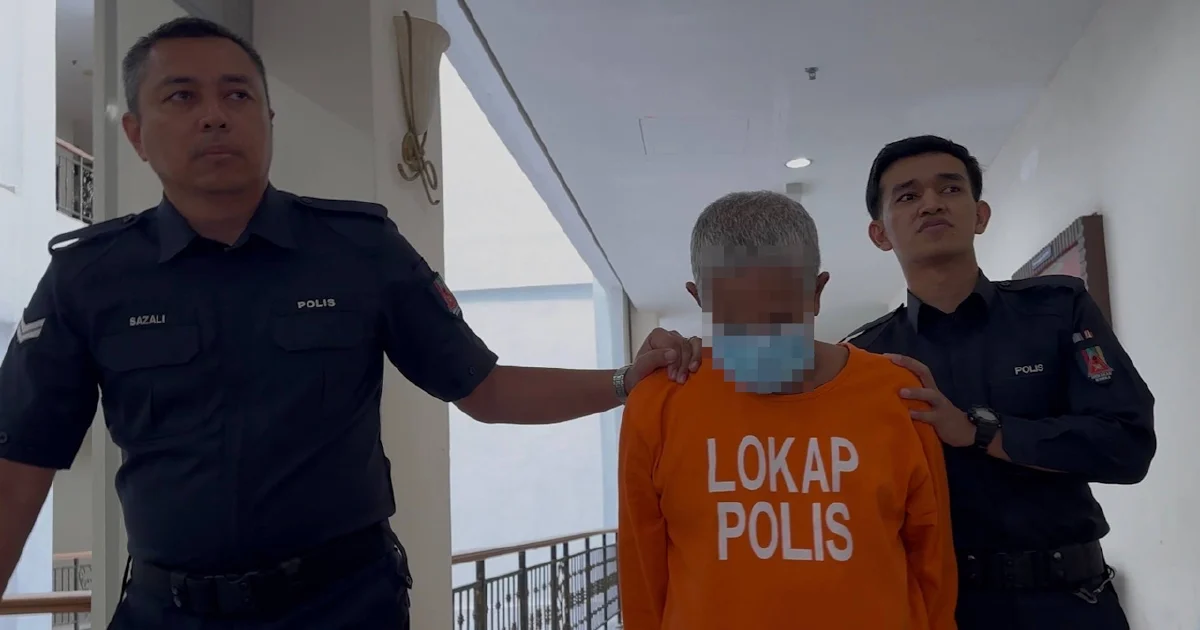
A 67-year-old pensioner in Muar has received one of the harsher sentences for sexual crimes against children in recent years, drawing a clear line by the judiciary on the gravity of intergenerational abuse within the family unit. The Sessions Court here handed down a 33-year prison term and ordered 14 strokes of the cane following his guilty plea to five counts of raping and sexually assaulting his two granddaughters. The severity of the punishment reflects both the number of offences committed and the profound breach of trust inherent when a grandparent—a figure traditionally associated with protection and care—becomes the perpetrator of such crimes.
The nature of the crimes underscores a troubling vulnerability in Malaysian society: children often remain at risk within their own households and from family members they are taught to obey and respect. Sexual abuse by relatives accounts for a significant proportion of child protection cases handled by authorities nationwide, yet many incidents go unreported due to shame, fear, or family pressure to keep matters private. The fact that this case involved two victims and reached the courtroom suggests that the girls or their guardians found the courage to come forward, setting in motion the legal machinery that has now resulted in conviction and incarceration.
The sentence handed down by the Sessions Court in Muar carries several components that serve distinct purposes within Malaysia's criminal justice framework. The 33-year prison term ensures substantial incapacitation, removing the offender from society for decades during which he would otherwise pose a continued threat. This length of sentence is particularly significant given that many sexual assault cases result in shorter periods of imprisonment, reflecting judicial concern about the vulnerability of the victims and the repeated nature of the offences. The additional punishment of 14 strokes of the cane, a form of corporal punishment that remains legal in Malaysia for certain crimes, demonstrates the court's view that the crimes warranted the maximum available sanctions under sentencing guidelines.
For the victims and their families, a conviction and substantial custodial sentence provide legal vindication and a measure of closure, though the psychological and emotional recovery from such trauma typically extends far beyond the courtroom. Child sexual abuse survivors often experience lasting difficulties including post-traumatic stress, difficulties forming relationships, and challenges with trust and safety throughout their lives. The sentence may offer some reassurance that the person responsible has been removed from their environment and will not be in a position to cause further harm during his remaining years, but it does not erase the harm already done.
The case also highlights the role of Malaysia's criminal justice system in addressing child protection concerns. The willingness of the court to impose a substantial sentence indicates that judicial officers take seriously the prosecution of sexual crimes against minors, particularly those perpetrated by family members. The guilty plea itself may have streamlined proceedings and spared the granddaughters the ordeal of giving testimony in open court, though they would likely have been interviewed extensively during investigation and case preparation.
From a social perspective, convictions such as this one serve an important function in public awareness. They demonstrate that family relationships do not exempt individuals from criminal liability for sexual violence, and that the legal system has mechanisms—albeit imperfect ones—to respond to such abuse. However, many child protection experts emphasise that criminal justice responses are only one part of a comprehensive approach to preventing sexual abuse. Prevention requires community education, early identification of warning signs, and support systems that encourage reporting and provide care to survivors.
The sentence raises broader questions about rehabilitation and ageing offenders in Malaysian correctional facilities. A 67-year-old man sentenced to 33 years would likely spend the remainder of his natural life imprisoned, assuming he completes the full term. Correctional authorities will need to manage healthcare, end-of-life care, and security considerations for ageing prisoners, issues that extend beyond the immediate scope of punishment but become practical realities for the prison system.
The case also underscores the importance of family vigilance and community awareness regarding warning signs of child abuse. Educational efforts to teach children about body safety, appropriate and inappropriate touching, and the importance of telling trusted adults when they are harmed remain critical components of child protection infrastructure. Schools, healthcare providers, and community organisations in Muar and beyond continue to play essential roles in fostering environments where children feel safe to disclose abuse and where suspicious adults can be identified and reported to authorities.
Moving forward, the sentence handed down in Muar sends a clear message to potential offenders that sexual crimes against children, particularly within family contexts, will be treated as grave offences warranting lengthy imprisonment and additional punishment. At the same time, it underscores the ongoing need for victim support services, family counselling, and community-based prevention programmes to address the root causes and warning signs of child sexual abuse. The conviction represents a significant moment in the lives of the two young victims, their family, and the broader community, demonstrating that Malaysia's courts will act decisively to protect children from sexual exploitation when cases reach trial.

