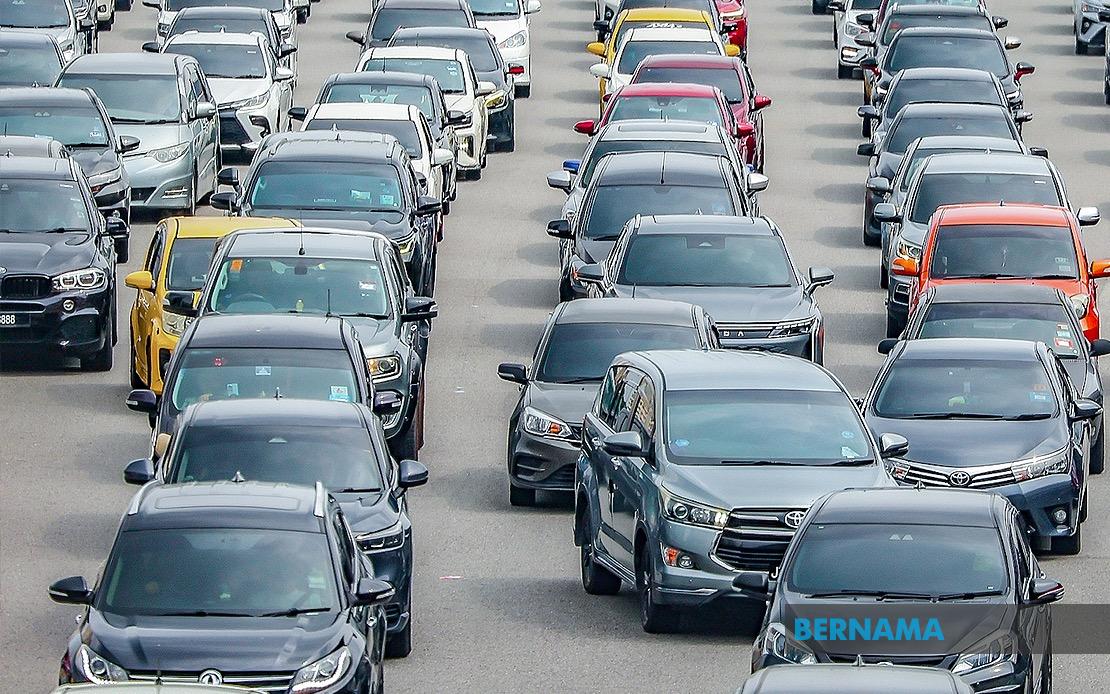
Security and traffic operations for the HAWANA 2026 National Journalists' Day celebration will proceed without closing main roads in the vicinity of PICCA Convention Centre @ Butterworth Arena, according to assurances from Penang police leadership. Datuk Azizee Ismail, the state's police chief, stressed that comprehensive measures are already in place to facilitate the three-day event while maintaining normal vehicular flow for the general public.
The approach mirrors the successful implementation during Malaysia Day 2025 festivities held at the same venue, suggesting that proven operational frameworks will guide this year's planning. This continuity offers reassurance to both event organisers and residents concerned about potential congestion in the heavily trafficked Butterworth area. Rather than implement full road closures, the Penang Traffic Police will deploy strategic diversions at key intersections coupled with on-ground personnel stationed to regulate vehicle movement, a tactic designed to balance crowd management with community convenience.
The HAWANA 2026 Summit, to be officially opened by Prime Minister Datuk Seri Anwar Ibrahim on June 20, represents a significant gathering of Malaysia's media landscape. The three-day programme will welcome approximately 1,000 media practitioners from within the country and internationally, creating substantial demand for parking, transportation, and crowd management. This scale of participation underscores the prestige attached to an event celebrating journalistic contributions and professional standards across the nation's media sector.
Themed "Media Integrity Strengthens Credibility", the summit functions as both a recognition platform and a policy dialogue forum for the fourth estate. Organised by the Ministry of Communications with Bernama, the national news agency, spearheading implementation, HAWANA 2026 reflects the government's commitment to elevating discourse around journalism standards and media responsibility in an increasingly complex information ecosystem. For Malaysian and regional media professionals, the gathering offers networking opportunities and exposure to contemporary challenges facing the industry.
Beyond the professional summit, the accompanying Riuh Pi HAWANA Carnival at the same venue is anticipated to draw around 30,000 public visitors over the three-day period. This family-oriented component significantly amplifies the event's community footprint and necessitates even more granular traffic and security planning. The carnival showcase more than 24 local creative product brands, 20 food and beverage vendors, and will host 16 stage performances featuring established Malaysian artists including Exists, Bunkfac, Masdo, Sakura Band, and Chelsea Ng, all offered at free admission to boost accessibility.
The Penang police's personnel deployment for this event will match the strength allocated during the previous Malaysia Day celebration, indicating a substantial commitment of human resources to intersection management, crowd control, and emergency response. This allocation reflects confidence in the ability to handle anticipated volumes without requiring extraordinary operational escalation. Officers will be positioned strategically to manage the peak traffic periods anticipated during event opening and closing times, as well as throughout afternoon and evening hours when public carnival attendance typically peaks.
For residents and commuters in the Butterworth vicinity, the implementation of traffic diversions rather than closures represents a pragmatic compromise. While journey times may increase during the three-day period, particularly on the approach roads to PICCA Convention Centre, the police have indicated that proper advance planning and adherence to officer instructions can minimise inconvenience. The public advisory emphasises the importance of checking alternative routes beforehand and allowing additional travel time rather than attempting to navigate affected areas during peak event hours.
The broader regional context matters here: Penang's position as a major commercial and tourism hub means that disruptions to road networks have ripple effects across supply chains, commuter patterns, and visitor experiences. The police strategy therefore reflects not merely event management but careful consideration of Penang's economic vitality and reputation for operational efficiency. Demonstrating the ability to host large-scale, high-profile gatherings without significant infrastructure paralysis enhances the state's credentials for attracting future major conferences and celebrations.
For Malaysian journalists specifically, HAWANA 2026 offers a rare moment of collective professional identity and national recognition. In an era marked by fragmentation of media ownership, digital disruption, and evolving audience trust metrics, bringing together practitioners from traditional and digital outlets to discuss integrity and credibility carries symbolic weight. The carnival component, with its focus on creative local brands and interactive workshops, also reflects a broader cultural celebration of Malaysian talent and innovation.
Looking ahead to the June 20 opening, all stakeholder groups—event organisers, law enforcement, local authorities, media practitioners, and the general public—will benefit from the clarity provided by police assurances and operational transparency. Clear communication about traffic management, parking facilities, and security protocols in advance of the event reduces anxiety and enables smoother execution. The Penang police's willingness to engage proactively with public messaging sets a constructive tone for the celebration and underscores the institution's responsiveness to community concerns.
The HAWANA 2026 event ultimately represents a convergence of professional ambitions, public celebration, and operational planning. By confirming that main roads will remain open and that security measures will prioritise both event quality and resident convenience, Penang police have signalled a mature, community-conscious approach to managing large gatherings. This framework may offer lessons for other Malaysian states planning similar major events, demonstrating that spectacle and practicality need not be mutually exclusive.