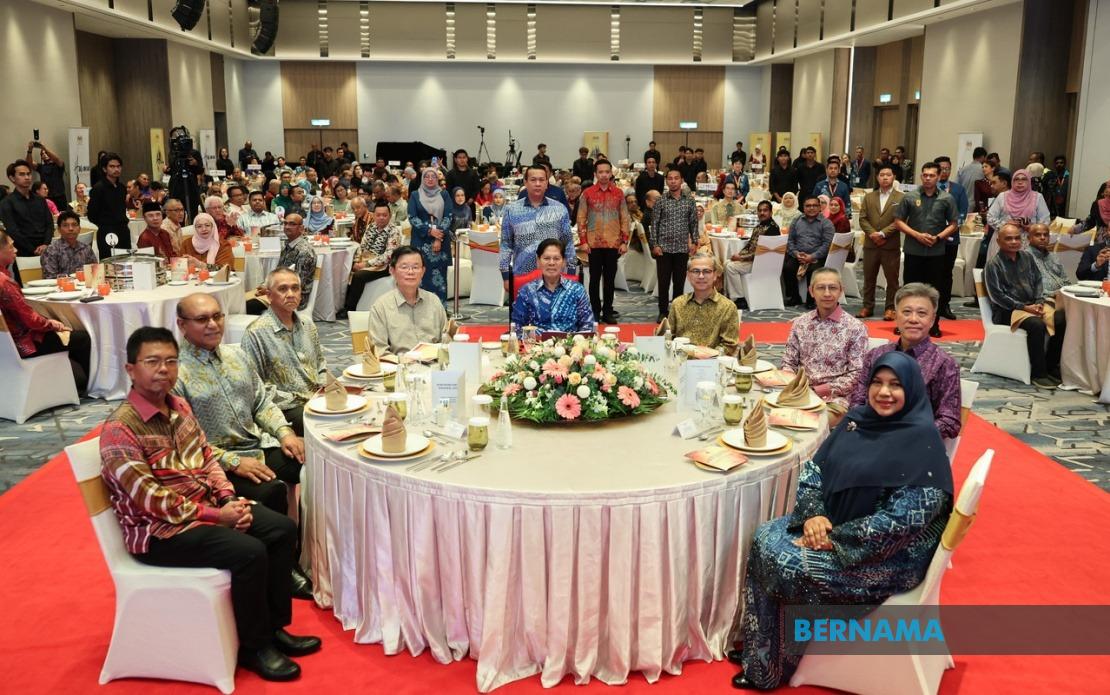
Penang has become the focal point of Malaysia's media calendar as the state hosts the 2026 National Journalists' Day (HAWANA) celebrations, a significant recognition of the profession's role in national development. Penang Governor Tun Ramli Ngah Talib has praised the Ministry of Communications for its decision to distribute these celebrations among different states, a move designed to foster greater public understanding of journalism's contributions while allowing each region to participate meaningfully in honouring the media fraternity.
The designation of Penang as this year's host carries particular symbolic weight for a state increasingly positioning itself as a vibrant hub for economic and social progress. In his remarks following the inaugural dinner gathering, Tun Ramli underscored the honour bestowed upon the state, emphasising Penang's continued trajectory as a developed, dynamic and competitive jurisdiction within Malaysia. This selection reflects both Penang's growing prominence and the recognition that regional media ecosystems deserve dedicated platforms for celebrating professional achievement and fostering industry connections.
The HAWANA initiative extends beyond simple recognition of individual journalists. Rather, it functions as a multifaceted platform serving several interconnected purposes within the media landscape. The event brings together veteran journalists who have shaped Malaysia's information environment, contemporary editors and senior media executives overseeing both local and international newsrooms, and emerging communication professionals navigating an increasingly complex media terrain. By congregating these diverse stakeholders, HAWANA strengthens professional bonds and facilitates the kind of collegial exchange essential to maintaining industry standards and ethical frameworks.
The regional dimension of HAWANA 2026 carries particular significance for Southeast Asia's media communities. With participants arriving from multiple ASEAN countries, the celebrations transcend national boundaries to foster cooperation and mutual understanding among journalists operating within the broader regional context. In an era marked by rapid information flows across borders and shared challenges around media sustainability and digital transformation, these ASEAN-level connections provide invaluable opportunities for practitioners to exchange experiences, discuss best practices, and build networks that strengthen journalism across the region.
Tun Ramli articulated a fundamental understanding of media's societal function that underpins these celebrations. He characterised journalism as serving a tripartite role: disseminating information that citizens require for informed decision-making, catalysing ideation and public discourse, and driving the development of an educated populace capable of engaging thoughtfully with complex issues. This conception frames media practitioners not merely as chroniclers of events but as essential participants in the democratic and developmental processes that sustain functioning societies. The recognition implicit in national celebrations affirms these contributions and reinforces professional commitment to maintaining rigorous standards.
The 2026 iteration carries the thematic focus of 'Media Integrity Strengthens Credibility', a designation reflecting contemporary concerns about trust in information sources. As digital platforms proliferate and misinformation circulates with unprecedented speed, deliberate emphasis on integrity represents a pointed response to challenges facing journalism globally and within Southeast Asia specifically. By anchoring this year's celebrations in questions of credibility and ethical practice, the Ministry of Communications signals commitment to reinforcing foundational principles during a period when institutional media faces substantial competitive and financial pressures.
The organisational structure supporting HAWANA 2026 reflects institutional coordination across multiple governmental and media entities. The Ministry of Communications functions as principal organiser, while the Malaysian National News Agency (Bernama) serves as implementing partner, drawing upon the agency's deep institutional knowledge and networks within the journalism community. This collaborative approach distributes responsibility while ensuring that celebrations remain grounded in professional understanding of industry needs and concerns. The involvement of Bernama's leadership, including Chairman Datuk Seri Wong Chun Wai and Chief Executive Officer Datin Paduka Nur-ul Afida Kamaludin, ensures that celebrations proceed with input from experienced practitioners attuned to real conditions facing contemporary journalism.
The scale of HAWANA 2026 underscores the event's significance within Malaysia's media calendar. Nearly 1,000 journalists and media professionals have travelled to Penang, with the main celebrations scheduled for officiation by Prime Minister Datuk Seri Anwar Ibrahim at the PICCA Convention Centre @ Butterworth Arena. This breadth of participation, encompassing representatives from across Malaysia and neighbouring ASEAN nations, testifies to the event's importance in the professional consciousness of regional media communities. The presence of international media organisation representatives further internationalises the occasion, positioning Malaysian journalism within broader global contexts.
The decision to rotate HAWANA celebrations across different states addresses an important principle of inclusive recognition and regional participation. Rather than concentrating celebrations in a single location year after year, the rotating model ensures that media practitioners throughout Malaysia experience direct engagement with national recognition ceremonies. This approach democratises access to celebration events, allows distinct regional media ecosystems to host their peers, and demonstrates governmental commitment to valuing contributions from journalists operating throughout the country, not merely in centralised media hubs. For Penang, hosting provides opportunity to showcase the state's media infrastructure and professional community while reinforcing the state's identity as a progressive jurisdiction.
The gathering's composition reveals the multifaceted nature of contemporary media ecosystems. Alongside traditional print and broadcast journalists, the event accommodates communication professionals, digital media practitioners, and representatives of international news organisations. This inclusive framing acknowledges that information dissemination and journalism now occur through diverse platforms and institutional arrangements. Veteran journalists whose careers span earlier media eras share recognition with younger practitioners navigating digital transformations, creating intergenerational dialogue valuable for profession-wide reflection on evolving practices and persistent principles.
Tun Ramli's emphasis on HAWANA's capacity to strengthen journalistic professionalism points toward aspirational outcomes extending beyond single-event celebration. By consistently recognising media contributions and creating forums for professional exchange, HAWANA functions as an institution-building mechanism designed to elevate industry standards and foster commitment to excellence. For Malaysian journalism particularly, these celebrations provide counterweight to external pressures, economic challenges, and public scepticism by publicly affirming societal dependence upon professional information services and acknowledging journalists' essential role in building informed democratic communities.

