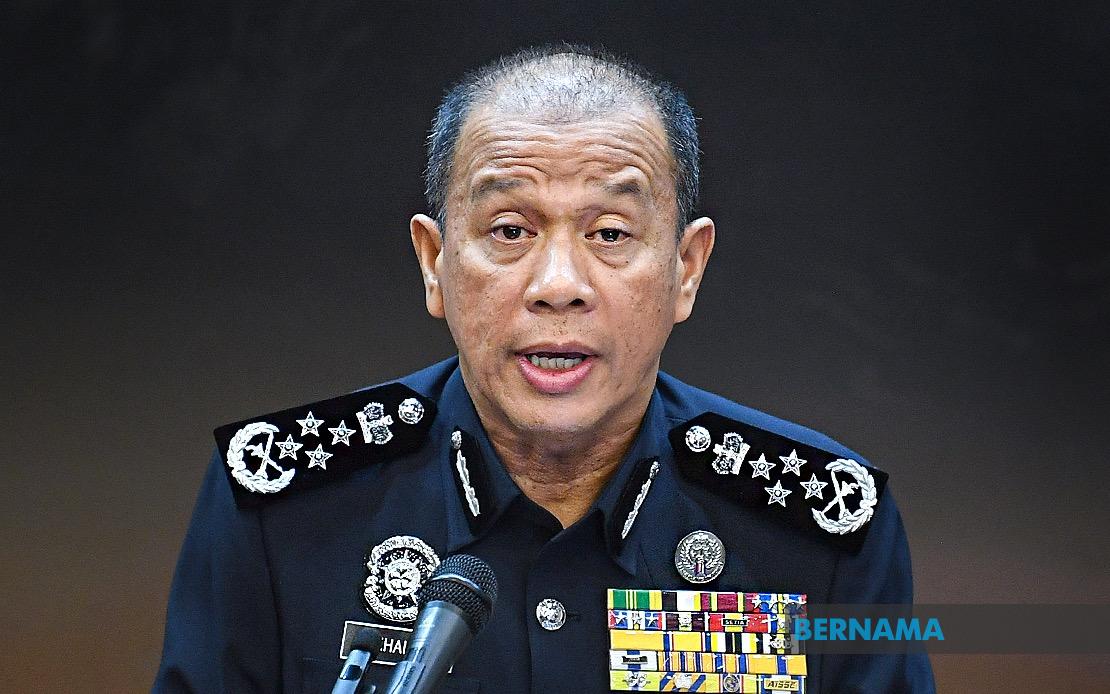
The Royal Malaysia Police has embraced the government's decision to overhaul its promotion mechanism for law enforcement and military personnel as a watershed moment for both institutions. Inspector-General of Police Tan Sri Mohd Khalid Ismail characterised the initiative as meaningful recognition of the sacrifices made by those tasked with maintaining public security and order across the nation. Speaking in Kuala Lumpur on Wednesday evening, he underscored that the move directly addresses longstanding concerns within the force and signals genuine governmental commitment to improving career pathways for rank-and-file officers and enlisted personnel.
Prime Minister Datuk Seri Anwar Ibrahim unveiled the broad contours of the reform during an address to military personnel at Terendak Camp earlier that day. He indicated that the government has given its in-principle approval to eliminate unnecessary bureaucratic steps and accelerate the promotion timeline for both the Malaysian Armed Forces and PDRM. The revised system will align more closely with the advancement procedures used across the wider civil service, introducing greater consistency and transparency into how officers progress through their careers. This harmonisation represents a significant departure from previous practice, where security forces often operated under distinct and sometimes cumbersome protocols.
The timing of this announcement carries particular significance in the Malaysian context. For years, personnel in uniform have expressed frustration over lengthy delays in promotion consideration and perceived inequities compared to civilian counterparts in government ministries and agencies. These grievances have occasionally surfaced in public forums and through police unions, reflecting a genuine source of institutional frustration. By addressing this issue now, the government demonstrates responsiveness to a persistent pain point that has affected morale, retention, and professional development within the security establishment.
Detailed specifications of the new promotion framework are slated for release during the Ambang Merdeka celebrations scheduled for August 30 at Stadium Merdela in Kuala Lumpur. This carefully timed announcement allows stakeholders time to absorb and respond to the broader concept before concrete mechanics are disclosed. The public rollout at a major national commemoration also elevates the symbolic weight of the initiative, positioning it as part of the government's wider agenda to strengthen institutional performance and public sector modernisation.
The IGP's statement reflected cautious optimism tempered by pragmatism. Mohd Khalid indicated that PDRM stands ready to engage fully with implementation efforts once the detailed framework becomes available. He acknowledged that career progression improvements have direct bearing on how officers approach their daily responsibilities, suggesting that personnel feeling valued and seeing genuine advancement opportunities will naturally invest greater energy into maintaining institutional integrity and delivering professional policing services. This observation speaks to a fundamental principle of human resource management: morale and performance are intimately connected.
For Malaysia's broader security apparatus, this development carries downstream implications. A streamlined promotion system could help retain experienced talent that might otherwise seek opportunities elsewhere or leave service prematurely due to stalled careers. The police force, in particular, faces ongoing challenges in attracting and retaining quality personnel amid competition from private sector opportunities and the demanding nature of public safety work. Enhanced career prospects represent a tangible incentive for capable individuals to commit long-term to law enforcement.
The alignment of PDRM and MAF promotion systems also promotes institutional cohesion. Both organisations frequently collaborate on matters of national security, counterterrorism, and emergency response. Synchronising career advancement frameworks could facilitate smoother inter-agency cooperation by reducing the perception of disparate treatment between uniformed services. It may also encourage lateral movement and knowledge-sharing between institutions, enriching the professional capabilities of both.
From a Southeast Asian perspective, Malaysia's approach to security force management reflects broader regional trends toward modernisation and institutional reform. Neighbouring countries have similarly undertaken efforts to professionalise their law enforcement and military personnel systems, recognising that sustainable national security depends not just on equipment and tactics but on attracting and retaining capable individuals who feel respected and professionally valued. Malaysia's initiative places it within this progressive currents, signalling commitment to twenty-first-century personnel practices.
The government's evident attention to this particular agenda item, as signalled through multiple high-level endorsements, also underscores recognition that public safety and national defence capabilities ultimately rest on the shoulders of uniformed personnel. Without motivated, professional, and committed officers and soldiers, even well-resourced institutions falter. By investing in career advancement mechanisms, the government simultaneously invests in the quality of policing and military services delivered to all Malaysians.

