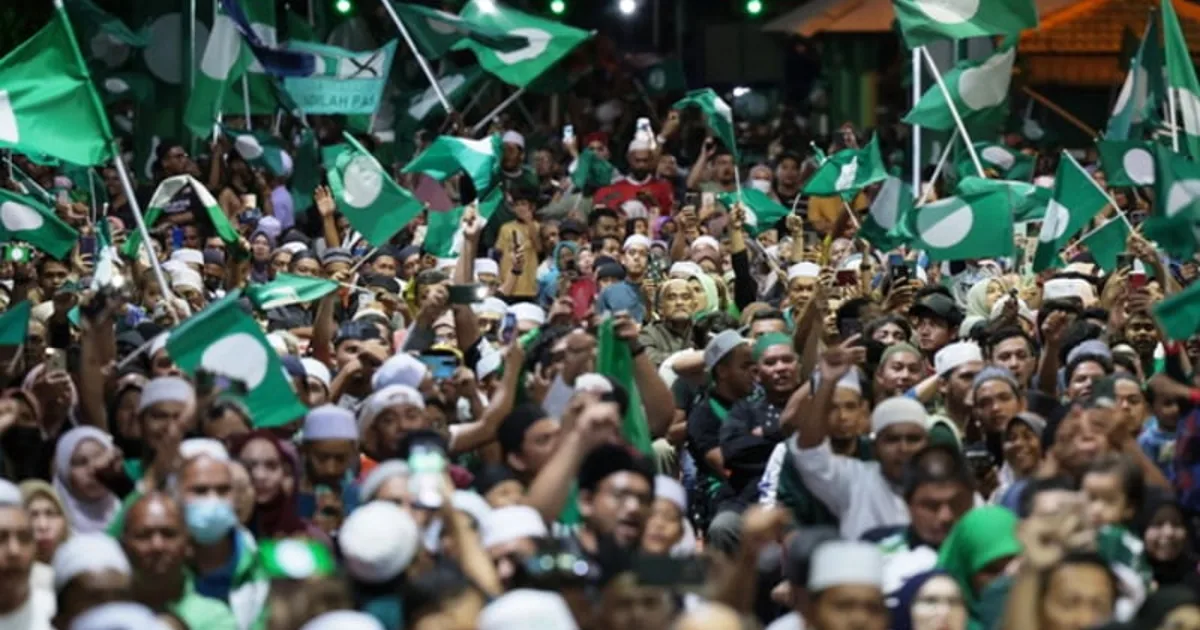
The Islamic party PAS has strategically repositioned its election machinery, withdrawing campaign resources and personnel from constituencies where its Perikatan Nasional coalition partner Bersatu is the primary contender. This tactical reallocation represents a coordinated approach within the broader opposition alliance, designed to optimize the distribution of campaign assets and avoid internal competition that could fragment the vote.
Under this arrangement, PAS will concentrate its organisational strength—including ground mobilisation, volunteer networks, and promotional activities—on constituencies where the party itself is fielding candidates or where other Perikatan Nasional component parties are competing. This represents a deliberate consolidation of electoral resources within the coalition, signalling a degree of internal discipline and strategic planning that broader observers of Malaysian politics have increasingly scrutinised.
The shift reflects a common challenge within multi-party coalitions: the need to balance internal party interests with collective electoral strength. By ceding campaign space in certain constituencies to Bersatu, PAS effectively acknowledges that a unified Perikatan Nasional performance depends on preventing wasteful duplication of effort. This approach mirrors strategies adopted by larger coalitions in previous election cycles, where component parties have negotiated seat allocations and support levels to maximise overall seat counts.
Bersatu, the smaller coalition partner led by former Prime Minister Muhyiddin Yassin, benefits considerably from this arrangement. The party has historically struggled to maintain extensive ground networks in all contested constituencies, relying partly on resources borrowed from larger coalition members. By receiving uncontested support from PAS machinery in its designated seats, Bersatu can focus limited organisational capacity on genuinely competitive contests.
For PAS, the calculation appears more complex. The party maintains substantial grassroots networks across Malaysia, particularly in rural areas and states where it holds traditional support bases. By concentrating these resources where PAS candidates are running, the party seeks to maximise its own seat gains rather than spreading effort thinly across constituencies where victory is unlikely regardless of campaign intensity. This concentration strategy could prove especially significant in marginal seats where PAS machinery might tip electoral outcomes.
The arrangement also carries implications for the broader Perikatan Nasional coalition positioning against the ruling Pakatan Harapan government. A coalition that presents unified, coordinated campaigns in select constituencies demonstrates organisational competence and disciplined leadership—qualities voters often reward. Conversely, internal friction or competing campaign efforts undermine coalition credibility and provide ammunition for rival parties portraying the opposition as disorganised.
Within the Malaysian political context, where coalition management has proven repeatedly challenging, this move suggests that Perikatan Nasional leadership has achieved sufficient consensus on electoral strategy to implement resource-sharing agreements. Such arrangements require trust between component parties that one will not sacrifice agreed commitments for short-term advantage—a calculation that reflects broader assessments of long-term coalition viability.
The reallocation also signals something about PAS's evolving role within Perikatan Nasional. Historically, the Islamic party has positioned itself as the coalition's electoral heavyweight, leveraging its extensive support base and organisational depth. By voluntarily stepping back from certain constituencies to enable Bersatu's participation, PAS demonstrates flexibility that could strengthen internal coalition relationships, potentially valuable as Perikatan Nasional navigates broader political consolidation efforts.
Observers of Malaysian electoral dynamics note that such arrangements typically emerge from detailed constituency-level analysis. Political strategists assess historical voting patterns, demographic composition, incumbent strength, and candidate quality to determine where each coalition component can best deploy resources. Seats allocated to Bersatu likely reflect assessments that the party holds genuine competitive advantages in specific areas, making PAS withdrawal a rational allocation rather than sacrifice.
The practical implications for voters in affected constituencies warrant consideration. Areas where PAS withdraws campaign presence may experience reduced exposure to the Islamic party's messaging and mobilisation efforts, potentially affecting voter engagement levels. Simultaneously, constituencies receiving concentrated PAS support should see intensified campaign activity, suggesting the party identifies these areas as winnable and strategically important.
Looking forward, this resource-sharing arrangement will likely persist throughout the campaign period unless internal coalition tensions force adjustments. Malaysian political history demonstrates that such agreements can hold when underlying coalition cohesion remains sound but fracture quickly when component parties perceive unequal benefit or betrayed commitments. Monitoring whether PAS maintains discipline in designated areas will provide early signals about coalition stability.
The broader significance extends beyond tactical electioneering. Successful internal coordination demonstrates that Perikatan Nasional, despite comprising diverse ideological components, can achieve sufficient consensus for unified action. This capability will prove essential should the coalition achieve significant electoral gains and need to manage coalition governance—an arena where Malaysian coalitions have historically struggled considerably.

