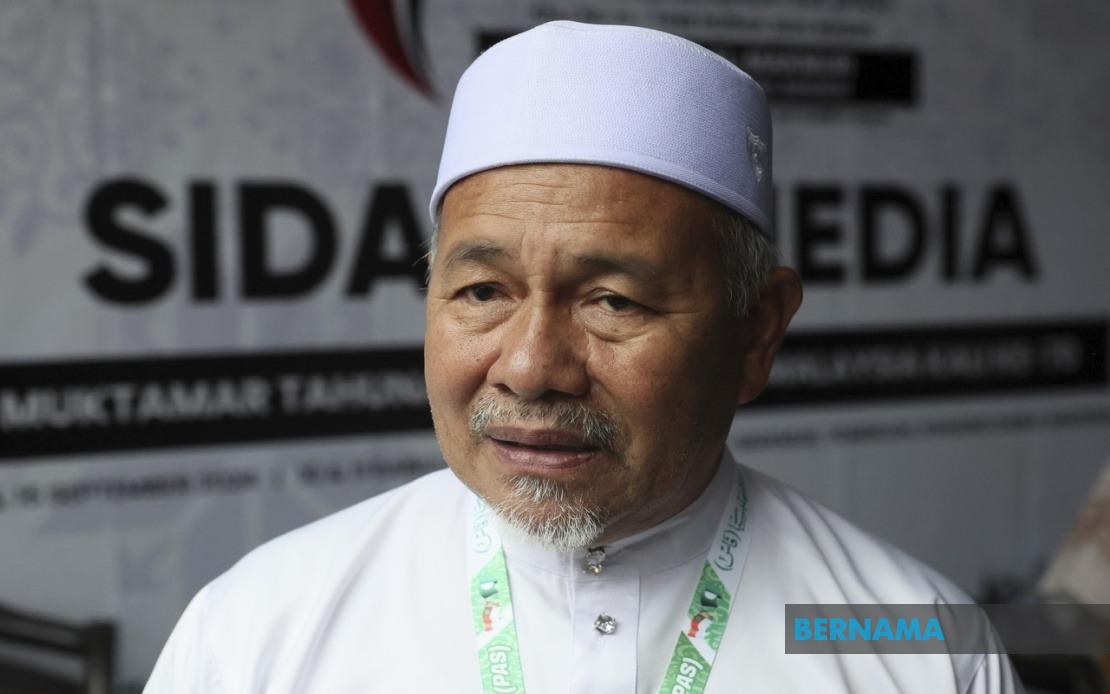
The political pressure to bring fugitive businessman Low Taek Jho, commonly referred to as Jho Low, before Malaysian courts intensified on Thursday when the country's second-largest political party made an emphatic call for his prosecution. PAS deputy president Datuk Seri Tuan Ibrahim Tuan Man contended that Malaysia possesses sufficient legal authority and standing to try the businessman independently, rejecting any notion that the nation should defer to international jurisdiction or decisions by foreign governments.
Speaking in Kota Bharu following his address to the Pasir Mas PAS division's annual general meeting, Tuan Ibrahim stressed that Malaysia remains the primary victim of Jho Low's alleged misdeeds. The businessman's actions fundamentally destabilised the country's economy and public finances through the 1Malaysia Development Berhad scandal, one of the world's largest financial frauds involving the misappropriation of billions in state funds. Given this direct impact on Malaysia's economy and national interests, Tuan Ibrahim asserted that the responsibility for bringing him to justice should rest with Malaysian courts rather than being delegated to other nations.
The PAS deputy leader's remarks carried particular significance given the backdrop of international speculation about a possible pardon. Reports from overseas media outlets suggested that Jho Low occupied a place among approximately 250 individuals under consideration for clemency by United States President Donald Trump as part of commemorations marking the 250th anniversary of American independence. Such reports naturally alarmed Malaysian stakeholders invested in seeing the businessman answer for his alleged crimes within the jurisdiction where the greatest harm was inflicted.
Tuan Ibrahim's statement aligned closely with positions already articulated by Prime Minister Datuk Seri Anwar Ibrahim, who had reaffirmed on Wednesday that Malaysia remained committed to pursuing legal action against Jho Low. The Prime Minister's remarks directly addressed anxieties about the potential for American intervention through presidential clemency to interfere with Malaysia's own prosecutorial efforts. This bipartisan emphasis from both government and opposition figures underscored the deep national consensus on the matter, transcending typical partisan divides on most other issues.
The 1MDB scandal remains among Malaysia's most consequential financial crimes in recent memory, with ramifications that continue to reverberate through public institutions and national policy. The fraud resulted in astronomical losses to state coffers and damaged Malaysia's international reputation and credit standing. Jho Low's central role in orchestrating the scheme made his continued evasion of accountability a persistent wound in national consciousness and a recurring reminder of the vulnerabilities that had enabled such massive theft to occur.
For Malaysian readers, the significance of PAS's intervention extends beyond routine political theatre. The party's insistence on Malaysian judicial sovereignty reflects a broader principle about the nation's right to prosecute crimes committed on its soil. While international cooperation and extradition treaties remain important frameworks, Tuan Ibrahim's argument centres on the primacy of national interest and the necessity for the most directly affected nation to retain prosecutorial responsibility rather than allowing other jurisdictions to dictate outcomes.
The extradition question looms particularly large in this context. Jho Low has managed to evade capture by remaining outside Malaysia's reach, with his exact whereabouts often unclear to authorities. Tuan Ibrahim explicitly called for accelerated government action to secure his extradition, recognising that legal proceedings cannot commence without the defendant's physical presence before Malaysian courts. This practical imperative underscores the complexity of pursuing transnational financial crime in an era when fugitives can evade national justice systems by exploiting geographic boundaries and shifting residences across jurisdictions.
The timing of renewed emphasis on prosecuting Jho Low also reflects strategic calculation within Malaysia's political landscape. The possibility of an American presidential pardon has injected urgency into calls for domestic action, effectively creating a race against time. Should Trump grant clemency, it would not necessarily prevent Malaysia from pursuing its own case, but it could complicate extradition requests and international cooperation mechanisms that Malaysian authorities rely upon to apprehend and prosecute the fugitive businessman.
From a Southeast Asian perspective, the Jho Low case represents a cautionary tale about the vulnerabilities of developing economies to international financial crime. His ability to move illicit funds across borders and maintain a network of enablers across multiple countries highlighted gaps in regional financial regulation and international coordination on combating sophisticated fraud schemes. Malaysian policymakers have subsequently implemented stricter oversight mechanisms and enhanced collaboration with regional partners, yet the continued absence of the central defendant from a courtroom serves as an uncomfortable reminder of these systemic challenges.
PAS's public posture also carries implications for how Malaysia frames its relationship with the United States on issues of law and sovereignty. By asserting that the country need not automatically align with American legal positions or defer to American decisions about individuals accused of crimes in Malaysia, party leaders articulated a vision of judicial independence that extends to international relations. This formulation suggests that while Malaysia values strategic partnerships, it will not permit foreign governments to dictate domestic legal outcomes through mechanisms like presidential pardons affecting individuals wanted for prosecution at home.
The call for expedited action on extradition reflects awareness that bureaucratic delays could work against Malaysia's interests, particularly if international circumstances shift unfavourably. Each passing month carries the risk that additional complications might arise—whether through legal manoeuvres by Jho Low's substantial defence team, changes in his residency status, or modifications to international agreements governing extradition procedures. By publicly pressuring authorities to accelerate the process, political figures like Tuan Ibrahim aim to concentrate government attention and resources on what they view as an urgent national priority.
For ordinary Malaysians, the continuing saga of Jho Low symbolises both the brazenness of high-level corruption and the frustrations attendant to pursuing justice across international borders. The businessman's apparent ability to evade accountability for years after the scandal became public has understandably generated public anger and demands for closure. Each fresh call from political leaders to bring him before Malaysian courts represents an attempt to channel that sentiment into concrete action, though the practical barriers to his apprehension and extradition remain formidable and likely to persist regardless of political will or public pressure.

