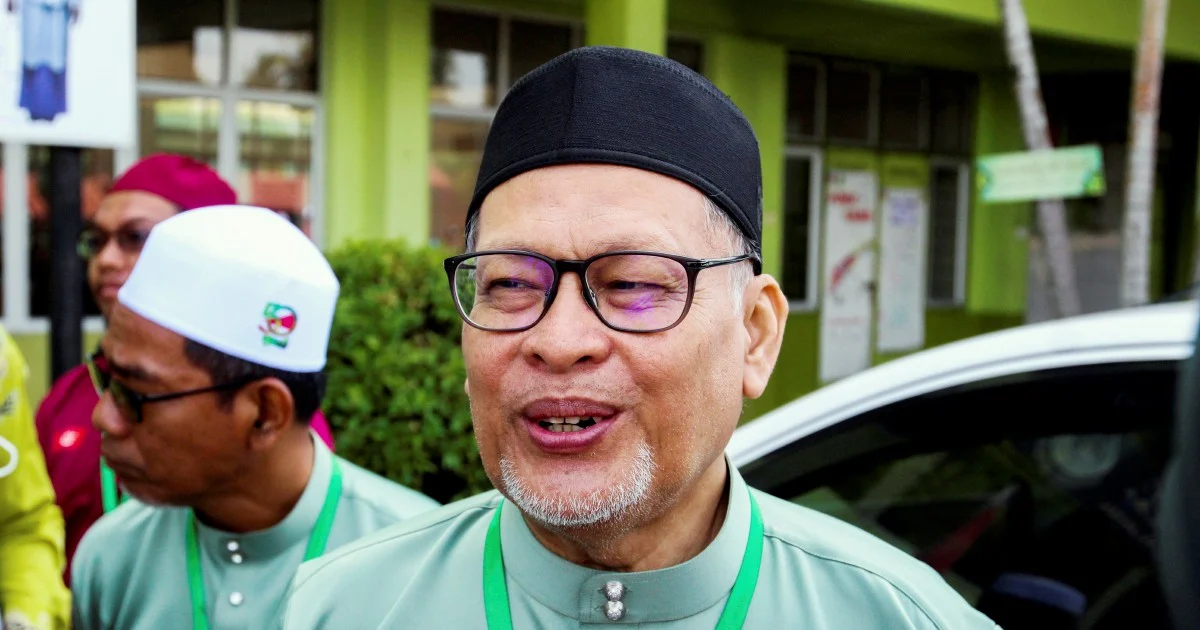
The Islamic Party of Malaysia (PAS) announced it would convene a significant gathering in Kota Baru this afternoon to address several pressing matters, most notably the status of a Bersatu executive councillor position within Kelantan's state administration. This development comes in the wake of PAS's decision to end its cooperative arrangement with Bersatu, signalling a potential shift in the political landscape of Malaysia's northeastern state.
The meeting represents a critical juncture for both parties involved in the arrangement. With PAS holding substantial influence in Kelantan's government following the 2022 general elections, the party's deliberations on this matter carry considerable weight in determining the future composition and political balance of the state executive council. The timing of this meeting underscores the urgency with which PAS leadership views the situation, particularly given the implications for governmental continuity and ministerial portfolios in the state.
Bersatu, the breakaway faction from UMNO that gained prominence during Muhyiddin Yassin's tenure as prime minister, had secured representation in various state governments through strategic political partnerships. The Kelantan arrangement exemplified these coalition-building efforts across Malaysia's disparate political landscape. However, the deteriorating relationship between PAS and Bersatu reflects broader tensions within Malaysia's Malay-Muslim political sphere, where competition for influence and resources remains intense despite superficial unity narratives.
The executive councillor position in question represents more than merely a symbolic placement—it carries administrative responsibilities, resource allocation authority, and political influence within state-level governance. Decisions regarding this role will likely affect not only individual career trajectories but also the distribution of government patronage networks that remain vital in Malaysian politics. PAS's internal deliberation process suggests party leaders are carefully weighing multiple considerations before making any final determination.
Kelantan's political configuration has shifted considerably over recent years, with PAS consolidating its traditional stronghold while navigating relationships with federal coalition partners. The state government's capacity to deliver development projects, provide civil service appointments, and allocate development funds hinges partly on maintaining stable executive council structures. Any vacancy or repositioning resulting from the Bersatu cooperation breakdown could create opportunities for PAS to strengthen its internal party appointments or accommodate other allied factions seeking greater state-level representation.
The backdrop to this meeting involves broader Malaysian political dynamics where coalitions remain fragile and subject to recalibration based on electoral calculations and factional considerations. Bersatu's participation in state governments has been variable, reflecting its fluctuating position within federal politics. The party's inability to maintain cooperative arrangements in various states suggests challenges in sustaining long-term political partnerships outside its core support base.
For Kelantan residents and observers of peninsular politics, the meeting's outcome may influence resource deployment, administrative efficiency, and the government's capacity to execute its stated development agenda. Executive councillors oversee critical portfolios including education, agriculture, infrastructure, and local development—areas where state governments directly impact public welfare. The transition period following any changes to executive council composition could introduce administrative uncertainties that affect service delivery.
PAS's decision to end cooperation with Bersatu likely reflects deeper strategic calculations about the party's future positioning. Rather than viewing the Bersatu relationship as mutually beneficial, PAS leadership apparently determined that maintaining the partnership imposed constraints outweighing its advantages. This reassessment may stem from diverging policy priorities, competition for voter support among conservative Muslim constituencies, or broader disagreement over national political direction.
The meeting also holds significance for understanding PAS's governance philosophy. As Malaysia's largest Islamist party and the ruling force in Kelantan for multiple decades, PAS maintains considerable institutional experience in state administration. The party's willingness to revisit executive council arrangements demonstrates its engagement with practical governance concerns rather than purely ideological positioning—a reality often overlooked in superficial analyses of PAS's political role.
Bersatu's departure from the Kelantan executive council, should it materialise from this meeting, would further compress the party's footprint in state governments across Malaysia. Bersatu currently navigates a precarious position within national politics, having lost the prime ministerial office and facing erosion of its parliamentary numbers. State-level representation remains valuable for party maintenance and patronage distribution, making any loss of executive council positions strategically damaging.
The resolution reached in Kota Baru today will likely trigger cascading effects within Kelantan's political ecosystem. If PAS absorbs the vacated position or allocates it to another allied faction, institutional relationships, budgetary priorities, and administrative structures may shift accordingly. For Malaysian political observers, the meeting exemplifies the constant recalibration of coalition arrangements that characterises the country's decentralised power structures.
Moving forward, this episode underscores the temporary nature of Malaysian political alliances and the primacy of pragmatic considerations over ideological affinity. Both PAS and Bersatu will need to navigate the consequences of their cooperation breakdown while maintaining broader coalition relationships essential for governance at federal and state levels. The meeting's outcomes will provide insight into PAS's strategic priorities and its vision for Kelantan's political future as the state approaches future electoral cycles.