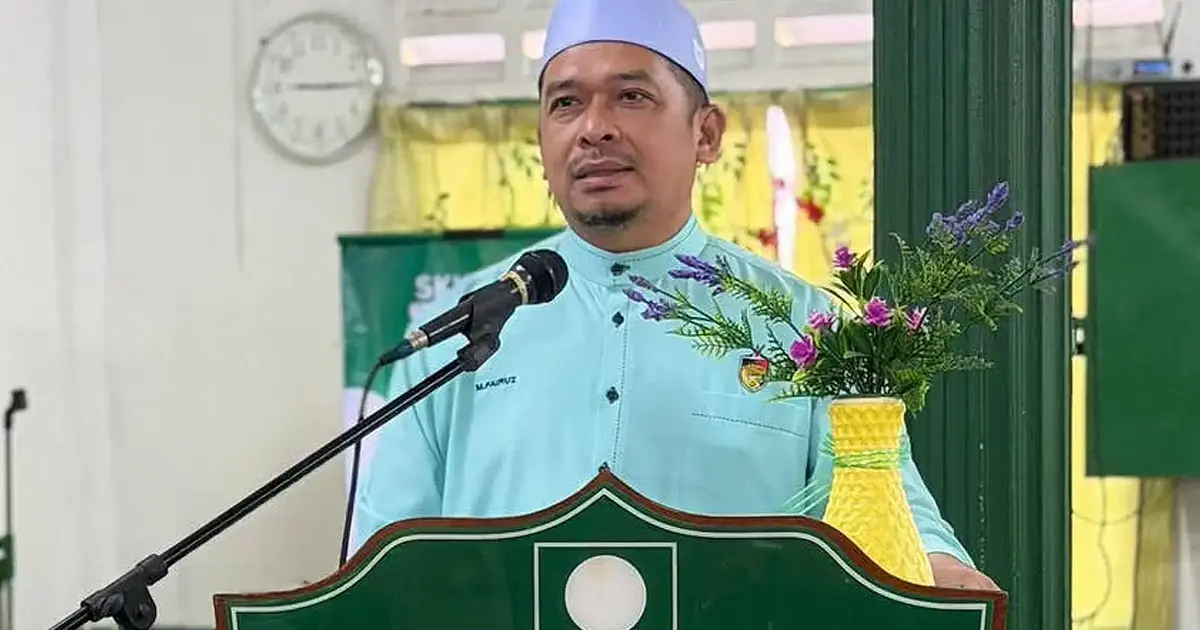
The Islamic party PAS has signalled a fresh assault on opposition territory in Negeri Sembilan, with state leadership openly declaring intentions to capture constituencies currently represented by DAP. State PAS chief Fairuz Isa disclosed the party's electoral strategy, revealing a targeted approach aimed at constituencies where Malay voters constitute a significant voting bloc of approximately 40% or higher.
This strategic pivot marks a notable shift in the political landscape of Negeri Sembilan, where DAP has traditionally maintained influence in several seats. The decision to contest these areas reflects PAS's broader ambition to expand its footprint beyond traditional strongholds and consolidate support in constituencies where demographic composition might favour the party's messaging. By identifying seats with substantial Malay populations, PAS appears to be leveraging both religious-based appeals and community-specific policy platforms.
The timing of this announcement carries implications for Malaysian electoral politics more broadly. Negeri Sembilan has emerged as a bellwether state where coalition dynamics between Pakatan Harapan and Perikatan Nasional have shifted considerably in recent years. The state government currently operates under a complex political arrangement, making any electoral recalibration potentially consequential for Malaysia's overall power balance at the national level.
DAP's traditional dominance in certain Negeri Sembilan constituencies has been underpinned by urban, Chinese-majority, and mixed communities that have historically favoured the party's secular governance platform and economic policies. However, demographic trends and shifting voter sentiment have created openings for alternative parties. PAS's strategy of targeting seats with elevated Malay voter percentages suggests the party believes it can peel away Malay support from DAP's coalition partners or convert voters who have become disenchanted with the ruling administration.
For regional observers, this development underscores the intensifying three-way competition in Malaysian politics. Rather than operating as a simple government-versus-opposition binary, the electoral landscape increasingly features PKR, Amanah, and PAS competing for overlapping voter constituencies. PAS's explicit focus on Malay-majority portions of DAP seats reflects sophisticated demographic analysis and a recognition that support bases are not monolithic. Even within constituencies where DAP performs strongly overall, there may exist pockets of Malay voters amenable to Islamic party messaging.
The Malaysian electoral context has grown increasingly volatile following successive national elections that reshuffled traditional alignments. The 2022 general election demonstrated that no party can assume voter loyalty, and state-level contests present opportunities for parties to test new strategies and repositioning efforts. Negeri Sembilan, being neither as large as Selangor nor as politically volatile as Johor, provides a manageable theatre for such experimentation.
PAS's targeting of specific demographic segments within constituencies suggests the party is moving beyond blanket appeals toward granular voter engagement. This approach mirrors global political trends where parties invest heavily in data analytics and constituency-level microtargeting. The announcement by Fairuz Isa therefore indicates PAS possesses detailed electoral mapping and has conducted extensive analysis of voter composition across Negeri Sembilan constituencies.
The financial implications of such a strategy deserve attention. Contesting DAP strongholds requires substantial resources for campaign machinery, grassroots organisation, and candidate recruitment. PAS's confidence in pursuing these seats suggests the party believes it possesses adequate organisational capacity and financial resources to mount credible challenges. The party's significant presence in Kelantan and Terengganu provides both experienced cadres and fundraising networks that can be mobilised for state-level campaigns elsewhere.
For DAP, this development presents both challenge and opportunity. The party's traditional strength has relied partly on organisational depth in certain constituencies, but explicit attempts to dislodge DAP from Malay-populated segments of these seats will require renewed engagement with Malay voters. DAP has periodically attempted outreach to Malay communities, emphasising secular governance, economic opportunity, and inclusive development, but such messaging often struggles against parties with stronger Islamic credentials or deeper communal networks.
The broader ramifications extend to coalition stability within Pakatan Harapan. Should PAS successfully capture seats from DAP or Amanah, it could reshape the balance of power within Malaysia's opposition bloc and potentially strengthen Perikatan Nasional's hand in national negotiations. Conversely, if DAP successfully defends its positions or even gains ground, it validates the Pakatan coalition's viability and reinforces confidence in secular-progressive governance approaches among Malaysian voters.
The coming electoral contest in Negeri Sembilan will therefore merit close scrutiny from political analysts and national observers. PAS's explicit strategy reveals sophisticated understanding of electoral mathematics and demographic realities. The outcome will offer valuable insights into voter preferences regarding Islamic versus secular governance, coalition effectiveness, and the durability of Malaysia's evolving party system.

