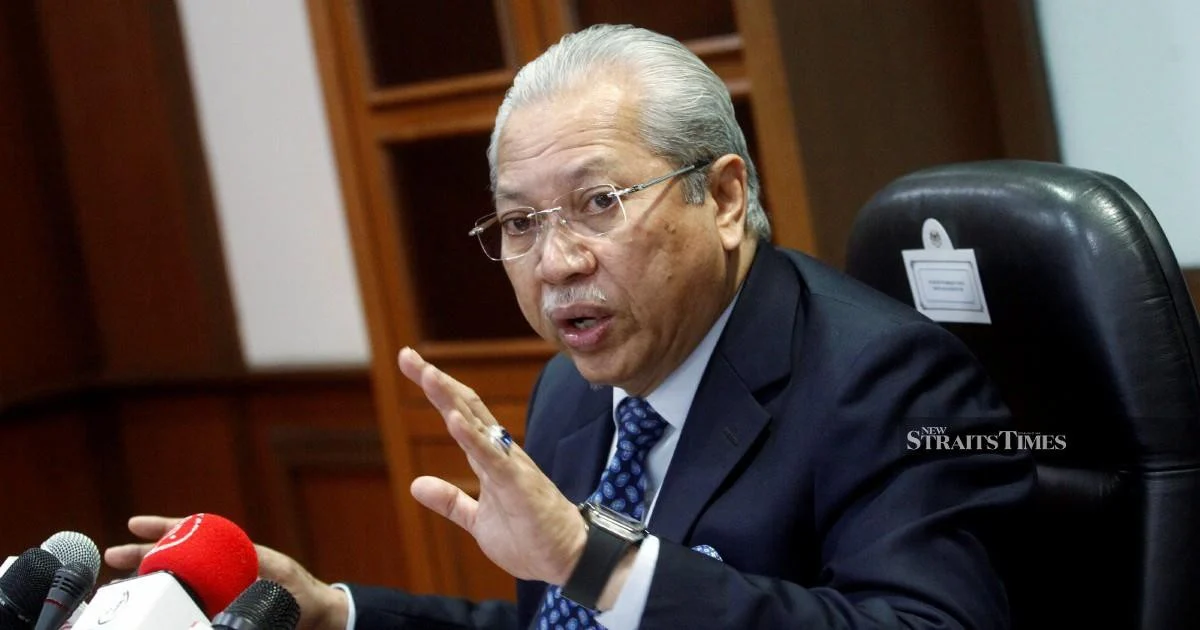
PAS has publicly refuted suggestions that it has mounted efforts to push Bersatu out of Perikatan Nasional, even as observers have noted growing friction between the two political parties that form a crucial pillar of the ruling coalition. The statement, made in Kota Baru, underscores the Islamic party's attempt to manage perceptions of internal discord within the PN framework at a time when coalition stability remains under scrutiny across Malaysia's political landscape.
The denial carries particular significance given that Perikatan Nasional emerged as the dominant coalition force following the 2022 elections, reshaping the country's political architecture. PAS and Bersatu, along with smaller partners, have anchored this arrangement, yet their relationship has exhibited visible strain over policy direction, power-sharing arrangements, and resource allocation within the coalition government. The public clarification suggests that PAS leadership recognizes the damage potential of internal disputes and seeks to arrest concerns about coalition cohesion before they undermine the broader PN framework.
Relations between PAS and Bersatu have been strained by disagreements over several key governance issues. The two parties have presented differing visions on religious policy implementation, with PAS advocating for stronger Islamic governance measures while Bersatu has pursued a more moderate approach aimed at maintaining broad-based support. Additionally, tensions over federal-state resource distribution and representation in key government positions have created palpable friction between what should be complementary coalition partners.
The timing of PAS's statement reflects broader anxieties within political circles about the durability of the current power arrangement. Malaysia's coalition politics have historically been fragile, with realignments occurring when smaller partners perceive diminishing returns from their partnership. Bersatu, despite its significance as the vehicle that brought former Prime Minister Mahathir Mohamad into prominence and subsequently positioned current leadership structures, has faced mounting pressure from both internal party dynamics and external political challenges.
For Malaysian readers, the implications of this internal coalition tension extend beyond factional maneuvering. The stability of the federal government depends significantly on maintaining PN's internal architecture, and ruptures within this framework could trigger constitutional complications or fresh elections. When coalition partners begin publicly addressing accusations about attempting to marginalize each other, it typically signals that damage control efforts have become necessary, indicating underlying disputes that cannot be entirely managed behind closed doors.
PAS's explicit denial carries legal and strategic weight. By formally rejecting the notion that it has orchestrated any campaign against Bersatu, the party insulates itself from accusations of bad faith conduct while simultaneously signaling to Bersatu that backroom negotiations may offer better prospects than public recriminations. This rhetorical maneuver allows both parties to claim commitment to coalition unity while continuing to pursue divergent policy objectives within government.
The broader context reveals that Malaysian coalition politics operate within an environment of perpetual tension between competing interests and ideologies. PAS brings Islamic credentials and grassroots mobilization capacity, while Bersatu represents a more diverse, urban-oriented constituency. These fundamental differences in political orientation and supporter demographics create inherent friction that cannot be entirely resolved through high-level assurances. Instead, coalition partners must continuously negotiate the boundaries of acceptable difference while maintaining sufficient unity to govern effectively.
Bersatu's position within PN requires careful management, particularly given the party's evolution from a breakaway faction to a coalition pillar. The party has struggled to carve out independent political space while remaining dependent on PN partnership for continued ministerial representation and political viability. This structural vulnerability may explain why accusations about PAS pushing for Bersatu's removal carry particular sting for the party's leadership, making any denial from PAS significant for coalition relations.
Regionally, Malaysia's coalition dynamics offer lessons relevant to other Southeast Asian democracies grappling with similar multi-party governance arrangements. The question of how ideologically diverse parties can maintain effective alliances while preserving constituent-specific commitments remains perpetually challenging. Malaysia's experience suggests that explicit denials of destructive intent, while rhetorically important, often mask ongoing strategic competition for resources and influence within shared governance frameworks.
Moving forward, observers of Malaysian politics should monitor not only what PAS and Bersatu say publicly, but also the concrete outcomes of their governance partnerships. True commitment to coalition unity typically manifests through tangible compromises on policy implementation and genuine power-sharing in cabinet and statutory bodies. Continued tensions over resource allocation, ministerial portfolios, and policy direction will indicate whether PAS's denial represents genuine coalition commitment or merely a rhetorical holding action pending further political realignment.
The trajectory of PAS-Bersatu relations will likely prove instructive for understanding the longevity of the broader Perikatan Nasional arrangement. Should these two parties successfully navigate their differences through sustained dialogue and genuine accommodation, it would strengthen the entire coalition's prospects for stability and effective governance. Conversely, if tensions continue to escalate despite public denials, it may foreshadow more substantial realignments within Malaysia's political architecture in coming years.

