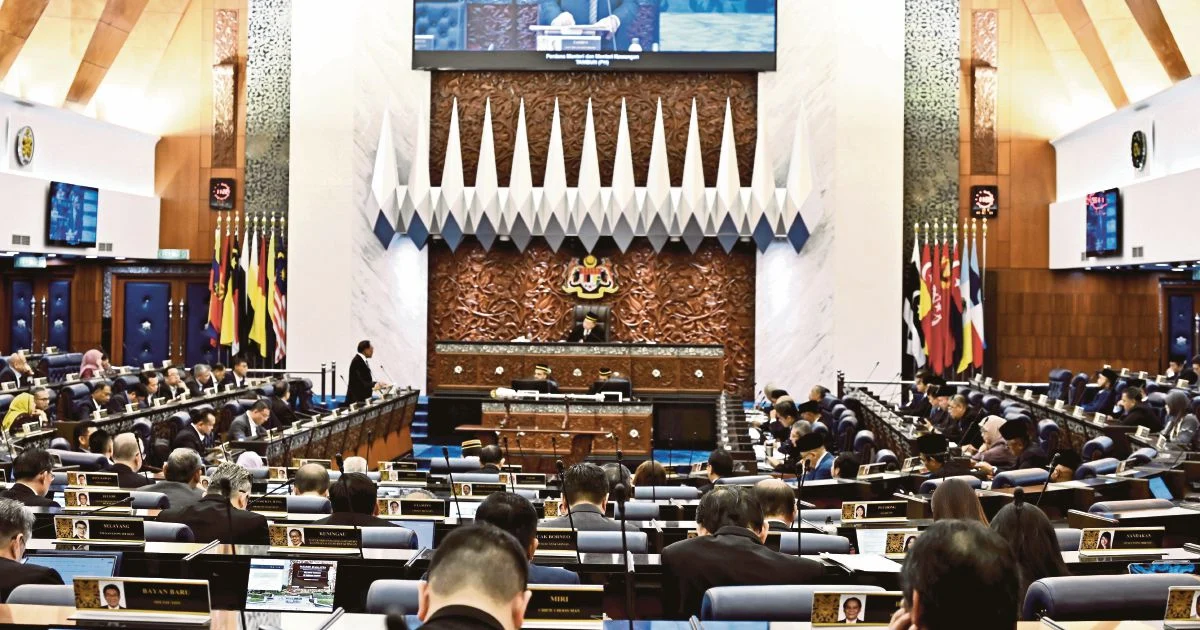
The Dewan Rakyat descended into acrimonious exchanges within the first hour of today's parliamentary session, as a procedural disagreement surrounding the opposition leader's status quickly spiralled into broader recriminations between coalition partners and opposition ranks. The confrontation between PAS lawmaker Takiyuddin Hassan and a government-aligned MP laid bare simmering tensions over how the ruling coalition treats its smaller component parties, particularly Bersatu, which has long occupied an uncomfortable position within Perikatan Nasional despite its role in toppling the Pakatan Harapan government in 2020.
The clash centred on a dispute concerning the formal recognition and parliamentary standing of the opposition leader, a matter that seems relatively technical but carries significant symbolic weight in Malaysia's highly fractionalised political landscape. Such procedural disagreements, when they occur in the Dewan Rakyat, frequently serve as a theatre for airing deeper grievances and demonstrating party muscle to both supporters and potential defectors within the fluid Malaysian parliament. For observers tracking coalition dynamics, the escalation from what should have been routine parliamentary business into heated personal exchanges signals deeper unhappiness brewing beneath the surface.
Takiyuddin's intervention directly addressed what he framed as systematic marginalisation of Bersatu within the coalition structure, deploying rhetoric that shifted the conversation from the specific procedural question to the broader health of Malaysia's governing alliance. This rhetorical manoeuvre reflects a strategy increasingly common among smaller coalition partners: using parliamentary platforms to air grievances publicly when internal mechanisms prove insufficient or unwilling to address concerns. The PAS politician's willingness to provoke confrontation suggests either confidence in his party's political position or frustration that has finally boiled over into public expression.
Bersatu's precarious coalition standing has long been a source of instability within Perikatan Nasional. Originally positioned as a Bumiputera-focused party founded by former Prime Minister Mahathir Mohamad and his allies, Bersatu entered Perikatan as an essential coalition partner but has repeatedly found itself relegated to secondary status, particularly as UMNO has reasserted its dominance. The party's relatively small parliamentary representation—it commands only a handful of seats compared to UMNO's commanding numbers and PAS's growing strength—leaves it vulnerable to pressure and side-lining within coalition decision-making structures. Allegations of bullying, whether substantively accurate or rhetorically deployed, touch on a real tension in how Malaysia's coalition politics distributes power and influence.
The government MP's response underscores how defensive coalition members have become about internal criticism aired publicly. In Malaysia's current political environment, where coalition partners are acutely aware that public displays of discord can trigger speculation about defections and realignment, there is significant pressure to present unified fronts even when serious disagreements exist. The willingness of a government MP to engage in heated exchanges rather than seek to de-escalate suggests either that the criticism cut particularly deep or that the government believes it benefits from appearing to stand firm against opposition charges.
PAS's own position within the coalition has shifted markedly over recent years. Once positioned as the junior partner to UMNO in Perikatan, PAS has substantially expanded its parliamentary presence and now commands considerable influence over coalition dynamics. The party's increasing assertiveness—as evidenced by Takiyuddin's parliamentary intervention—reflects this enhanced leverage. However, this shift has created new tensions, particularly with Bersatu, which perceives itself as increasingly squeezed between UMNO's institutional dominance and PAS's growing numerical and ideological weight within the coalition.
For Malaysian observers concerned with parliamentary stability and coalition coherence, such public confrontations carry real implications. They serve as early warning signals that internal coalition processes may not be functioning adequately to manage disagreements, forcing disputes into the more confrontational arena of parliament itself. The question of how the opposition leader is formally recognised and treated carries consequences beyond mere procedure—it affects parliamentary dynamics, the balance of speaking rights, and ultimately the ability of the opposition to function as an effective check on executive power. When coalition partners cannot agree on such matters without heated exchanges, it raises questions about the coalition's ability to manage more substantial policy disagreements.
The timing of this exchange, occurring within the first hour of a new parliamentary sitting, also warrants attention. Fresh parliamentary sessions often feature ceremonial business and procedural matters, suggesting that tensions were either particularly acute today or that at least one party strategically chose to escalate matters early in the proceeding. Such tactical choices reflect underlying calculations about parliamentary leverage and positioning. Whether this outbreak represents a temporary flare or signals a period of heightened coalition instability remains unclear, but the willingness of government and opposition actors to engage in personal confrontation rather than procedural compromise suggests that the current coalition arrangement continues to operate under significant strain.
The broader significance of such parliamentary theatrics should not be underestimated in Malaysia's current political context. With relatively narrow government majorities and significant numbers of independent MPs, any erosion of coalition discipline or clarity about coalition relationships potentially affects the government's ability to navigate legislative challenges. The exchange between Takiyuddin and the government MP thus serves as a reminder that beneath the surface consensus that allows the current government to command a parliamentary majority, considerable tensions persist about resource allocation, respect, and voice within Malaysia's governing arrangements. These underlying frictions, when periodically erupting into public view as they did today, keep the parliamentary situation fluid and unpredictable.

