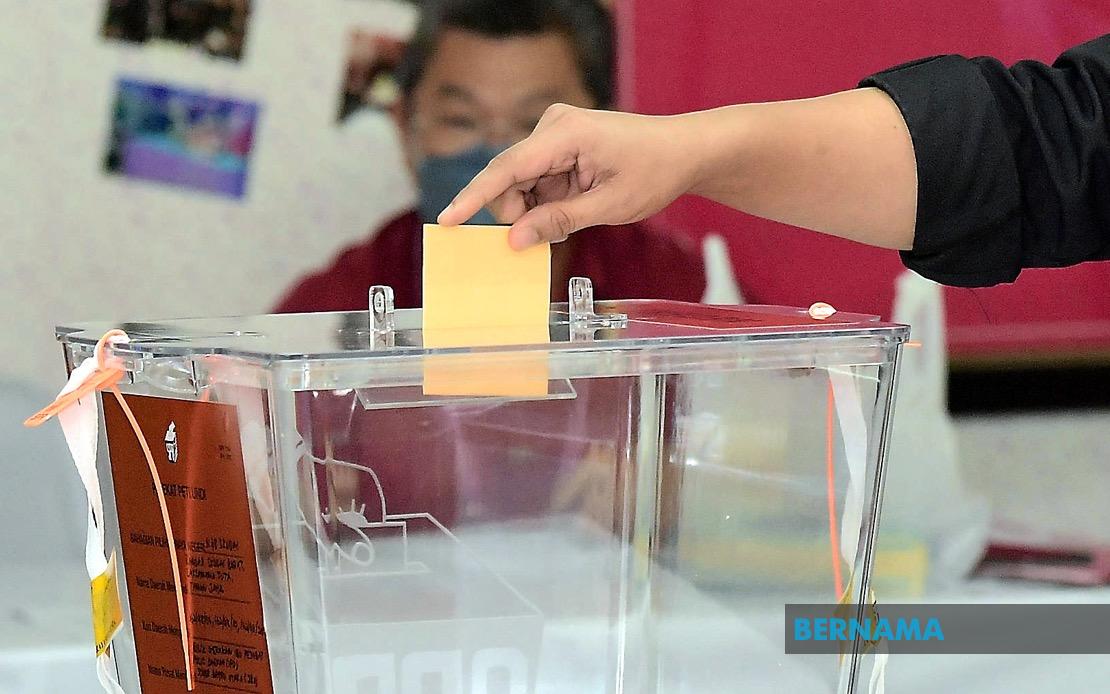
The Johor state election has produced a decisive outcome that reshapes the political landscape heading into Malaysia's next general election cycle. Barisan Nasional's commanding performance, securing 29 of 56 state seats, has firmly established its control over the state government under Menteri Besar Datuk Onn Hafiz Ghazi. The result carries particular significance for Malaysian politics given Johor's historical importance as an economic powerhouse and bellwether state.
PAS, which contested as part of the Perikatan Nasional coalition, has chosen to frame its performance through a lens of democratic acceptance rather than disappointment. Johor PAS commissioner Datuk Dr Mahfodz Mohamed issued a statement recognizing the electoral verdict as a legitimate expression of voter preference, a measured response that reflects the party's positioning within the broader coalition framework. His congratulations to Barisan Nasional suggested a pragmatic acknowledgement that the election results have settled the matter of state governance decisively.
The PAS narrative emphasises continuity and forward momentum rather than dwelling on electoral setbacks. The party leadership indicated that Perikatan Nasional intends to maintain its organisational coherence and ideological focus on issues affecting Muslim communities and Bumiputera interests, treating the Johor outcome as a temporary reversal rather than a fundamental challenge to its political viability. This framing is strategically important as PAS prepares for the 16th General Election, where the party hopes to demonstrate resilience and broaden its appeal beyond its traditional base.
In contrast, Bersatu's response suggests deeper internal reflection is underway. Secretary-general Datuk Seri Mohamed Azmin Ali committed the party to a comprehensive review of how it performed in Johor, signalling that the coalition partner intends to identify specific weaknesses and recalibrate its strategic approach. This deliberative process indicates Bersatu recognises the need for tactical adjustments, whether in candidate selection, messaging, or campaign methodology. The party's willingness to conduct detailed analysis reflects its position as a coalition player seeking to prove its continued relevance in Malaysian politics.
The most sobering assessment came from Parti Bersama Malaysia, the fledgling political force led by Datuk Seri Rafizi Ramli. Every single one of Bersama's 15 candidates forfeited their election deposits, a particularly harsh verdict that reflects the difficulty new parties face in establishing traction with voters. The complete failure to retain candidate deposits indicates that Bersama's messaging and organisational infrastructure fell short of expectations across all its contested divisions. This represents a significant baptism by fire for a party that is only 52 days old, highlighting the immense challenge of building political machinery and voter loyalty from scratch in the modern Malaysian electoral environment.
Rafizi's public response to the defeat reveals an attempt to extract value from the experience despite the numerical devastation. He characterised the intensive campaign as a learning opportunity that would strengthen Bersama's organisational capacity going forward. The statement acknowledges the gap between the party's policy ambitions and its current ability to mobilise voter support, yet frames this as a temporary setback rather than an existential crisis. Whether this optimism proves justified will depend on Bersama's ability to retain membership enthusiasm and attract additional talent as it prepares for future contests.
The broader context of the Johor result reflects significant voter preference for stability and established governance structures. Barisan Nasional's majority represents a return to traditional voting patterns that had been disrupted in previous electoral cycles. Pakatan Harapan's minimal success with only two seats suggests that the coalition has not recovered its organisational position in Johor following earlier reversals. Meanwhile, the complete shutout of other competing forces demonstrates the structural advantage enjoyed by established coalition frameworks in resource allocation, candidate vetting, and voter mobilisation capabilities.
For Malaysian politics more broadly, the Johor election underscores the centrality of state-level contests in shaping the momentum heading toward the 16th General Election. Johor's economic significance and demographic diversity make it a crucial testing ground for different political messages and campaign strategies. The decisiveness of Barisan Nasional's victory provides the incumbent coalition with enhanced credibility and organisational momentum, while simultaneously raising questions about whether opposition alliances can effectively challenge the governing coalition's structural advantages in specific contexts.
The timing of the election has strategic implications for the broader political calendar. With the general election potentially occurring within the next 18 months, parties are using this Johor result to assess which approaches resonate with voters and which require substantial revision. The reactions from PAS, Bersatu, and Bersama reveal different interpretations of what the election outcome signifies: whether it represents a durable shift in voter sentiment or a temporary fluctuation that can be corrected through tactical adjustments.
The peninsula's political dynamics continue to revolve around the Perikatan Nasional coalition's viability as a counterweight to Barisan Nasional, particularly given PAS's significant presence in certain states. The Johor result does not definitively settle this question but does suggest that Barisan Nasional retains substantial advantages when contesting on the basis of economic management and administrative continuity. For Southeast Asian observers, Malaysia's fluid political environment continues to demonstrate how electoral volatility and coalition realignments can reshape governance structures within democratic frameworks.
Looking ahead, the coming months will determine whether the lessons drawn from Johor by losing parties translate into meaningful strategic reforms or remain largely rhetorical. Bersatu's review process and Bersama's restructuring efforts will serve as indicators of whether these political forces can credibly challenge the dominant coalition in future contests, particularly in less developed regions where established governance narratives carry less weight. The state-level contest has provided valuable market research data that political parties will undoubtedly deploy in their preparations for the general election showdown.

