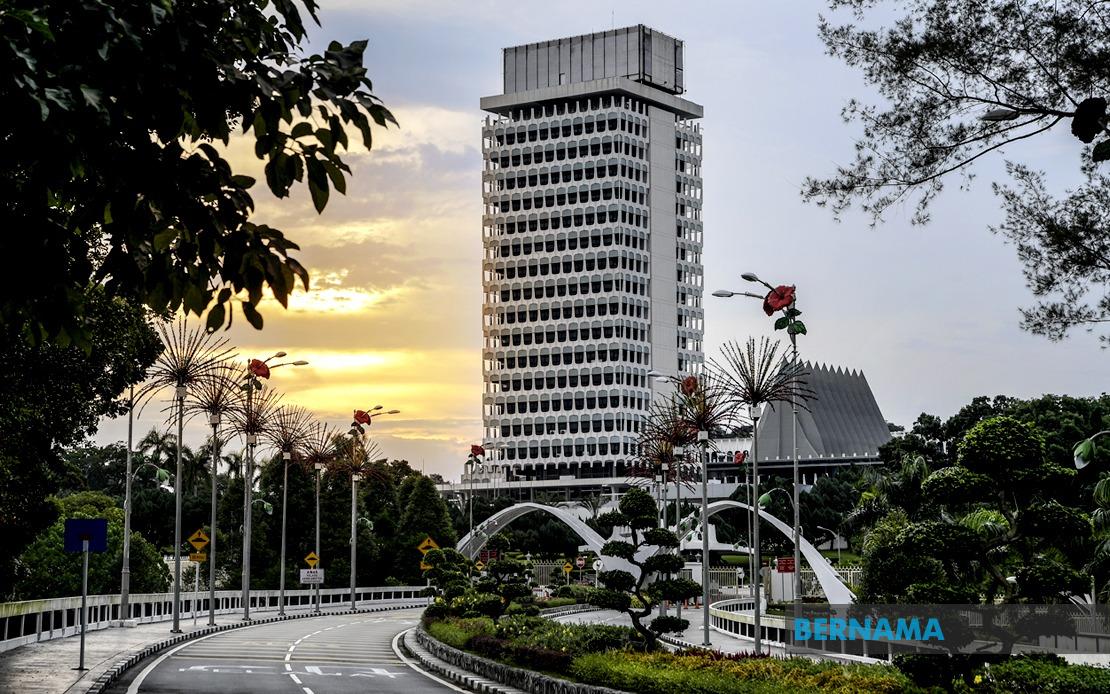
Parliament resumed focus today on three pressing domestic challenges: protecting health insurance consumers from unfair claim denials, ensuring Malaysians accumulate sufficient retirement savings as the country ages, and strengthening athletic talent pipelines in volleyball. The breadth of issues signals mounting parliamentary concern about citizen welfare across financial security, social protection, and youth development—domains where Malaysia's ageing demographic and economic uncertainties have created fresh urgency.
Tan Kok Wai, the Cheras representative from Pakatan Harapan, will push the Finance Minister to detail governmental steps reinforcing insurance regulations specifically for critical illness and cancer coverage. His questioning targets a persistent grievance among policyholders: insurers cancelling policies retroactively or rejecting claims on technical grounds that consumers dispute as discriminatory. Enhanced transparency in claims processing and accessible dispute mechanisms remain underdeveloped in Malaysia's regulatory framework, leaving vulnerable patients exposed during medical crises. The Finance Ministry's response will reveal whether the government intends substantive regulatory overhaul or incremental refinements to existing protections.
Equally significant is Datuk Seri Aminuddin Harun's inquiry regarding retirement adequacy among EPF members. Malaysia's Employee Provident Fund, the mandatory retirement savings vehicle for private-sector workers, faces structural challenges as cost-of-living inflation erodes the purchasing power of accumulated balances. The Selangor-based Port Dickson representative is specifically raising alarm about whether contributions—currently set at 24 percent of salary combined across employer and employee—will suffice for dignified post-work life, particularly given projections that Malaysia will formally qualify as an ageing society by 2030 when seniors exceed 15 percent of the population. This parliamentary question reflects deeper anxiety about whether existing pension systems remain adequate, a concern echoed across Southeast Asia as economic growth fails to outpace healthcare and living cost inflation for retirees.
Volleyball development emerges as a secondary but legitimate parliamentary concern through Zakri Hassan's question to the Youth and Sports Minister. Indoor and beach volleyball represent accessible competitive sports for Malaysian youth, yet systematic talent identification remains inconsistent compared to football, badminton, and athletics. Hassan's inquiry signals that Parliament expects coordinated national programmes to nurture athletes from grassroots to elite levels, preventing talent wastage and building international competitiveness. The response will clarify whether the ministry possesses adequate funding and trained scouts to identify promising young players before rival nations poach them.
Rural digital infrastructure and entrepreneurial capacity also command attention, as Hassan Saad questions the Communications Minister on the National Information Dissemination Centres' efficacy in closing economic gaps. Despite decades of rural development policy, internet accessibility, digital literacy, and online marketing capabilities remain significantly inferior in provincial areas compared to urban centres. NADI facilities are intended to bridge this divide, yet their impact on small business revenue and community income appears inconsistent. Saad's question implies that investment in physical infrastructure alone proves insufficient without complementary skills development and market linkage support.
The Mobile eCOSS application, launched in May 2025 to combat smuggling and diversion of subsidised cooking oil, will also face parliamentary scrutiny regarding its effectiveness. Cooking oil subsidies constitute a major recurrent government expenditure, yet leakage through black-market sales and neighbouring countries undermines programme integrity and budgetary efficiency. The application's real-world performance metrics—whether it actually reduces diversion, how users and traders experience it, and whether compliance rates justify operational costs—remain unclear to legislators and should become transparent.
Additionally, the government will report on financing schemes supporting micro, small, and medium enterprises, a sector employing millions of Malaysians yet chronically undercapitalised. Access to affordable credit, patient capital from development banks, and technical assistance remain unevenly distributed across regions and demographics. Parliament's questioning signals expectation that policies deliver measurable improvement in MSME sustainability and growth, not merely programme launch rhetoric.
Parliament will also receive a briefing from the Health Select Committee on reform of Malaysia's organ donation and transplant system, an area where regulatory clarity and public trust remain problematic. Strengthening transparency, donor protection, and equitable organ allocation mechanisms directly impacts public participation in voluntary donation programmes.
Substantially, the sitting will advance the Competition (Amendment) Bill 2026 and Competition Commission (Amendment) Bill 2026 through parliamentary stages. These bills reshape Malaysia's competition law framework, affecting how authorities investigate anti-competitive conduct, merge review procedures, and impose remedies. Businesses, particularly in telecommunications, energy, and financial services, closely monitor competition law amendments as they influence regulatory predictability and market structure.
The Second Meeting of the Fifth Session of the 15th Parliament continues through July 16, providing legislators 16 sitting days to scrutinise government performance, advance legislative business, and canvass constituent concerns. Today's agenda exemplifies Parliament's dual roles: holding the executive accountable through question time while advancing substantive reforms through bills. The interconnected themes—consumer protection, retirement security, youth development, rural inclusion, subsidy integrity, small business support, and competition policy—reflect a parliament attempting simultaneously to address immediate citizen welfare while establishing long-term structural foundations for equitable growth and social stability.

