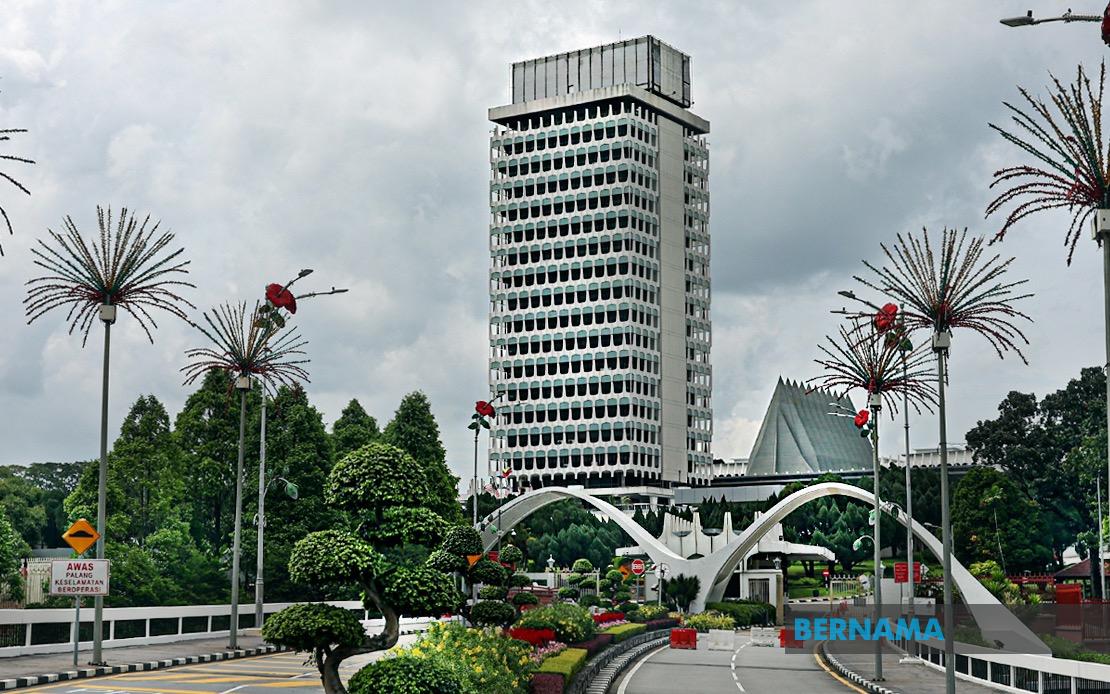
The Dewan Rakyat will tackle a wide-ranging legislative and policy agenda today, with particular emphasis on energy transition initiatives, geopolitical positioning in Southeast Asia, and the digital infrastructure that underpins Malaysia's technological aspirations. The parliamentary session, part of the 15-day sitting running until July 16, reflects mounting domestic concerns about industrial competitiveness, economic resilience, and strategic autonomy in a period of significant global uncertainty.
Energy policy dominates the morning's ministerial questions, with Rodziah Ismail from Ampang pressing the Minister of Energy Transition and Water Transformation for concrete details on the Corporate Renewable Energy Supply Scheme. The CRESS represents a critical pivot in Malaysia's industrial energy strategy, aiming to facilitate private sector participation in renewable power generation. Beyond enrolment figures, lawmakers seek clarity on how recent reviews of System Access Charges will affect operating expenses for data centres—a sector the government hopes to anchor as a regional hub. The implications are substantial: data centre operations are energy-intensive, and cost pressures could undermine Malaysia's competitiveness against neighbouring jurisdictions offering cheaper power and incentives.
The global energy crisis has exposed vulnerabilities in Malaysia's economic resilience. Mohd Syahir Che Sulaiman will interrogate the National Economic Action Council on employment and business impacts, seeking evidence that mitigation measures are yielding tangible results. Job losses and contractions across sectors have raised anxiety about sustained growth, particularly in manufacturing and digital services where energy costs represent a significant operational burden. The government's response will signal whether policymakers perceive the downturn as temporary shock or structural challenge requiring deeper reform.
Fuel subsidy policy has become politically fraught as inflation pressures mount. Datuk Seri Hasni Mohammad will question the Finance Minister on the rationale behind standardised targeting using MyKad identification, and whether the 200-litre entitlement for petrol and diesel adequately serves diverse consumer needs across urban and rural Malaysia. This touches on equity and fiscal sustainability—subsidies represent substantial government spending, yet means-testing risks excluding vulnerable populations lacking formal identity documentation.
Myanmar remains a vexing foreign policy challenge for Malaysia. William Leong Jee Keen will ask Foreign Minister how the Five-Point Consensus—the framework agreed by ASEAN to guide engagement with Myanmar's military regime—translates into actionable diplomatic strategy. The consensus demands cessation of violence, humanitarian access, constructive dialogue, and ASEAN monitoring, yet implementation has proven halting amid the junta's intransigence. Malaysia must balance its commitment to ASEAN consensus, humanitarian concerns, and pragmatic engagement with a regime controlling a strategically important neighbour.
Data sovereignty emerges as a cross-cutting concern, reflecting anxieties about digital dependency and national security. Datuk Seri Amirudin Shari seeks assurances that state-level fibre infrastructure initiatives, exemplified by Selangor's Dark Fibre Network, align with federal data sovereignty priorities. The question implicitly acknowledges that fragmented, non-integrated digital infrastructure invites vulnerabilities and redundancy. Malaysia's aspiration to become an AI-ready nation by 2030 cannot be realised without foundational data security—foreign powers or malicious actors exploiting gaps in infrastructure or governance could compromise both private-sector operations and national-security apparatus.
Islamic education policy surfaces amid broader debates about educational standards and interfaith governance. Datuk Idris Ahmad will press the Prime Minister on the effectiveness of Islamic Education curricula and coordination between federal authorities and state Islamic Religious Councils. Malaysia's plural society demands that religious education meets rigorous academic standards whilst respecting constitutional arrangements that vest Islam's administration in state governments. The question suggests concern that inconsistent curricula or pedagogical approaches across states may disadvantage students and fragment national coherence.
Sabah and Sarawak's constitutional representation remains unresolved. Isnaraissah Munirah Majilis will demand an update on Malaysia Agreement 1963 implementation and the timeline for elevating parliamentary seat allocations to East Malaysia to 35 percent of the national total. This constitutional question touches on the foundational bargain underpinning Malaysian federation; delay in honouring Sabah and Sarawak's entitlements risks eroding federal legitimacy in the two states and fuelling separatist sentiment.
Healthcare financing—specifically insurance premiums and private hospital charges—will occupy the Public Accounts Committee's briefing, examining impacts across the Ministry of Finance, Ministry of Health, and Bank Negara Malaysia. Rising private healthcare costs compound public-system pressures and inequities, as middle-income Malaysians struggle with out-of-pocket expenses whilst poor households forgo care entirely. The PAC's scrutiny signals parliament's intention to interrogate cost inflation and systemic fairness.
The parliamentary agenda ultimately reflects a nation navigating multiple, intersecting pressures: transitioning from fossil fuels to renewable energy whilst maintaining industrial competitiveness; positioning itself strategically amid regional instability without abandoning ASEAN principles; securing digital infrastructure against foreign penetration; honouring constitutional commitments to East Malaysian partners; and ensuring that economic growth delivers equitable access to healthcare and opportunity. Today's questions and forthcoming debates will indicate whether the government possesses coherent, integrated responses or confronts these challenges in isolation, risking policy incoherence.

