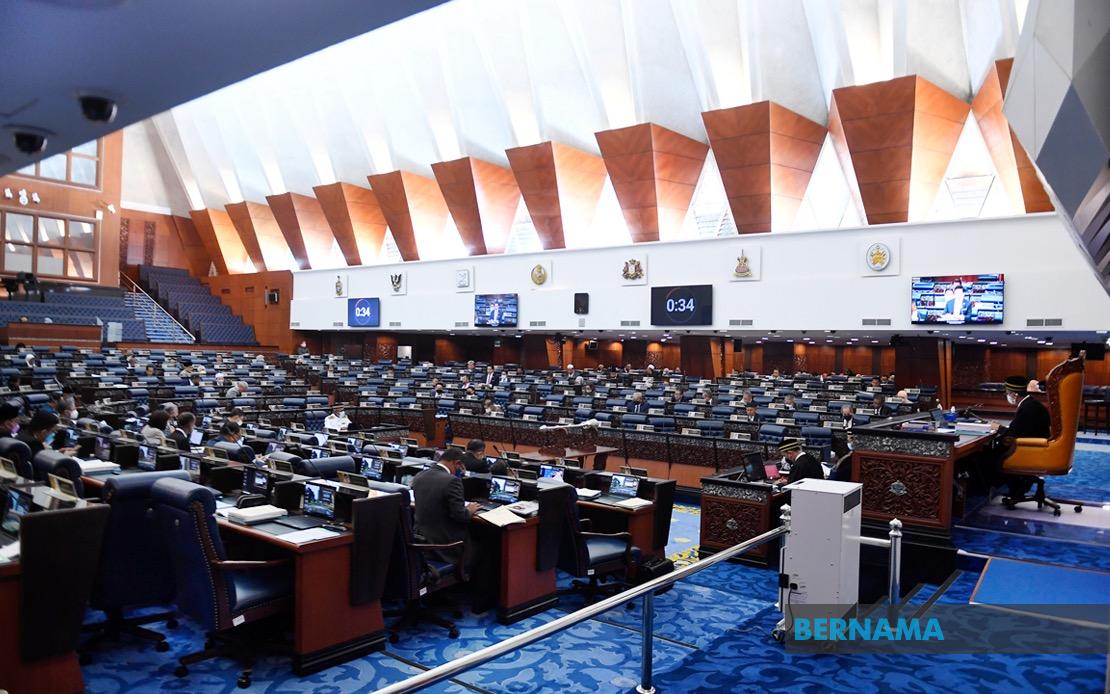
Parliament is preparing to examine concerns about how federal funds are distributed to state governments, with particular attention to accusations that allocations are inadequate relative to revenues collected. The Dewan Rakyat sitting is expected to address whether the MADANI Government has mechanisms in place to rectify perceived inequities in the federal-state fiscal relationship, a perennial source of tension between Putrajaya and state capitals across the peninsula.
The question of fairness in state allocations touches on a fundamental governance issue in Malaysia's federal structure. State governments frequently argue they receive insufficient resources to manage core services such as education, health and infrastructure relative to the revenue their economies generate. The incoming questions suggest growing political pressure on the federal administration to justify its allocation methodology and demonstrate concrete steps toward reform. This is particularly significant given that three states—Johor, Melaka and Negeri Sembilan—have elections imminent, making the allocation debate acutely relevant to electoral politics.
Simultaneously, Parliament will examine whether the prohibition on announcing government projects or allocations after nomination day remains enforceable ahead of those state contests. This rule, designed to prevent the executive from deploying project announcements as campaign tools, has historically proven difficult to police. The question signals concern that enforcement mechanisms may be inadequate or inconsistently applied, potentially allowing governments to circumvent the spirit of the regulation through creative timing or alternative announcement channels.
Beyond fiscal matters, legislators will address the growing challenge posed by artificial intelligence-generated misinformation. Datuk Seri Ismail Sabri Yaakob will press the Communications Minister on government strategies to combat deepfake videos and other AI-manipulated visual content spreading across social media platforms. This reflects mounting anxiety across Southeast Asia about sophisticated disinformation capable of fooling voters and destabilising public discourse. Malaysia's previous experience with malicious content during electoral periods makes this enquiry timely and substantive.
The government is expected to outline verification and labelling mechanisms intended to flag manipulated content, though effective solutions remain elusive globally. Social media platforms in Malaysia have been slow to implement robust detection systems, leaving citizens vulnerable to misidentification of false imagery. The minister's response will likely reveal the extent to which Malaysian authorities are coordinating with technology companies or developing independent capacity to detect and counter such threats before elections arrive.
Energy infrastructure will also come under scrutiny, with questions about whether Malaysia's electricity grid can sustain surging demand from data centres and artificial intelligence operations. This reflects Malaysia's positioning as a potential regional hub for data-intensive industries, alongside concerns that power constraints could hamper economic competitiveness. The Energy Transition and Water Transformation Minister must address whether current generation and distribution capacity suffices or whether accelerated investment is necessary.
Social safety-net programmes feature prominently in the questions tabled. Legislators will examine the effectiveness of mySalam, a health insurance scheme for the B40 bottom-income group, and the redemption performance of MADANI Book Vouchers intended to encourage reading among younger Malaysians. These enquiries suggest that while flagship initiatives attract media attention, their actual uptake and utility warrant parliamentary scrutiny to ensure public resources achieve intended outcomes.
Gender participation in the workforce will receive attention through discussion of TalentCorp's Career Comeback Programme, which seeks to facilitate women's return to employment after career interruptions. Malaysia's female labour force participation lags regional peers, and the programme represents targeted effort to reverse that trend. Parliamentary questions indicate legislators want tangible evidence that such initiatives meaningfully address structural barriers preventing women's economic participation.
The Program Jualan Rahmah MADANI, a government initiative offering subsidised goods to ease living costs, will face scrutiny regarding implementation breadth and frequency. Rising cost-of-living pressures across Malaysia have placed this programme in the spotlight as a visible government response to household financial stress. Legislators are pressing for clarity on whether the initiative reaches all constituencies adequately and whether expanded frequency could amplify its impact on affordability.
Following these questions, Parliament will resume debate on the Sexual Offences Against Children (Amendment) Bill 2026, indicating ongoing legislative effort to strengthen child protection frameworks. This bill addresses gaps in laws governing crimes against children and reflects Malaysia's commitment to international child safeguarding standards, particularly relevant given persistent cases of abuse and exploitation.
The Dewan Rakyat will simultaneously consider amendments to the Employment Insurance System (Amendment) Bill 2025, which modernises worker protections and safety-net provisions in Malaysia's labour market. These amendments reflect efforts to enhance coverage and benefits for the workforce during economic uncertainty or employment transitions.
Also on the agenda is the Cyber Crime Bill 2026, representing significant legislative evolution in Malaysia's approach to digital-era criminal conduct. As online fraud, hacking and cyber-enabled exploitation proliferate across Malaysia and the region, updated statutory frameworks are essential to give law enforcement adequate tools and prosecutors clear offences to pursue. The bill's progression signals recognition that existing cyber crime provisions require modernisation to address emerging threats.
Collectively, today's parliamentary sitting reflects Malaysia's engagement with contemporary governance challenges spanning fiscal federalism, electoral integrity, technological disruption, social welfare adequacy and digital-age criminalisation. The questions and debates reveal legislators across the political spectrum prioritising practical accountability on programmes affecting household welfare whilst simultaneously advancing legislative infrastructure necessary for twenty-first-century governance.

