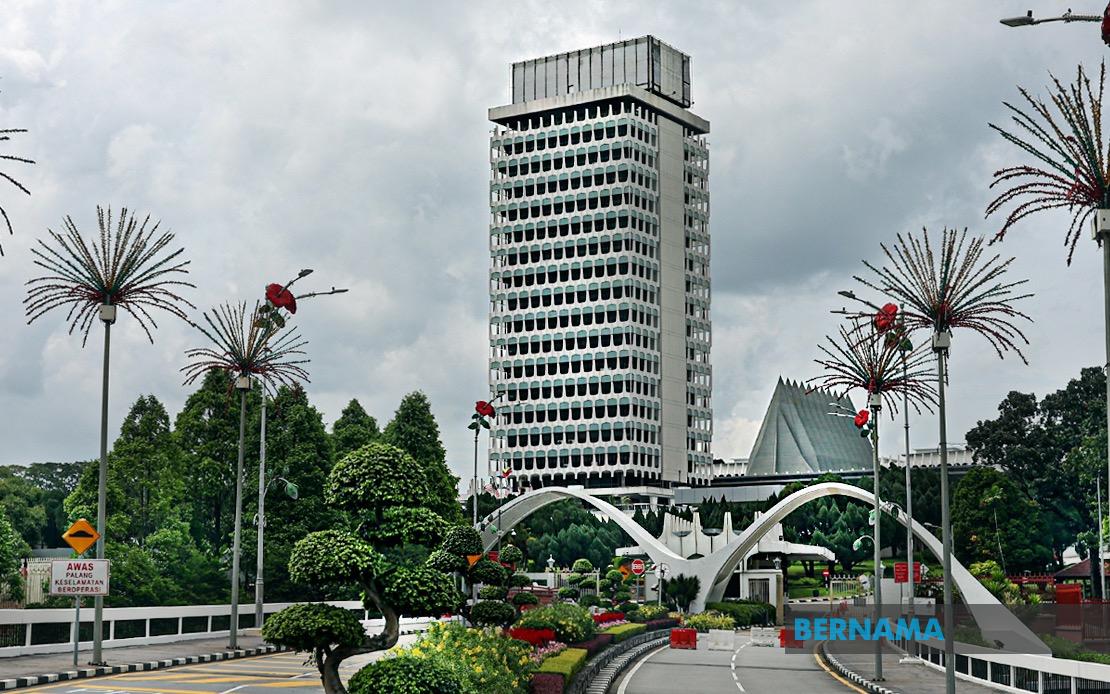
Parliament is set to address three pressing areas of public concern as the Dewan Rakyat convenes for its sitting on July 2, with legislators directing attention to the mechanics of Malaysia's new digital regulation, institutional safety for vulnerable populations, and economic relief for businesses struggling under global instability. The breadth of these parliamentary questions reflects the government's juggling act between modernising digital governance, safeguarding young Malaysians, and protecting the small and medium-sized enterprise sector that underpins much of the nation's economic resilience.
At the forefront of legislative scrutiny is the Online Safety Act 2025, the centrepiece of Malaysia's approach to regulating the digital ecosystem. Rodziah Ismail, the representative for Ampang under Pakatan Harapan, has signalled that parliament wants granular detail on ten subsidiary instruments—an elaborate architecture of regulations and guidelines—that will translate the Act's broad principles into practical enforcement mechanisms. This line of questioning carries significant weight because the Act itself, while groundbreaking in scope, remains skeletal without these supporting instruments. The questions will probe the regulatory objectives driving each instrument, the precise provisions they contain, their territorial and sectoral scope, and crucially, how far along the government has progressed in drafting and finalising them. For Malaysian stakeholders—from technology companies to civil society organisations monitoring digital rights—this interrogation offers rare public visibility into a regulatory process that will shape how digital platforms operate in the country for years to come.
The pursuit of clarity on the Online Safety Act's implementation reflects a broader challenge facing regulators in the Asia-Pacific region. Countries across Southeast Asia are grappling with how to craft digital governance frameworks that maintain public safety without veering into overreach or stifling innovation. Malaysia's approach, embodied in Act 886, attempts to balance content moderation, cybersecurity, and consumer protection. However, without transparent subsidiary instruments clearly delineating enforcement standards, industry compliance becomes speculative, and public confidence erodes. The parliamentary interrogation signals that legislators themselves recognise this gap and want assurance that the regulatory pathway is coherent and progressing on schedule.
Shifting focus to educational settings, Roslan Hashim from Kulim Bandar Baharu, representing Perikatan Nasional, will press the Education Minister for comprehensive data on pupil safety across Malaysian schools. The inquiry encompasses multiple threat vectors: accidents that can be prevented through better infrastructure and protocols, bullying which devastates student wellbeing and academic outcomes, and broader security threats that schools must prepare against. This question taps into a parental anxiety that transcends party lines—the expectation that schools remain sanctuaries where children can develop safely. By demanding details on nationwide safety measures, parliament is essentially requiring the Ministry to articulate its strategy for preventing harm and creating what educators call a positive school climate. The response will reveal whether Malaysia has a cohesive, data-driven approach to school safety or whether it remains fragmented by school type, state, and resource availability.
The economic dimension of today's parliamentary agenda addresses how Malaysian micro-entrepreneurs and small traders are navigating unprecedented supply chain volatility stemming from Middle Eastern tensions. Datuk Andi Muhammad Suryady Bandy, the BN representative for Kalabakan, is directing the Finance Minister to outline tangible, immediate measures to cushion the impact of inflated logistics costs on hawkers, petty traders, and micro, small and medium enterprises. The West Asia crisis has reverberated through global shipping lanes and air freight networks, raising transportation costs across the board. For Malaysian MSMEs already operating on razor-thin margins, these increases can erode profitability or force difficult choices about wage cuts and service reduction. The parliamentary query underscores that while large multinational corporations can absorb supply chain shocks through diversification and scale, small operators need targeted fiscal intervention. Whether through subsidised logistics support, temporary tax relief, or bridging loans, the government's response will signal its commitment to inclusive economic resilience.
In parallel, the parliament will hear updates on the Johor Elevated Autonomous Rapid Transit project, with Datuk Seri Dr Wee Ka Siong seeking details from the Transport Minister on where implementation stands. This infrastructure initiative represents the kind of long-term investment that shapes urban mobility for decades, and legislative oversight ensures accountability and keeps the public informed about timelines and budgetary health. The enquiry also suggests that stakeholders have questions about whether the project is advancing at the anticipated pace or whether technical, financial, or regulatory hurdles have emerged.
Road safety will also feature prominently, with Zakri Hassan tabling concerns to the Works Minister about justifying particular road safety measures. This reflects parliamentary interest in whether infrastructure modifications and traffic management policies are evidence-based and proportionate. In Malaysia, where road fatalities remain persistently high relative to other upper-middle-income nations, parliamentary scrutiny of safety interventions holds practical importance for lives and livelihoods.
Datuk Shahelmey Yahya will pivot the discussion toward Sabah, asking the Health Minister to reassure stakeholders that fiscal consolidation policies will not corrode public healthcare delivery or infrastructure development in the state. This query voices a common anxiety in Malaysia's less urbanised regions and smaller states: that cost-control measures at the federal level inadvertently disadvantage states with more limited own-source revenue. It demands clarification that fiscal discipline does not translate into abandonment of healthcare commitments in peripheral areas.
Meanwhile, Riduan Rubin, an independent member representing Tenom, will venture into the intersection of child protection and cybersecurity, asking the Home Affairs Minister what national cybersecurity risks might materialise if a 16-year-old minimum age requirement for social media use were enacted. This unconventional framing highlights a paradox: protecting minors from online harms could potentially create new security vulnerabilities if age restrictions drive young people toward unregulated platforms with weaker safety infrastructure. The question invites the government to think holistically about child safety rather than viewing regulatory restrictions in isolation.
Parallel to these parliamentary questions, the government will table the Competition (Amendment) Bill 2026 for its second reading. This legislation speaks to the government's intention to refine Malaysia's competition framework, likely addressing evolving digital markets, merger thresholds, or enforcement mechanisms. The tabling of this Bill reflects the legislative calendar's ambition—addressing digital regulation, traditional market competition, and child safety within the same sitting.
The parliamentary session, stretching across 16 days until July 16, provides an extended window for scrutiny and debate. This duration allows not merely perfunctory question-and-answer exchanges but genuine deliberation on complex policy terrain. For Malaysia and the region, today's session exemplifies how parliamentary systems can inject transparency and accountability into regulatory processes that otherwise unfold opaquely within government ministries. Whether on digital safety, school protection, or economic survival, parliament is the forum where competing constituencies articulate their stakes and governments must justify their choices.

