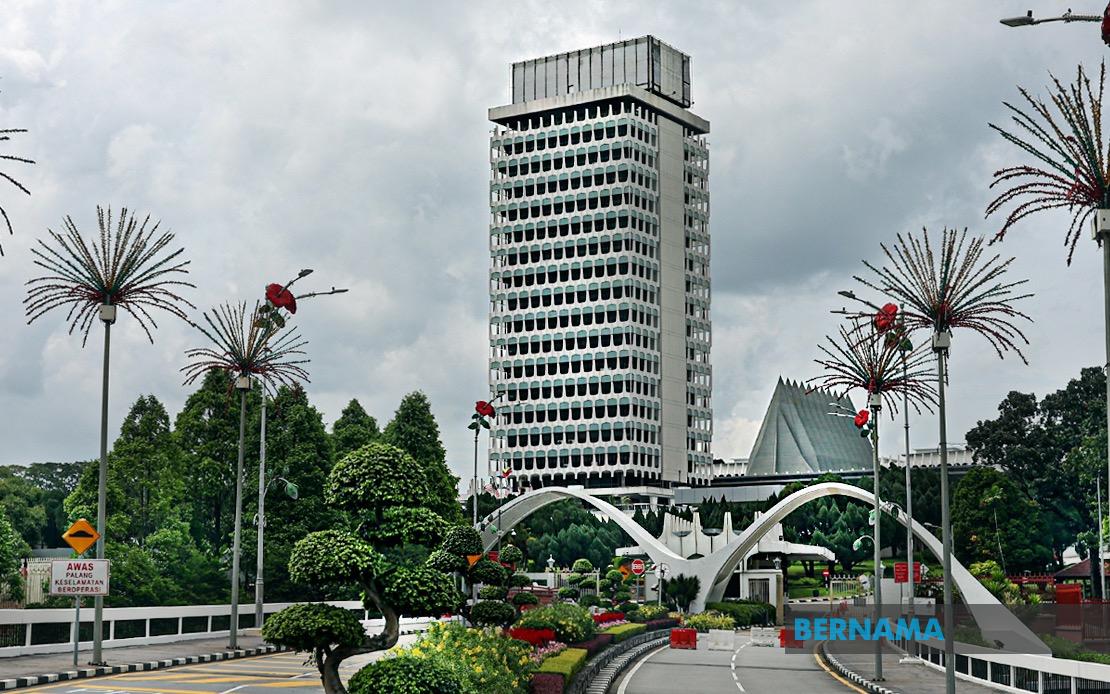
Parliament convenes today to scrutinise major infrastructure and public safety initiatives, with lawmakers poised to challenge the government on the controversial toll arrangements for the proposed East Coast Expressway Phase 3 and enforcement gaps in controlling the distribution of harmful vaping products to young Malaysians. The 16-day sitting, which runs until July 16, signals legislative attention on three interconnected governance challenges facing the nation: infrastructure financing, youth protection, and operational efficiency at critical entry points.
The East Coast Expressway Phase 3, which would extend the crucial transport corridor serving Peninsular Malaysia's eastern seaboard, has emerged as a focal point for parliamentary inquiry. Wan Hassan Mohd Ramli, the Dungun representative from Perikatan Nasional, will interrogate the Works Minister during Question Time about the government's rationale for pursuing a public-private partnership structure rather than direct public funding. This line of questioning reflects broader concerns within the legislature about whether privatised infrastructure models adequately protect consumers from elevated toll burdens while maintaining reasonable project timelines. The PPP approach has proven contentious in Malaysian politics, with opposition figures frequently arguing that such arrangements redistribute public assets to private interests and ultimately increase user costs. Lawmakers want transparency on how toll rates will be calibrated under the proposed arrangement and when construction might realistically commence, matters that directly affect businesses and commuters across Terengganu, Pahang, and adjacent states.
Parallel to infrastructure concerns, Parliament will address an escalating youth protection crisis centred on vaping products. Datuk Mas Ermieyati Samsudin from Masjid Tanah will press the Home Minister to detail the enforcement mechanisms designed to dismantle vape distribution networks that deliberately target schoolchildren and young people. The proliferation of vaping has become a significant policy headache for Southeast Asian governments, with Malaysia grappling to regulate a market that exploits regulatory gaps and enforcement limitations. Organised syndicates have proven remarkably adaptive, shifting distribution channels and product formulations to evade controls. The parliamentary question reflects frustration that existing measures have failed to substantially curtail supply reaching educational institutions. Strengthened enforcement, according to lawmakers, must encompass not only raids and arrests but also supply-chain disruption and coordination between federal and state enforcement bodies.
Border management efficiency will also feature prominently, with P. Prabakaran, the Batu MP aligned with Pakatan Harapan, directing attention to congestion at the nation's entry points. The persistent delays at immigration clearance zones impose significant economic costs through reduced business fluidity and increased operational expenses for logistics operators. Prabakaran's query to the Home Minister signals parliamentary concern that bureaucratic bottlenecks at ports of entry undermine Malaysia's regional competitiveness and strain its appeal as a business hub. Solutions might encompass technological upgrades, additional personnel deployment, or procedural streamlining—all matters requiring sustained ministerial commitment and cross-agency coordination.
Healthcare digitalisation represents another parliamentary focus. Salamiah Mohd Nor from Temerloh will ask the Health Minister to evaluate the real-world impact of digital systems including MySejahtera and electronic health records in reducing hospital congestion. These initiatives, launched with significant fanfare and investment, have become testing grounds for Malaysia's broader digital government agenda. Their effectiveness directly bears on patient outcomes and operational efficiency across the public healthcare network, which serves millions of ordinary Malaysians. A frank assessment of whether these systems deliver promised benefits or merely add administrative layers would inform future health policy investments.
Beyond the Question Time segment, Parliament will proceed to conclude debate on the Human Rights Commission of Malaysia's 2024 Annual Report and Financial Statements, a winding-up session permitting ministers to address concerns raised by backbenchers regarding human rights implementation and institutional independence. This procedural element reflects parliamentary oversight responsibilities and the ongoing tension between executive and legislative branches regarding institutional accountability.
The parliamentary sitting unfolds amid heightened public expectations about governance performance. The LPT3 debate particularly resonates with regional constituencies dependent on improved transport networks, while youth protection measures respond to parental anxieties and school administrators' concerns about substance abuse among students. Border efficiency touches everyday commercial and personal travel experiences. Digital healthcare outcomes influence public perceptions of government service delivery. Collectively, these agenda items demonstrate Parliament engaging with practical governance challenges that directly affect Malaysian households and economic participants. The quality of questioning and ministerial responses will signal whether legislators are genuinely holding executive accountability or merely performing parliamentary rituals. For Malaysian readers tracking these developments, the outcomes will indicate whether infrastructure expansion genuinely serves the travelling public, whether youth protection translates from rhetoric into results, and whether government systems actually function to citizen benefit.

