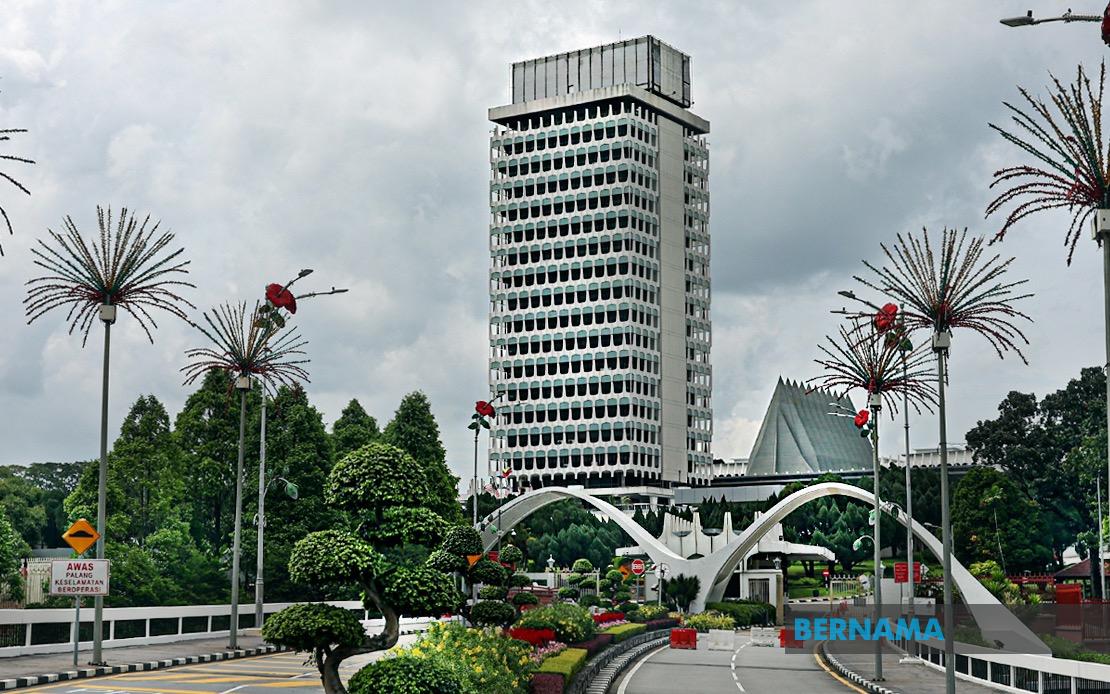
The Dewan Rakyat will confront several pressing governance issues during its question-and-answer session today, with lawmakers preparing to interrogate the government's approach to supporting micro, small and medium-sized enterprises while simultaneously addressing concerns about the nation's international standing on press freedom. The parliamentary agenda reflects growing anxieties across multiple sectors of Malaysian society, from struggling business owners to civil society advocates monitoring democratic institutions.
Among the most pointed queries will come from Lee Chuan How, the Member of Parliament for Ipoh Timor representing Pakatan Harapan, who intends to press the Prime Minister on whether the MADANI administration acknowledges the escalating difficulties MSMEs face when attempting to obtain adequate financing. This line of questioning emerges from widespread industry complaints that credit accessibility remains constrained despite repeated government assurances of support. The difficulty small enterprises encounter in raising capital has become a recurring theme in parliamentary discourse, with business groups repeatedly flagging the disconnect between announced lending initiatives and actual loan disbursements reaching entrepreneurs on the ground.
Equally significant is Ahmad Fadhli Shaari's planned intervention regarding Malaysia's media freedom standing, which he will raise with the Prime Minister. The Pasir Mas representative from Perikatan Nasional will seek clarification about the country's concerning slide to 95th position in the 2026 World Press Freedom Index, down from 88th in the preceding year. This seven-position deterioration within a single year signals a troubling trajectory that extends beyond mere statistical movement, reflecting substantive questions about the operating environment for journalists and news organisations. The index measures not only direct government restrictions but also broader factors including self-censorship pressures, ownership concentration, and the safety of media practitioners.
The media freedom question carries particular significance for Southeast Asia's competitive information landscape. Malaysia's declining ranking within just twelve months suggests accelerating constraints that could influence investor confidence and civil society participation. International observers have increasingly scrutinised the region's press environment, and Malaysia's downward mobility in comparative assessments risks reinforcing perceptions that democratic space is contracting. For a nation that prides itself on being a communications hub and knowledge economy, such perception gaps can undermine regional influence and technological competitiveness.
The parliamentary session will also address an often-overlooked dimension of governance: accessibility for elderly citizens. Aminolhuda Hassan, representing Sri Gading under the Pakatan Harapan banner, will inquire whether the government contemplates establishing a dedicated fund to assist mosques and prayer halls in implementing senior-friendly infrastructure. Specific provisions mentioned include wheelchair ramps and accessible lavatory facilities designed for older worshippers. This question highlights how legislative attention extends beyond macroeconomic policy to encompass the practical lived experience of vulnerable populations within religious and community spaces.
The accessibility initiative under consideration reflects evolving understanding that social inclusion requires deliberate infrastructure investment across multiple settings. Mosques and suraus function as essential community anchors in Malaysian society, yet many lack modifications that would genuinely accommodate age-related mobility challenges. A dedicated funding mechanism would represent targeted recognition that demographic ageing necessitates proactive facility upgrades in spaces where citizens gather regularly. The proposal also demonstrates how parliamentary questions can surface grassroots concerns that might otherwise remain buried in ministry correspondence.
Beyond these three priority questions, the Dewan Rakyat's agenda encompasses substantive legislative business with constitutional implications. The House will deliberate on the 2024 Annual Report and Financial Statement of the Human Rights Commission of Malaysia, commonly known by its Malay acronym SUHAKAM. This review provides an opportunity for scrutiny of an institution that monitors rights compliance across government agencies and judicial processes. Parliamentary examination of SUHAKAM's performance and financial stewardship reinforces the democratic principle that even independent commissions remain accountable to elected representatives and, through them, to the broader public.
Fundamentally transformative will be the resumed debate on the Constitution (Amendment) (No. 2) Bill 2026, which proposes separating the Attorney General and Public Prosecutor roles. This constitutional restructuring carries profound implications for Malaysia's governmental architecture and prosecutorial independence. Currently vested in a single office, these functions represent potentially conflicting mandates: legal advisory to government on the one hand, and impartial criminal prosecution on the other. Formal separation could enhance public confidence that prosecutorial decisions reflect legal merit rather than political influence, though implementation details remain critical to actual outcomes.
The constitutional amendment debate will likely prove technically intricate, with Members engaging fundamental questions about separation of powers, institutional design, and prosecutorial accountability. International precedent demonstrates that successful separation requires careful attention to recruitment, reporting lines, and dismissal procedures to prevent either role from being undermined. For Malaysian democracy, this restructuring represents one of several ongoing refinements to institutional frameworks that have evolved since independence.
The convergence of these agenda items—MSME financing, media environment, accessibility policy, oversight institutions, and constitutional architecture—demonstrates Parliament's role as a venue where disparate policy domains intersect with underlying democratic principles. Each question touches on different constituencies: entrepreneurs struggling with credit constraints, journalists working in an increasingly circumscribed environment, elderly citizens seeking dignified religious participation, and citizens broadly invested in governmental accountability and constitutional integrity. Today's session will reveal whether parliamentary interrogation translates into substantive policy responsiveness or remains symbolic engagement with pressing issues.

