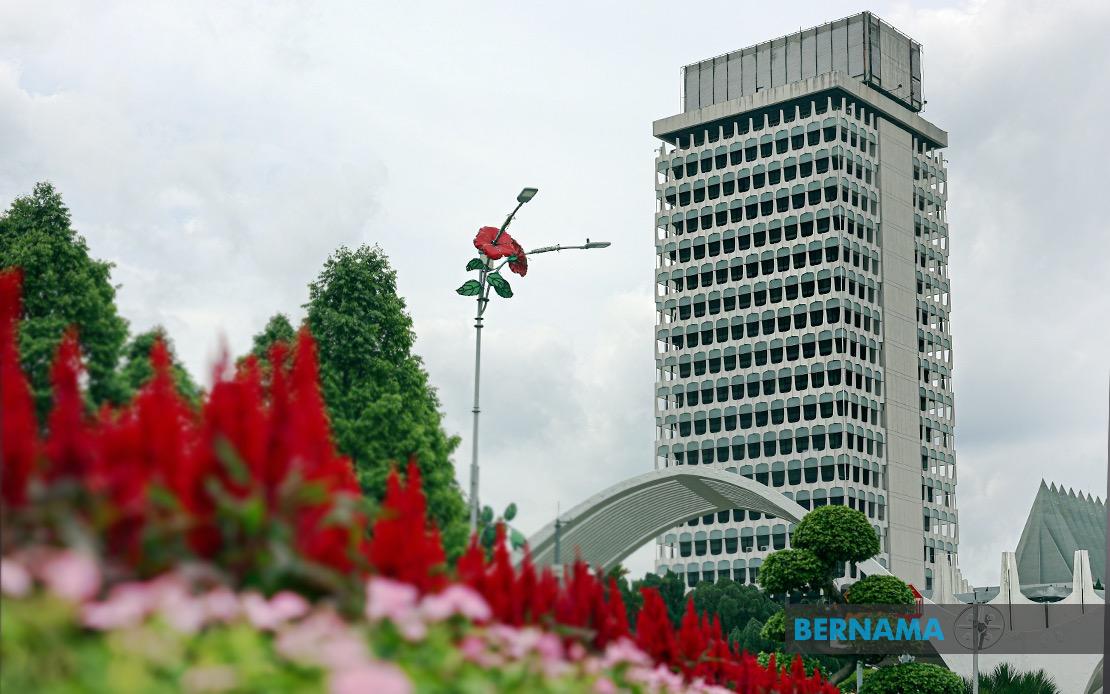
Parliament will reconvene today to grill ministers on three critical national concerns: the looming El Niño climate event, safety protocols in military training operations, and administrative reforms for the federal capital, marking the final day of the parliamentary session.
Agricultural preparedness stands at the forefront of parliamentary questioning, with Bakti Jamaluddin from Tangga Batu pressing the Agriculture and Food Security Minister on concrete measures to shield Malaysia's farming sector from El Niño's anticipated disruptions. The inquiry reflects growing alarm within government and farming communities about potential crop failures and production shortfalls during the dry weather pattern expected to grip the region. Beyond merely stating preparedness, the query demands specifics on irrigation infrastructure resilience, paddy field management strategies, and contingency planning for livestock industries that depend on reliable water availability and feed supplies.
The scope of agricultural questioning extends to food security frameworks, examining whether Malaysia has adequate reserves and supply chain mechanisms to prevent domestic shortages or price volatility. El Niño episodes have historically triggered agricultural crises across Southeast Asia, making this parliamentary inquiry particularly timely as meteorologists forecast drier conditions. The government's response will determine whether current stockpiling policies, irrigation investments, and import diversification strategies can withstand extended dry spells that could devastate traditional growing regions.
A separate line of questioning addresses the Malaysian Armed Forces training explosion, with Defence Minister questions from Tampin Member Datuk Mohd Isam Mohd Isa focusing on the incident's root causes and immediate corrective actions. The hand grenade blast during training exercises represents a serious breach in military safety protocols and has raised public concerns about whether service personnel receive adequate instruction and supervision during combat drills. Parliamentary scrutiny of this matter signals legislative commitment to holding the Defence Ministry accountable for operational standards that protect soldiers from preventable accidents.
The Defence Minister faces pressure to outline comprehensive safety overhauls, including revised standard operating procedures for explosive ordnance handling, enhanced instructor certification requirements, and stricter equipment inspection protocols. Such incidents, while uncommon, erode public confidence in military competence and suggest potential gaps in training facility oversight. The parliamentary debate will likely explore whether budget constraints, aging equipment, or inadequate personnel training contributed to the explosion, forcing defence authorities to demonstrate concrete improvements rather than offering reassurances alone.
Governance and administrative reform for Malaysia's capital city emerge as a third major parliamentary focus, with Cheras MP Tan Kok Wai asking the Prime Minister about implementation plans following the Feasibility Study of the Federal Capital Act 1960. This inquiry suggests government consideration of structural reforms to Kuala Lumpur City Hall's administrative framework, possibly including integrity mechanisms, service delivery improvements, and governance modernisation. For Malaysian citizens, such parliamentary oversight of capital city administration directly affects public services including waste management, licensing, and urban planning that impact daily life.
The administrative review of Kuala Lumpur City Hall reflects broader concerns about municipal efficiency and transparency in the nation's most important urban centre. Potential governance reforms could reshape how the city hall operates, allocates resources, and responds to constituent complaints. Parliamentary pressure on this matter indicates legislators recognise that effective capital city administration requires continuous evaluation and refinement rather than accepting status quo operations.
Deviant religious teachings and Islamic faith preservation will also command parliamentary attention, with Jerai MP Sabri Aziz questioning the government's strategy for countering ideological extremism. This inquiry addresses a sensitive policy area where religious authority and government intervention intersect, requiring delicate handling of theological matters within secular parliamentary frameworks. The questioning suggests government concern about recruitment into unorthodox Islamic movements and doctrines that officials deem contrary to mainstream Malaysian Islamic practice.
Public health challenges round out today's parliamentary agenda, with Betong MP Datuk Dr Richard Rapu requesting updated health statistics on non-communicable diseases affecting young Malaysians. The specific focus on diabetes and hypertension cases among those under thirty reflects alarm at lifestyle disease prevalence among younger demographics who should theoretically enjoy better metabolic health. The parliamentary inquiry scrutinises whether government health campaigns, including the War on Sugar initiative and sugar tax enforcement, actually reduce obesity rates or merely appear symbolic without meaningful population health improvements.
This parliamentary session also provides a platform for examining the effectiveness of preventive health measures and whether current interventions address root causes of rising lifestyle disease. The inquiry implicitly questions government health strategy comprehensiveness—whether education campaigns, taxation, and healthcare provider training work synergistically to change individual behaviour and population health outcomes. For Malaysian policymakers, today's questions suggest legislators recognise that tackling non-communicable disease epidemics requires multifaceted approaches beyond single policy interventions.
The parliamentary calendar also includes tabling of the National Trust Fund Bill 2026 for second reading by the Finance Minister, representing significant financial legislation for parliamentary consideration. This session concludes the Second Meeting of the Fifth Session of the 15th Parliament after spanning sixteen days, ending a substantial legislative period addressing diverse governance challenges. Today's parliamentary proceedings demonstrate continued legislative engagement with agricultural security, military operational standards, capital city administration, religious policy, and public health—issues resonating across Malaysian society.

