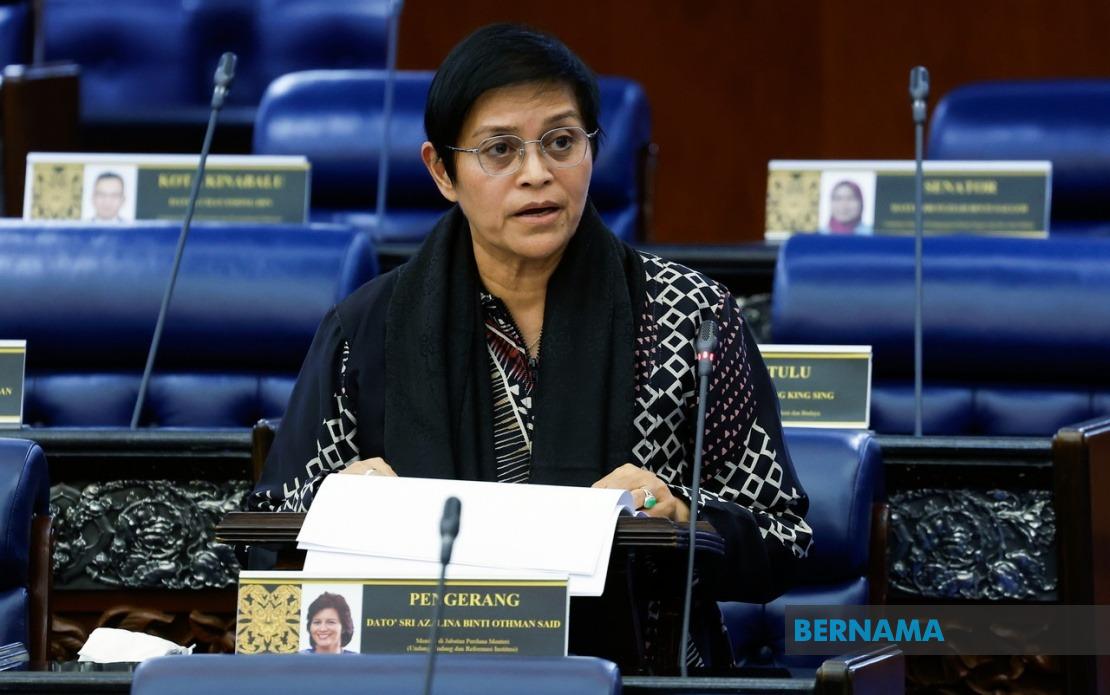
Parliament has endorsed comprehensive reforms to Malaysia's witness protection framework, passing the Witness Protection (Amendment) Bill 2026 through a majority voice vote on July 14. The legislative package represents a significant recalibration of the 16-year-old Witness Protection Act 2009, responding to practical lessons learned during the programme's operation and emerging challenges that threaten participant safety and willingness to testify in serious criminal matters.
The amendments centre on two critical modifications that expand the scope and supportive infrastructure of the programme. First, the Bill amends Subsection 7(3) of the original legislation to permit parents and legal guardians to submit applications on behalf of witnesses who possess insufficient legal capacity to make such decisions independently. This provision addresses a longstanding gap affecting vulnerable populations, particularly children and persons with cognitive impairments whose testimony may be vital in cases involving exploitation, trafficking, or abuse. Second, the legislation adds psychological assistance and counselling services to the mandatory support portfolio available to programme participants, formally recognising the severe emotional and mental health toll that witness protection participation exacts on individuals.
Datuk Seri Azalina Othman Said, Minister in the Prime Minister's Department (Law and Institutional Reform), tabled the Bill emphasising that operational experience had exposed systemic weaknesses requiring urgent remediation. She characterised the amendments as essential measures to preserve the programme's relevance amidst contemporary criminal and security threats. This framing signals that policymakers view the original 2009 legislation as increasingly inadequate to the demands of modern prosecutions, where witnesses face sophisticated intimidation tactics and witness intimidation has demonstrably undermined several investigations.
Deputy Minister M Kulasegaran outlined the criminal justice rationale underpinning the reforms during parliamentary winding-up remarks. He argued that effective witness protection directly strengthens prosecutorial capacity by enabling witnesses to provide evidence without fear of retaliation or harassment. When participant identity and security remain safeguarded, prosecutors can present more comprehensive and persuasive evidence, reducing case adjournments caused by witness non-appearance and eliminating the evidentiary gaps created when frightened witnesses recant or refuse to testify. This administrative benefit translates into faster case resolution and more reliable trial outcomes, enhancing public confidence in the judiciary's capacity to deliver justice in organised crime and corruption matters.
The parliamentary debate revealed broad cross-party consensus regarding the necessity of strengthened protections, though backbenchers from both government and opposition camps identified specific areas requiring further refinement. Onn Abu Bakar (PH-Batu Pahat) highlighted the acute psychological trauma that witnesses in serious criminal cases routinely experience, arguing that mental wellbeing should constitute a formal key performance indicator by which the programme's success is measured. He further proposed that upon exiting the programme, participants receive one-time financial assistance and dedicated resettlement support to facilitate reintegration into civilian life, acknowledging that many witnesses emerge from programme participation economically devastated and psychologically fractured after abandoning their former identities and livelihoods.
Technological safeguards emerged as another crucial theme in parliamentary consideration. Onn Abu Bakar advocated for integration of advanced security technologies including encrypted communications infrastructure, secure digital identity systems, and sophisticated monitoring networks capable of detecting and neutralising cyber threats against participants. This proposal reflects growing recognition that traditional physical security measures—safehouses, relocation, identity alteration—prove increasingly insufficient in an age when digital surveillance, social media reconnaissance, and online harassment techniques enable motivated actors to circumvent conventional protective measures and locate or intimidate witnesses remotely.
Lim Lip Eng (PH-Kepong) proposed creating an independent review panel to assess termination decisions, addressing concerns about administrative discretion and potential abuse. He additionally recommended establishing a limited High Court appeal mechanism operating through confidential closed-door proceedings, allowing participants facing unjust programme exit to seek judicial review without breaching their protective anonymity. These proposals seek to balance security imperatives against individual justice interests, ensuring that administrative decisions affecting participant safety and welfare receive independent scrutiny.
Dr Abd Ghani Ahmad (PN-Jerlun) emphasised that robust witness safety guarantees represent a foundational prerequisite for combating organised crime and corruption, arguing that without credible protection assurances, individuals will decline to come forward regardless of criminality severity. This observation carries particular weight in Malaysia's context, where organised crime networks and corruption-implicated officials have demonstrated capacity for witness intimidation, suggesting that expanded protections directly enhance voluntary cooperation from potential witnesses throughout society.
V Ganabatirau (PH-Klang) commended the amendments for specifically protecting vulnerable populations including minors and legally incapacitated persons, yet cautioned that implementation safeguards require careful calibration. He proposed that where parents or guardians possess potential conflicts of interest, the government should empower Social Welfare Department officers or equivalent neutral representatives to submit applications on vulnerable witnesses' behalf, preventing situations where parental interests diverge from child welfare. This sophisticated oversight mechanism reflects parliamentary awareness that expanding access to the programme simultaneously expands opportunities for misuse unless supported by robust accountability structures.
Kalam Salan (PN-Sabak Bernam) raised definitional precision concerns, urging the government to articulate clear criteria for determining which individuals "lack legal capacity," thereby preventing the test's ambiguous application from enabling unauthorised programme admission or creating loopholes susceptible to exploitation. This technical observation addresses the legislative drafting challenge inherent in transposing legal concepts—particularly those involving cognitive assessment and incapacity determination—from abstract principle into operational guidance for programme administrators.
The parliamentary passage of these amendments reflects Malaysia's incremental strengthening of institutional mechanisms addressing witness security and criminal justice effectiveness. The Bill's progression from conception through enacted law consumed months of cross-party negotiation and departmental consultation, resulting in a legislative package that commands substantial political consensus despite Malaysia's intensely polarised parliamentary environment. This cross-partisan support signals that witness protection expansion transcends partisan divisions and reflects shared commitment to enhancing prosecutorial capacity and rule-of-law institutions across the political spectrum.
Looking forward, implementation success depends substantially on resource allocation and administrative capacity. Psychological counselling services require trained practitioners, secure facilities, and ongoing funding commitments. Advanced security technologies demand substantial capital investment and technical expertise. Resettlement assistance programmes necessitate coordination across multiple government agencies and potentially private sector partners. These implementation requirements suggest that parliamentary approval represents only the initial stage in a lengthier process of translating legislative intent into operational reality, with actual programme effectiveness contingent on whether government agencies receive adequate budgetary support and political prioritisation to operationalise the amendments comprehensively.

