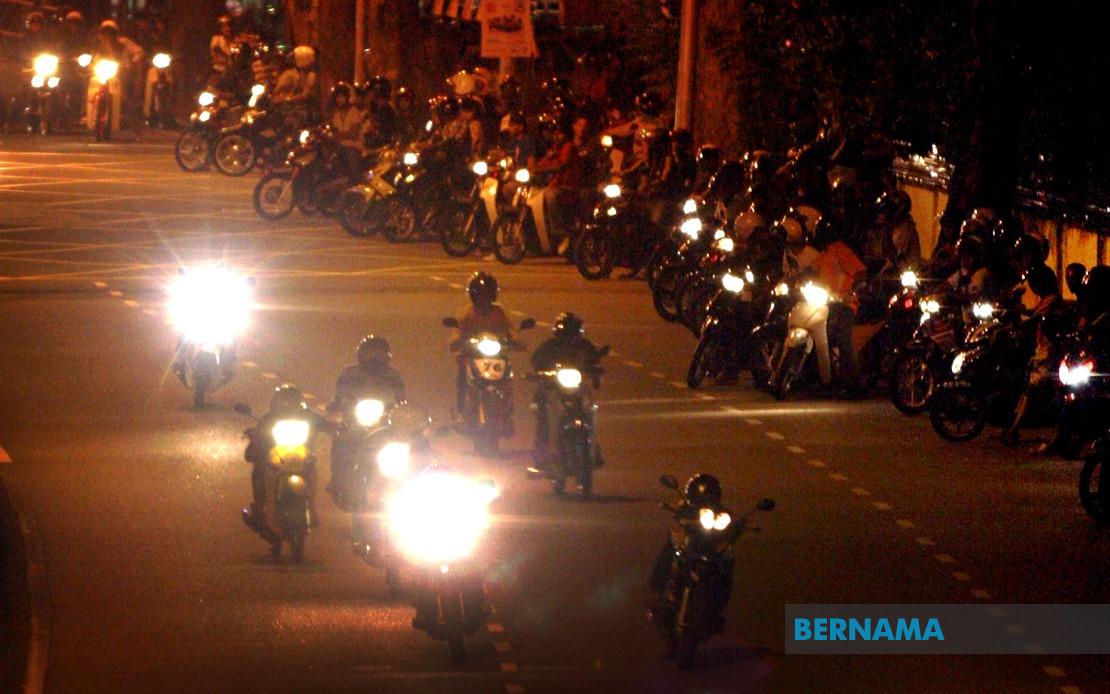
Lawmakers in the Dewan Rakyat have intensified their push for comprehensive measures to stamp out illegal racing, putting forward a suite of penalties and preventive strategies that go beyond existing fines and jail terms. The proposals emerged during parliamentary debate on the Road Transport (Amendment) Act 2026, with multiple MPs across government and opposition benches articulating their frustration with the persistence of street racing despite current enforcement efforts. The interventions signal growing recognition that traditional penalties have proven insufficient to deter the dangerous practice, which continues to claim lives and destabilise communities across the nation.
Khairil Nizam Khirudin from Jerantut brought a rehabilitative angle to the discussion, advocating for the introduction of a specialist programme targeting offenders. His proposal blends disciplinary components with mandatory community service, designed to work alongside rather than replace existing criminal sanctions. This approach reflects international best practice in addressing motorsport-related crime, where rehabilitation has shown promise in preventing recidivism among younger offenders. The intention is to provide offenders with constructive pathways away from illegal racing culture, whilst simultaneously impressing upon them the gravity of their actions through structured labour benefiting society.
The enforcement architecture underpinning motorcycle modifications emerged as another focal point for parliamentary scrutiny. Khairil urged the Ministry of Transport to coordinate with the Ministry of Domestic Trade and Cost of Living to establish stronger regulatory frameworks targeting workshops that facilitate street racing through performance upgrades. He specifically referenced Section 66 of the Road Transport Act 1987 as a potential legal foundation for such regulations. This emphasis on supply-side intervention addresses a critical gap: whilst riders face prosecution, the technical infrastructure that enables illegal racing has largely operated with impunity, and lawmakers believe tightening controls on modification services could reduce the supply of race-ready machines entering the underground circuit.
Parental accountability emerged as an unconventional but revealing proposal, with Khairil suggesting that guardians of offenders bear legal responsibility for their offspring's actions. This reflects cultural and social priorities within the Malaysian context, where family institutions carry significant weight in behavioural oversight. However, the practicality of implementing such measures remains unclear, particularly in cases involving adult offenders or where parental supervision proves genuinely limited. Nevertheless, the proposal underscores parliamentary frustration with what many see as inadequate societal safeguards against youth involvement in dangerous street activities.
Datuk Willie Mongin from Puncak Borneo advocated for the harshest single measure proposed during the debate: permanent revocation of driving licences for convicted illegal racers. He recommended coupling this with escalated criminal penalties, proposing a minimum fine of RM300,000 or five years imprisonment. The permanence of licence revocation represents a fundamentally different approach to deterrence, moving beyond temporal punishment to impose lasting consequences on offenders' daily lives and economic prospects. Mongin's emphasis on demonstrating governmental seriousness reflects political pressure to show constituents that parliament takes this issue with utmost gravity, particularly given high-profile tragedies linked to illegal racing.
The tragedy at Simpang Renggam in Johor on June 1 provided tragic impetus for broadening the legal framework beyond motorcycles. That incident, involving luxury vehicles and resulting in multiple fatalities, prompted Wan Razali Wan Nor from Kuantan to argue that illegal racing provisions must encompass all vehicle types, not merely motorcycles. He emphasized that the current legislative focus on two-wheelers creates a dangerous gap, as high-powered cars pose arguably greater risks to public safety due to their speed and mass. This observation carries particular weight in Malaysia's context, where car culture and motorcycle culture intersect in complex ways, and where illegal racing increasingly involves imported supercars alongside modified bikes.
Shaharizukirnain Abd Kadir advanced another escalatory proposal: destruction of excessively modified motorcycles upon conviction. The confiscation and destruction of vehicles used in illegal racing removes the instrumental means of offending and carries symbolic weight, signalling that participation in such activities results in permanent loss of valuable assets. Such measures exist in various jurisdictions but remain controversial due to property rights concerns and questions about proportionality. Nevertheless, the proposal reflects deepening frustration with recycling dynamics, where confiscated bikes are sometimes returned or resold, potentially enabling further illegal activity.
The parliamentary discourse extended beyond racing itself to encompass impaired driving, another major source of road fatalities. Zahari Kechik from Jeli advocated for strengthening provisions addressing driving under the influence of alcohol and drugs, emphasising the need for victim compensation mechanisms. He proposed establishing structured compensation frameworks to cover hospital expenses and welfare support for victims of crashes caused by intoxicated drivers. This reflects a broader shift toward victim-centric justice approaches, where offenders bear direct financial responsibility for harm caused. Such mechanisms exist in some jurisdictions but remain underdeveloped in Malaysia, where victims often bear substantial costs whilst offenders face only criminal penalties.
Datuk Seri Dr Ismail Abd Muttalib supported strengthening enforcement against impaired driving, highlighting the devastating consequences of fatal crashes involving intoxicated drivers. The parallel emphasis on both illegal racing and drink-driving reflects recognition that these offences often intersect, as street racing events frequently involve alcohol consumption. Enhanced enforcement targeting both phenomena simultaneously may prove more effective than siloed approaches that treat them as separate problems.
The parliamentary debate involved 24 MPs from both government and opposition benches, indicating broad-based concern about illegal racing transcending traditional party lines. This cross-partisan consensus strengthens the likelihood that substantive legislative changes will proceed, though implementation details remain to be finalised. The variety of proposals reflects different philosophical approaches—from rehabilitation through punishment to confiscation—suggesting that final legislation may incorporate multiple strategies rather than relying on single solutions.
For Malaysian motorists and communities, these proposals signal an intent to dramatically escalate consequences for illegal racing participation. The combination of permanent licence revocation, substantial fines, extended imprisonment, and confiscation represents a qualitative shift in severity. However, enforcement effectiveness depends upon resource allocation, police cooperation, and technological capacity to detect and prosecute offenders. The proposals also raise questions about implementation timelines and whether existing law enforcement infrastructure can handle increased caseloads and complexity.

