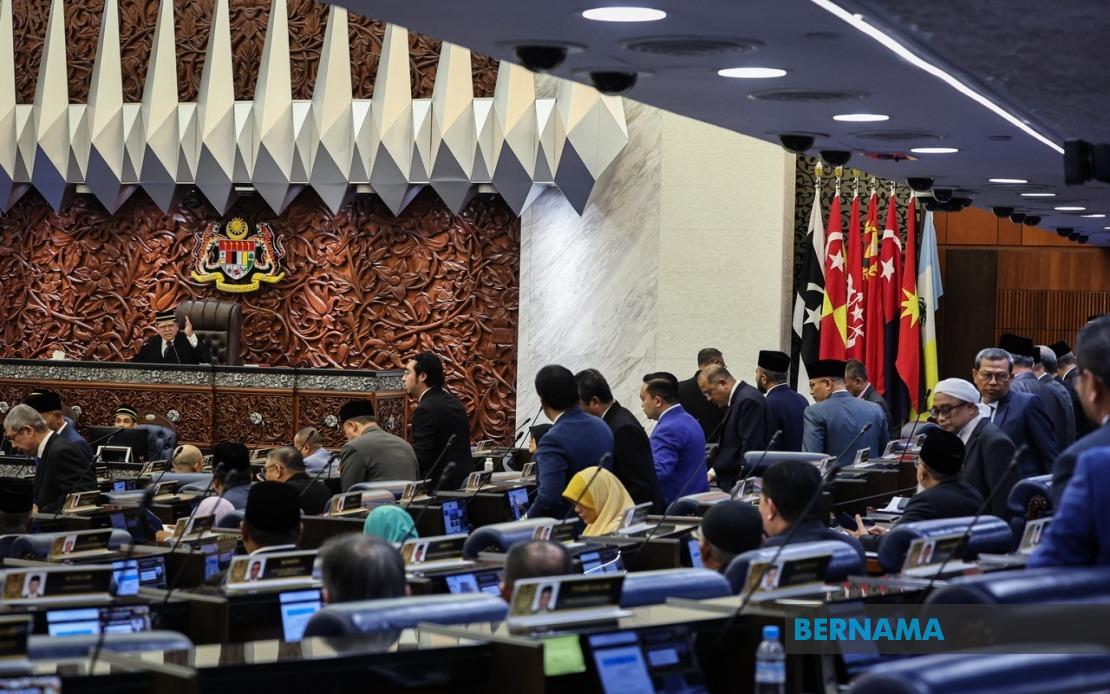
The Malaysian parliament convened in special session on August 11 to facilitate comprehensive discussion of a Royal Commission of Inquiry report examining Lembaga Tabung Haji, the state-run savings scheme for Muslims undertaking the hajj pilgrimage. Speaker Tan Sri Johari Abdul explained that the extraordinary sitting was necessary to ensure all elected representatives could scrutinise the RCI's key findings and conclusions in a forum designed for public scrutiny and legislative transparency.
The special parliamentary sitting proceeded under Standing Order 11(3) of the Dewan Rakyat's procedural rules, activated following a formal request from Prime Minister Datuk Seri Anwar Ibrahim. This procedural mechanism allows the Speaker to convene parliament outside regular scheduled sessions when matters of significant national importance require immediate legislative attention and debate. By invoking this provision, the government signalled that the RCI report's contents warranted urgent parliamentary examination rather than deferral to ordinary sitting schedules.
Tan Sri Johari underscored his obligation to follow established parliamentary procedures and his decision to permit the sitting reflected his adherence to these constitutional frameworks. The Speaker emphasised that facilitating such debates represents a core parliamentary function—creating space for elected representatives to engage with official inquiries into matters affecting public institutions and citizen interests. This procedural regularity, while procedurally routine, carries significance given the sensitivity of scrutinising a major Islamic religious and social institution.
The timing of this parliamentary debate reflects broader governance discussions about institutional accountability and transparency in Malaysia's public sector. The Tabung Haji inquiry represents an effort to examine potential governance weaknesses, financial irregularities, or management issues within an institution serving hundreds of thousands of Malaysian Muslims. Parliament's willingness to publicly debate such findings demonstrates commitment to subjecting even sensitive state entities to legislative oversight and public examination.
The special sitting occurred before a ministerial briefing on the RCI findings, suggesting a structured approach where lawmakers would hear official presentations before engaging in substantive debate. This sequencing allows government officials to explain the inquiry's scope, methodology, and conclusions before parliament undertakes detailed examination. Such arrangement ensures that legislative discussion proceeds from comprehensive understanding of the RCI's work rather than incomplete or speculative analysis.
The inclusive approach—explicitly welcoming contributions from MPs across government and opposition benches—reflects parliamentary conventions emphasising that institutional accountability transcends partisan divisions. When examining major public bodies like Tabung Haji, which serves Muslims across all political allegiances and geographic areas, parliamentary oversight theoretically functions more effectively when multiple political perspectives scrutinise findings. Opposition lawmakers gain opportunity to raise questions, propose reforms, or highlight oversight gaps, while government backbenchers can similarly engage in constructive criticism and solution-seeking.
For Malaysian stakeholders with interests in hajj savings schemes or Islamic financial institutions, this parliamentary engagement represents a mechanism through which citizen concerns potentially influence policy responses to RCI recommendations. The public nature of parliamentary debate—conducted in parliament's official record and increasingly monitored through media coverage and social platforms—creates accountability pressure on both government decision-makers and institutional leaders to address legitimate concerns identified during inquiry.
The Tabung Haji institution holds particular significance in Malaysian Islamic governance, managing substantial accumulated savings from millions of contributors over decades. Any inquiry into its operations touches matters affecting substantial Muslim populations across Malaysia, making parliamentary debate appropriate given these institutions' intersection with religious obligations, financial security, and state administration. The RCI mechanism itself represents government acknowledgement that questions warranting official investigation had emerged regarding the institution's management.
Parliament's role in examining RCI reports extends beyond symbolic endorsement or procedural ratification. Substantive debate allows lawmakers to interrogate inquiry findings, test government responses to recommendations, and potentially stimulate legislative action or administrative reform. Such examination can identify whether RCI recommendations require new legislation, executive implementation, oversight mechanism creation, or resource allocation to address identified weaknesses.
The special sitting framework demonstrates how Malaysian parliamentary procedures accommodate urgent governance issues without circumventing established legislative processes. Standing Order 11(3) provides flexibility to respond to time-sensitive matters while maintaining institutional integrity and ensuring opposition participation. This balance between executive responsiveness and parliamentary oversight represents a practical constitutional mechanism even though occasional tensions exist regarding Standing Order invocation.
For broader Southeast Asian governance observers, Malaysia's approach to examining major public institutions through combined RCI and parliamentary mechanisms reflects broader regional trends toward institutional accountability, though implementation varies significantly across neighbouring countries. The willingness to publicly debate inquiry findings into sensitive religious and financial institutions demonstrates evolving governance standards regarding transparency and state institution accountability.
The parliamentary debate's substance—examining the RCI's specific findings regarding Tabung Haji operations—would likely address governance lapses, financial management concerns, or administrative deficiencies identified during investigation. How lawmakers respond to these findings, what reform proposals emerge, and whether government commits to implementing recommendations will ultimately determine whether this parliamentary exercise produces meaningful institutional improvements or remains primarily procedural engagement.

