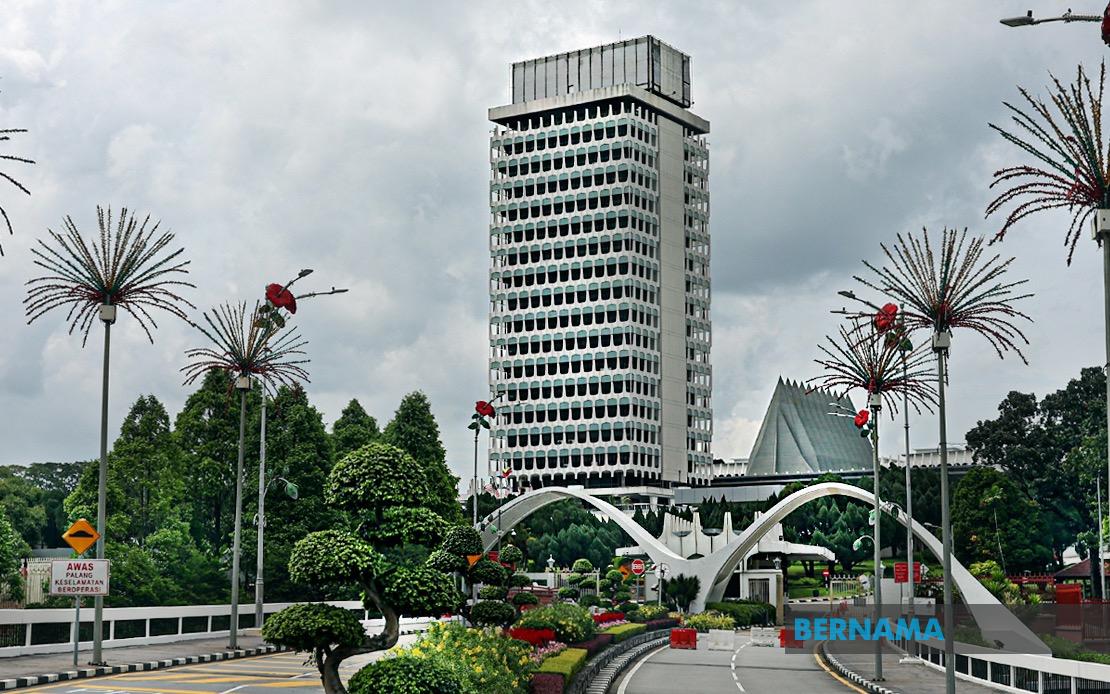
Lawmakers gathered in Kuala Lumpur on July 1 as Parliament convened a new 16-day sitting through July 16, with deliberations centred on institutional reform and the mounting disconnect between headline inflation statistics and the everyday financial hardship experienced by ordinary Malaysians. The parliamentary agenda revealed two interconnected anxieties: how to strengthen independent institutions and how to make economic growth tangible for household budgets struggling with rising prices.
The proposed amendments to the Human Rights Commission of Malaysia Act 1999 reflect mounting recognition that SUHAKAM requires financial sustainability independent of annual government budgets. Teresa Kok Suh Sim from the Seputeh constituency, representing the Pakatan Harapan coalition, posed the government a strategic question about whether SUHAKAM should be permitted to develop its own revenue streams through training programmes and specialised courses. This approach would transform the commission from a purely publicly funded institution into one capable of generating supplementary income, reducing reliance on parliamentary allocations and potentially insulating it from budgetary pressures during austerity cycles. Such institutional autonomy carries symbolic weight in Malaysia's evolving democracy, where independent bodies investigating human rights complaints face periodic scrutiny over resources and independence.
Simultaneously, concerns about the validity of Malaysia's economic indicators dominated parliamentary questioning. Mohd Syahir Che Sulaiman of the Bachok constituency, affiliated with Perikatan Nasional, directly challenged the government's Economic Minister to reconcile the official inflation rate—the primary metric policymakers cite—with the lived reality of families experiencing steeper cost increases than headline figures suggest. This gap between statistical inflation and perceived cost-of-living pressures represents a critical credibility issue for the government, particularly when the public observes prices rising faster than wages or official data indicates. The question probed whether economic growth translates into genuine purchasing power gains for households, or whether increases in GDP mask stagflation dynamics where incomes lag price increases. This tension has surfaced across Southeast Asia, where official statistics frequently undercount informal sector price pressures and everyday consumption baskets.
Parliamentary scrutiny extended to environmental governance, with V. Ganabatirau from Klang querying the Prime Minister on the review status of land transfers involving flood retention ponds in Kuala Lumpur. This reflects Parliament's engagement with urban planning consequences following Malaysia's repeated flood crises, where the integrity of drainage infrastructure and retention facilities has become politically sensitive. The question signals awareness that land-use changes in flood-control zones require transparent review mechanisms to protect public safety.
Education policy remained prominent on the agenda through questioning on science and technology capacity. Datuk Dr Ku Abd Rahman Ku Ismail of the Kubang Pasu constituency asked the Higher Education Minister to disclose the current ratio of STEM versus non-STEM enrolments and specify engineering discipline targets aligned with industrial demands. Malaysia's aspirations to transition toward high-technology manufacturing and digital economy sectors depend partly on adequate STEM graduate flows. This parliamentary inquiry suggests concerns that current educational pathways may not produce engineers in sufficient quantity or appropriate specialisations to support economic diversification away from commodity dependence. Understanding these ratios and targets becomes crucial for strategic workforce planning.
Legislative action proceeded with formal tabling of the Cybercrime Bill 2026 for second reading, advancing a critical policy framework for digital security. This legislation arrives amid rising cyber threats across the region and growing parliamentary recognition that Malaysia requires modern statutory protections against digital crime. The bill's progression through Parliament represents substantive engagement with 21st-century security challenges, though its provisions will warrant scrutiny regarding privacy protections and law enforcement powers.
The convergence of these parliamentary priorities—institutional reform, economic credibility, environmental governance, skills development, and digital security—reflects Parliament's engagement with interconnected challenges shaping Malaysia's medium-term trajectory. The SUHAKAM funding discussion and the inflation-cost gap debate particularly encapsulate broader anxieties: whether institutions can function independently and whether economic policy effectively addresses household welfare. These concerns resonate across Southeast Asia, where middle-income countries navigate institutional strengthening, economic volatility, and public confidence simultaneously. For Malaysian constituencies, Parliament's attention to these issues signals recognition that institutional legitimacy and economic inclusivity require sustained policy focus beyond routine administration.

