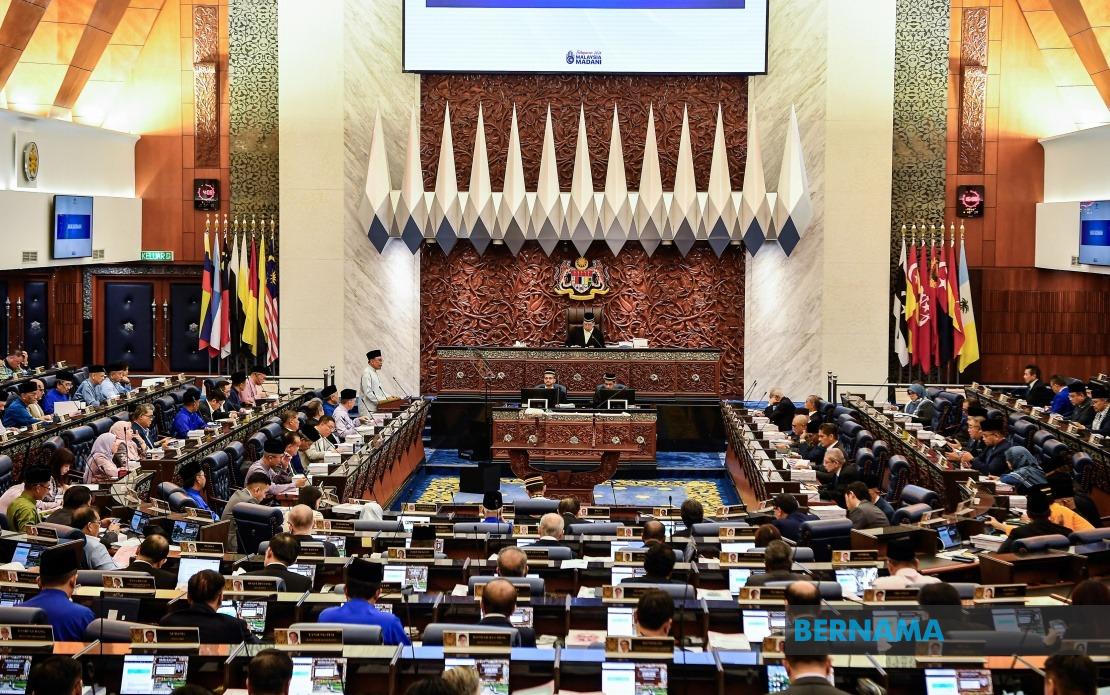
Parliament has endorsed the Malaysian Communications and Multimedia Commission (Amendment) Bill 2026 in a significant move to modernise the country's communications regulator. The legislation, which cleared the Dewan Rakyat on July 15 through majority voice vote, represents the first substantive revision to the commission's statutory powers in over two decades. The amendment addresses mounting pressures on Malaysia's regulatory framework as the digital economy expands, mobile infrastructure demands grow, and multimedia platforms proliferate across the country.
Deputy Communications Minister Teo Nie Ching framed the changes as essential to maintaining MCMC's operational effectiveness. She highlighted that the minister's appointment authority over the commission's chairman and members has remained unchanged since 1998, operating within established statutory criteria that evaluate qualifications, integrity, professional experience, and leadership capability. However, the current amendment introduces a new safeguard: appointed chairpersons must declare any affiliation with legislative bodies, a requirement designed to insulate regulatory decision-making from parliamentary politics. This provision acknowledges growing concerns about regulatory capture, where political considerations might overshadow technical and consumer-protection judgments.
The bill's most tangible change involves expanding MCMC's procurement threshold. The increase from RM5 million to RM50 million aligns the commission's authority with Finance Ministry guidelines for federally-funded statutory bodies, which permit procurements up to RM499 million. Teo justified the more conservative RM50 million ceiling by noting that the original RM5 million limit has never been adjusted since the enabling legislation took effect. The tenfold expansion accommodates inflation, currency fluctuations, technological cost escalation, and elevated materials and labour expenses across Malaysia's telecommunications and broadcasting sectors. This flexibility enables MCMC to negotiate efficiently for major infrastructure upgrades, network expansion projects, and regulatory technology systems without perpetual recourse to ministerial approval for each significant contract.
The parliamentary debate revealed substantive concerns about regulatory independence and governance transparency. Dr Halimah Ali from Kapar, representing Perikatan Nasional, advocated for institutional reforms that would reduce perceived ministerial influence. She proposed adoption of a selection mechanism comparable to the Human Rights Commission of Malaysia (SUHAKAM), wherein appointment panels evaluate candidates systematically according to expertise, professional standing, and demonstrated credibility rather than relying exclusively on ministerial discretion. This approach would potentially depoliticise commissioner recruitment and strengthen the regulator's perceived neutrality when handling disputes involving politically-sensitive media outlets or telecommunications operators with government connections.
Datuk Mas Ermieyati Samsudin from Masjid Tanah similarly pressed for enhanced accountability mechanisms, particularly regarding the Universal Service Provision (USP) Fund, which subsidises communications access in underserved rural and remote areas. She requested periodic parliamentary reporting on fund utilisation, recognising that the USP mechanism commands significant public resources yet operates with limited legislative oversight. Strengthening audit powers and mandating transparency in ministerial directives would create clearer accountability chains and reduce scope for discretionary resource allocation that might favour certain constituencies or providers.
Dr Richard Rapu from Betong endorsed the amendments as foundational reforms positioning MCMC as an institutional actor capable of navigating digital-era regulatory challenges. He argued that the institutional strengthening creates pathways toward a more professionalised, insulated regulatory apparatus equipped to manage the convergence of telecommunications, broadcasting, and internet services. As Malaysia competes regionally in digital infrastructure and e-commerce ecosystems, regulatory credibility matters. Foreign investors, technology companies considering regional headquarters, and multinational operators require confidence that regulatory decisions reflect technical merit and consumer welfare rather than shifting political preferences.
The amendment's timing reflects broader regional and global trajectories. Southeast Asian communications regulators increasingly confront questions about artificial intelligence governance, data protection, spectrum management for 5G and emerging technologies, and platform accountability. Thailand's National Broadcasting and Telecommunications Commission, Indonesia's Ministry of Communication and Informatics, and Singapore's Infocomm Media Development Authority all navigate comparable tensions between governmental direction and regulatory independence. Malaysia's parliament recognised that MCMC requires both political legitimacy and operational autonomy to discharge these evolving responsibilities credibly.
The legislative passage also signals parliament's acknowledgement that Malaysia's communications sector has outgrown the institutional architecture of 1998. Two decades ago, digital platforms hardly existed; broadband penetration remained nascent; wireless spectrum was far less contested. Today, MCMC regulates fiercely competitive mobile markets, monitors content across streaming platforms, manages spectrum auctions generating billions in government revenue, and increasingly addresses cybersecurity implications of network infrastructure decisions. The RM5 million procurement threshold became increasingly unworkable as the commission needed to tender infrastructure upgrades, regulatory software systems, and technical equipment exceeding this limit.
However, the amendments leave unresolved certain governance questions that occupied parliamentary debate. The continued ministerial appointment authority, despite new conflict-of-interest provisions, preserves executive influence over regulatory composition. Whether this architecture adequately insulates MCMC from transient political pressures remains contested among opposition members. The USP Fund governance mechanisms, while potentially subject to enhanced parliamentary scrutiny under Samsudin's proposals, did not generate corresponding legislative commitments. These tensions reflect a broader challenge facing developing democracies: balancing responsive governance and regulatory independence in sectors where private interests, public welfare, and state interests intersect messily.
For Malaysian businesses and consumers, the amendments carry practical implications. Enhanced procurement authority enables MCMC to modernise its technical infrastructure, acquire sophisticated spectrum-monitoring equipment, and deploy digital-era regulatory tools more swiftly. Telecommunications consumers benefit indirectly if improved regulatory capacity strengthens service-quality enforcement and competition oversight. Content creators and digital platforms gain clarity that regulatory standards will evolve based on technical expertise and international best practices rather than remaining frozen in early-2000s frameworks. Industry players should anticipate that MCMC will likely leverage expanded procurement authority to acquire advanced analytic capabilities for monitoring network performance, detecting non-compliance patterns, and managing emerging regulatory challenges like bot-driven misinformation or unlicensed spectrum use.
The legislation also establishes context for forthcoming MCMC initiatives. With strengthened institutional capacity and expanded financial authority, the commission can pursue digital infrastructure roadmaps, 5G deployment standards, cybersecurity frameworks, and data-protection regulatory clarity that the sector has awaited. Parliamentary passage does not resolve underlying governance tensions about ministerial oversight, but it does provide the institutional tools for more sophisticated regulation. Malaysia's communications sector, among Southeast Asia's largest, can now progress toward regulatory frameworks aligned with the digital economy's complexity rather than operating under constraints imposed by early internet-era assumptions about technology, market structure, and state capacity.

