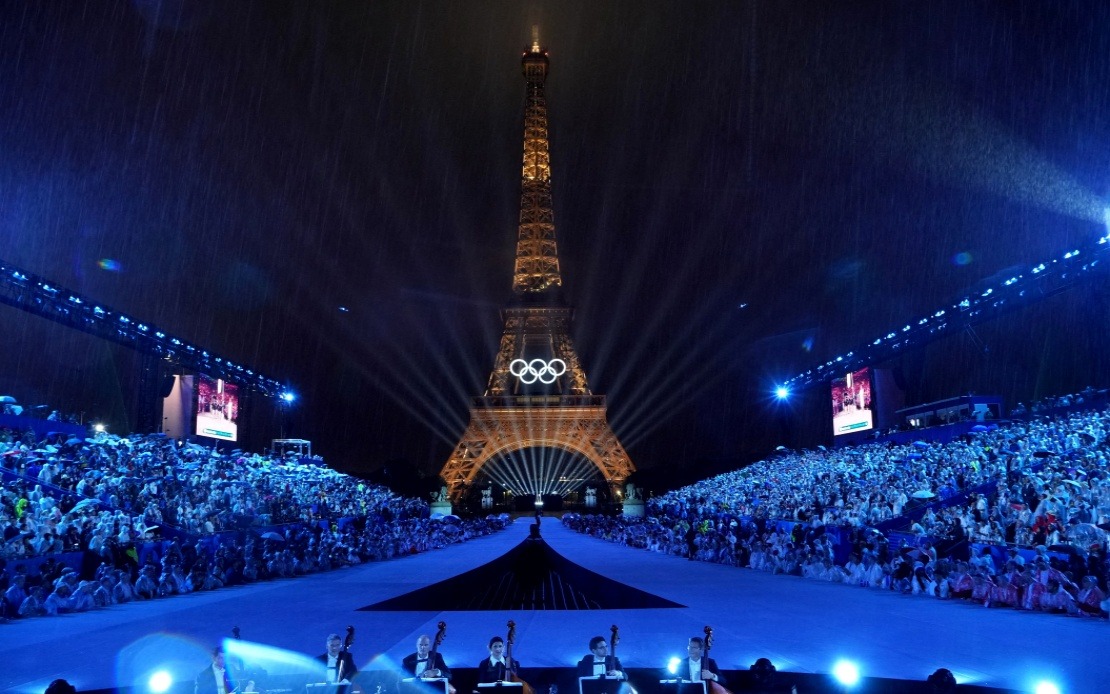
France is grappling with an exceptional heatwave that has forced some of Europe's most visited attractions to take extraordinary operational measures. On Tuesday, the Eiffel Tower became the latest casualty of the extreme weather, shutting its doors three hours ahead of schedule to protect the safety of both staff and tourists navigating the iron structure. The monument, which normally operates until 7.00 pm during summer months, ceased admissions at noon and closed entirely at 4.00 pm local time, a decision underscoring the severity of the meteorological conditions gripping the nation.
The unprecedented closure reflects growing recognition among French tourism operators that heat-related emergencies pose genuine risks to public welfare. According to Sete, the company responsible for managing the Eiffel Tower's operations, the decision was made after careful consultation with safety authorities. Visitors holding reservations for afternoon time slots, particularly those booked from 11.30 am onwards for stair access and noon for lift access, received automatic refunds without requiring additional claims. This proactive approach demonstrates how major attractions are adapting business models to climate extremes, a pattern likely to become more familiar across Europe.
The Louvre Museum, another global cultural treasure, has similarly announced abbreviated operating hours commencing Wednesday through Saturday of the following week. Rather than remaining open until 6.00 pm as standard during peak summer tourism season, the world's most visited museum will now close four hours earlier at 4.00 pm. The institution's management took this step after assessing forecasts indicating sustained extreme temperatures throughout the week. For Southeast Asian visitors planning journeys to Paris—a destination particularly popular with Malaysian and regional tourists—such disruptions warrant advance planning and flexibility when booking cultural activities.
Meteo-France, the nation's meteorological authority, has painted a stark picture of the weather emergency unfolding across the country. The national forecasting body warned that France would endure relentless heat through at least Thursday, with no significant respite anticipated during this period. In the capital itself, thermometers climbed to 36 degrees Celsius by mid-afternoon on Tuesday, yet meteorologists project conditions will intensify further. Wednesday is expected to bring even more dangerous conditions, with temperatures potentially reaching 38 degrees Celsius—a level that poses serious health risks, particularly for vulnerable populations including the elderly, young children, and those with pre-existing health conditions.
The geographic scope of the crisis extends far beyond Paris and its immediate surroundings. Meteo-France placed 54 departments across mainland France under the highest alert category—red alert status—on Tuesday alone. This designation indicates extreme danger and triggers mandatory public health protocols across affected regions. An additional 35 departments were classified under orange alert, the second-highest warning level, indicating serious concern though not yet the most critical threshold. This nationwide alert system demonstrates how comprehensively the heatwave has enveloped French territory, from Mediterranean coastal regions to northern plains.
For Malaysian and Southeast Asian observers, the closure of major tourist infrastructure due to heat provides a sobering reminder of climate change's practical implications. Unlike temporary disruptions caused by weather events such as thunderstorms or snow, heat-induced closures represent a new frontier in managing public spaces during extreme conditions. The decisions by Paris's iconic monuments reflect a growing acceptance that traditional operating hours and business models may require fundamental restructuring as global temperatures trend upward. Tourism boards and cultural institutions across the world are beginning to contemplate how they will maintain operations and visitor safety when ambient temperatures routinely exceed historical norms.
The economic ramifications of such closures, while not quantified in immediate reports, extend beyond the attractions themselves. Hotels, restaurants, and retail establishments throughout Paris depend heavily on the visitor traffic that monuments like the Eiffel Tower and Louvre generate. Early closures reduce foot traffic during peak hours and necessitate customer communication efforts that strain operational resources. Travel agencies throughout Southeast Asia will face inquiries from clients whose itineraries have been disrupted, requiring flexibility in rescheduling and compensation negotiations. The reputational impact on destinations becomes another consideration, as word spreads among international travelers about climate-driven operational challenges.
France's heatwave also raises questions about the adequacy of infrastructure and building design in older monuments. The Eiffel Tower, constructed in 1889, was never engineered with modern air conditioning or climate control systems. Its wrought-iron lattice structure, while architecturally distinctive and historically significant, offers minimal protection from direct sun exposure. Visitors ascending the monument on intensely hot days face cumulative thermal stress from both external heat and the physical exertion of climbing stairs or standing in crowded elevator cabins. Staff members managing crowds in such conditions confront occupational safety hazards that conventional workplace regulations may not adequately address.
The broader European context adds another layer of significance to France's current predicament. Southern European nations have periodically experienced heatwaves, yet the frequency and intensity of such events appears to be intensifying across the continent. When major tourism destinations in wealthy nations like France implement emergency closures, it signals to global audiences that climate adaptation has become not merely an environmental concern but a practical operational necessity. For Southeast Asian governments and businesses contemplating long-term resilience planning, observing how established tourism economies manage such crises offers valuable lessons about preparedness and contingency planning.
Public health authorities across France have simultaneously activated heat emergency protocols designed to protect citizens beyond tourist attractions. Healthcare facilities increase staffing and prepare for heat-related illnesses including heat exhaustion and heat stroke. Public transportation systems monitor conditions in vehicles lacking adequate air conditioning. Vulnerable populations receive outreach encouraging them to access cooling centers and remain hydrated. These coordinated responses illustrate how heatwaves trigger comprehensive societal adaptations extending far beyond tourist site management, affecting emergency services, transportation networks, and public health systems across entire regions.
Looking forward, the pattern established by France's major attractions suggests that international tourism will increasingly incorporate climate adaptation as a standard operational consideration. Visitors from Malaysia and throughout Southeast Asia planning European travel may need to adjust expectations about year-round accessibility to outdoor attractions, build flexibility into itineraries, and remain attentive to real-time weather updates and venue announcements. The closure of the Eiffel Tower and Louvre serves as a reminder that even the world's most iconic destinations remain subject to environmental forces that transcend human infrastructure and commercial imperatives.

