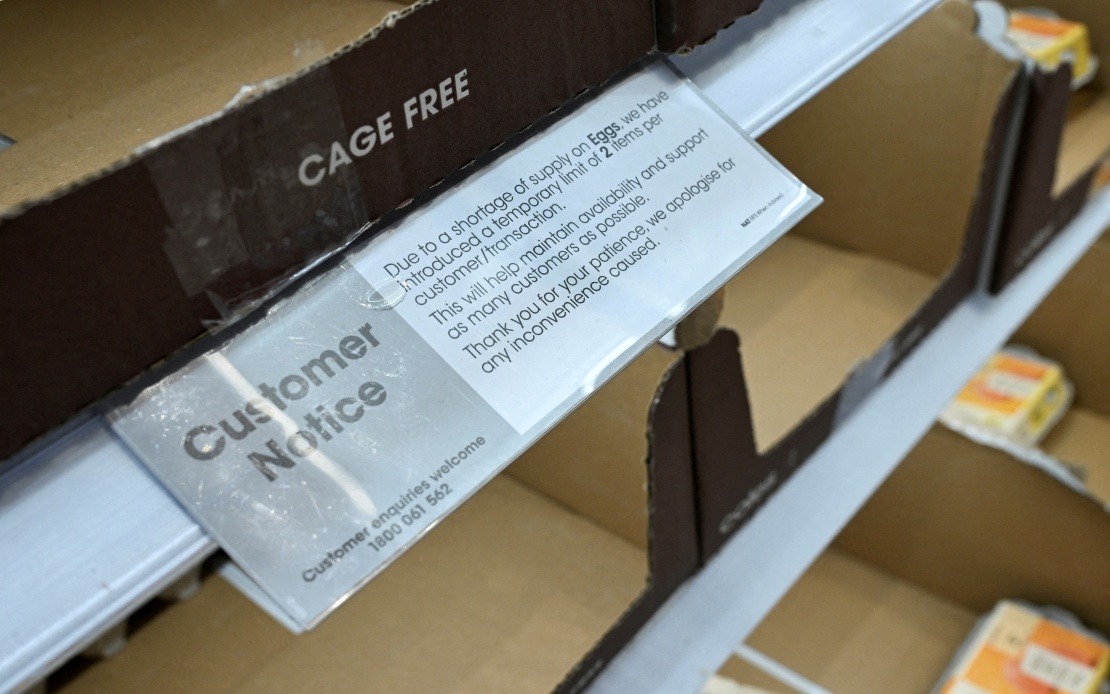
Papua New Guinea's agriculture authorities have imposed a comprehensive import ban on Australian poultry products and eggs in response to the confirmation of two deadly H5N1 avian influenza cases in Western Australia. The suspension, which took effect on Monday and was formally announced by Australia's Department of Agriculture, Fisheries and Forestry on Tuesday, marks a significant disruption to a major bilateral trade relationship that has been worth approximately A$60 million annually to Australian producers.
The detection of the high pathogenicity H5N1 strain in Western Australia has triggered immediate and far-reaching consequences across the region's poultry sector. Papua New Guinea's National Agriculture and Quarantine Inspection Authority responded swiftly to the news by implementing the suspension on all poultry meat, poultry products, and eggs sourced from Australia. This precautionary measure reflects the genuine health concerns surrounding avian influenza, which poses significant risks to both wild bird populations and domestic farming operations across Southeast Asia and the Pacific.
Australia's agricultural authorities have attempted to downplay the broader implications of the Western Australia cases, maintaining that the country continues to meet international standards established by the World Organisation for Animal Health. According to DAFF, Australia retains its status as free from H5N1 high pathogenicity avian influenza in poultry stocks, a designation that technically aligns with WOAH protocols. However, the rapid response from PNG authorities suggests that these international assurances carry limited weight when trading partners perceive direct risk to their own biosecurity.
Minister for Agriculture, Fisheries and Forestry Julie Collins acknowledged the trade tensions on Wednesday, confirming that the Australian federal government is actively engaging with Papua New Guinea to persuade officials to reverse the import suspension. Collins emphasised that authorities are maintaining vigilant surveillance over H5 bird flu detections in wildlife populations and working to provide reassurances to trading partners more broadly. Her comments underscore the delicate balance between managing genuine biosecurity threats and preserving critical export markets in the Pacific region.
Iningham's, Australia's dominant poultry producer, moved decisively on Monday to implement a complete operational lockdown across its entire Western Australian facilities. This extraordinary measure, undertaken voluntarily by the company, demonstrates the severity with which Australia's leading industry player views the avian influenza risk. Such comprehensive shutdowns are designed to create physical and operational barriers that prevent potential pathogen transmission, though the scale of the response reflects genuine concern about the vulnerability of intensive poultry operations to disease incursion.
The financial stakes involved are substantial for Australian agricultural exporters. In the 2023-24 financial year, Australia achieved record-breaking chicken meat exports totalling A$133 million, with PNG accounting for nearly 45 percent of that total at A$60 million. For a country with limited domestic poultry production capacity, this trade relationship represents a critical source of protein and a significant earner of foreign exchange. The suspension therefore poses immediate challenges not only for Australian producers but also for PNG consumers and food security planning.
The H5N1 outbreak in Western Australia enters a broader context of avian influenza concerns affecting multiple regions. Since the virus first emerged in poultry populations, it has spread across continents and adapted to various environments, with occasional spillover events into wild birds and, in rare cases, mammals. The detection of even two cases in a developed country with advanced biosecurity measures sends cautionary signals throughout the region, particularly to island nations and developing economies with less robust veterinary surveillance infrastructure.
For Malaysian stakeholders and the broader Southeast Asian trading community, the PNG-Australia situation illuminates the fragility of regional poultry supply chains and the speed with which trade disruptions can cascade through interconnected markets. Malaysia itself maintains significant poultry export operations and imports from various sources, making the precedent set by PNG's response highly relevant. If other nations in the region adopt similar precautionary stances following H5N1 detections, the implications for regional food security and agricultural trade could be far-reaching.
The suspension also raises questions about the adequacy of current international standards and communication protocols for managing avian influenza outbreaks in a trading environment. While WOAH guidelines attempt to distinguish between affected and unaffected regions within countries, the practical reality is that trading partners often adopt more conservative approaches when disease is detected anywhere within a supplier nation. This divergence between formal international standards and actual market behaviour creates ongoing tensions in agricultural trade negotiations and risk management strategies.
Australian authorities face the dual challenge of containing the Western Australia outbreak while simultaneously convincing PNG and potentially other regional trading partners that the broader Australian poultry sector remains secure. The success of this diplomatic effort will likely depend on demonstrated progress in isolating and eliminating the virus from affected facilities, along with sustained surveillance showing no further spread. In the meantime, Australian producers face immediate revenue losses and the prospect of prolonged market access restrictions that could extend well beyond the initial suspension period.
The incident underscores the interdependence of Pacific and Southeast Asian agricultural markets and the importance of coordinated regional approaches to biosecurity challenges. For PNG, the decision to suspend imports reflects a rational precaution but also carries costs in terms of food availability and consumer choice. For Australia, the situation presents both a short-term commercial crisis and a longer-term opportunity to demonstrate commitment to world-class animal health standards. The resolution of this dispute will likely establish important precedents for how other nations in the region respond to future avian influenza detections.

