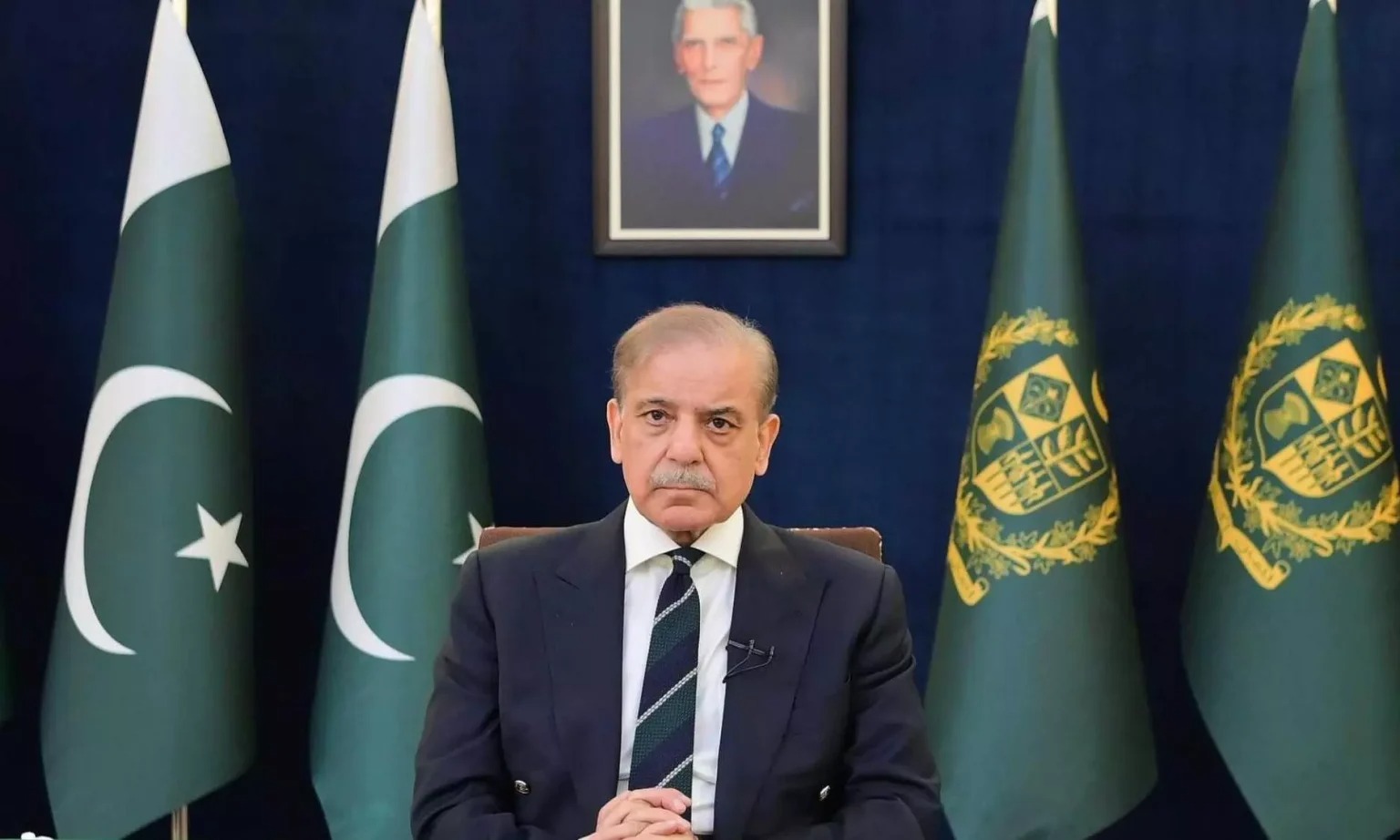
Pakistan's Prime Minister Shehbaz Sharif is set to travel to Iran to pay final respects to the country's Supreme Leader Ayatollah Ali Khamenei, whose funeral will take place in Tehran on July 4. The decision to send the nation's top political leader reflects the significance Pakistan places on its relationship with Iran, particularly at a moment when regional dynamics remain fluid and strategic partnerships carry outsized importance.
Forign Ministry spokesman Tahir Andrabi confirmed the diplomatic mission during a media briefing in Islamabad on Thursday, indicating that Sharif will formally convey condolences on behalf of both the Pakistani government and its people to the Iranian leadership and grieving families. This gesture carries symbolic weight in South Asian and Middle Eastern diplomacy, as attendance at state funerals by heads of government typically signals respect and the desire to maintain strong bilateral relations during periods of transition.
The funeral visit marks the beginning of a three-day foreign tour for Sharif, scheduled from July 3 to 5. Beyond Tehran, the prime minister has accepted an invitation from Turkish President Recep Tayyip Erdogan to conduct bilateral discussions in Ankara, highlighting how Pakistan intends to leverage the period surrounding Iran's leadership transition to advance its strategic interests across multiple regional partners. This itinerary demonstrates a calculated approach to diplomatic engagement, combining condolences with substantive policy conversations.
Sharing the diplomatic burden, Sharif will be accompanied by Deputy Prime Minister and Foreign Minister Ishaq Dar alongside several other cabinet ministers. The composition of this delegation underscores Pakistan's commitment to the visit and signals to both Tehran and Ankara that senior figures across Pakistan's governmental hierarchy view these engagements as priorities warranting their personal participation and attention.
India's representation at the funeral ceremony takes a notably different form, with New Delhi sending Bihar state governor Syed Ata Hasnain and deputy foreign minister Pabitra Margherita rather than its prime minister or foreign minister. This distinction in diplomatic representation levels reflects varying strategic relationships and domestic political considerations that each nation weighs when determining how to honour significant international occasions and maintain ties with influential regional actors.
The timing of these diplomatic missions arrives as Iran navigates a critical succession period following Khamenei's death, creating an opportunity for neighbouring and regional powers to reaffirm commitments and potentially reshape bilateral arrangements. Pakistan's decision to send its prime minister directly addresses this juncture, positioning the country as an engaged stakeholder in Iran's future trajectory rather than a passive observer.
For Pakistan, maintaining robust relations with Iran carries practical implications ranging from energy security to counterterrorism cooperation and trade corridor development. The country's geography makes Iran simultaneously a neighbour, a potential partner in regional infrastructure projects, and a player in South Asian geopolitics that cannot be ignored despite occasional tensions. Sharif's attendance therefore serves multiple audiences: domestic constituencies in Pakistan watching how their government navigates regional complexity, the Iranian establishment during a sensitive transition, and fellow South Asian nations observing Pakistan's diplomatic moves.
The subsequent visit to Turkey adds another layer to Pakistan's regional engagement strategy. Ankara has increasingly positioned itself as a bridge between different regional blocs and maintains its own intricate relationships with both Pakistan and Iran. Bilateral discussions between Sharif and Erdogan on regional matters suggest Pakistan seeks to coordinate positions on issues affecting mutual interests, whether related to Middle Eastern developments, Afghan stability, or broader Asian geopolitics.
These diplomatic movements occur within a broader context of shifting regional alignments in South and West Asia. Pakistan's careful attention to maintaining productive relationships across multiple regional powers—demonstrated through this sequenced approach to Iran and Turkey—reflects the complex balancing act required of nations positioned at the intersection of different spheres of influence and competing strategic interests.

