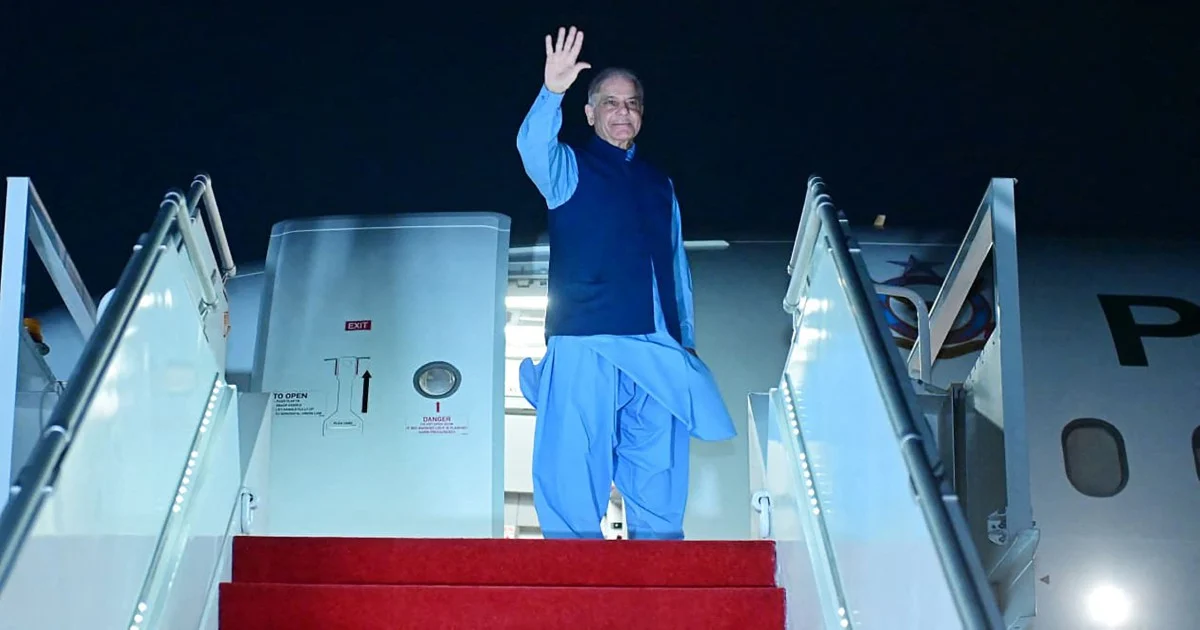
Pakistan's Prime Minister Shehbaz Sharif arrived in Switzerland on Sunday morning to take part in technical-level discussions between the United States and Iran, reflecting Pakistan's expanding diplomatic role in one of the world's most volatile regions. The move underscores Islamabad's commitment to facilitating dialogue aimed at reducing military tensions that have long threatened stability across the Middle East and beyond.
Pakistan's participation in these technical talks carries particular significance given the country's historical ties with both the United States and Iran, as well as its position as a major regional player in South and West Asia. For decades, Islamabad has navigated the complex geopolitical dynamics between Washington and Tehran, making it a natural intermediary in efforts to bridge divides through back-channel diplomacy. The presence of a Pakistani delegation at such high-level negotiations demonstrates that regional actors increasingly view direct military confrontation as economically and diplomatically untenable.
The technical nature of these discussions suggests that negotiators are moving beyond rhetoric and symbolic gestures toward practical mechanisms for conflict resolution. Such talks typically focus on specific operational issues, verification procedures, and implementation frameworks rather than broader political questions. Pakistan's involvement indicates that negotiators may be seeking expertise in humanitarian concerns, regional security arrangements, and the protection of civilian populations—areas where Pakistani officials have developed considerable experience through their own regional engagements.
For Malaysia and Southeast Asia, these developments carry important implications. Any de-escalation in US-Iran tensions could help stabilise global energy markets, reduce shipping risks in critical waterways, and lower defence expenditures across the region. The Middle East conflict has already disrupted supply chains affecting Southeast Asian economies, and continued tensions threaten further economic disruption. Malaysian policymakers will be watching these talks closely as they consider regional security positioning and economic vulnerabilities.
Pakistan's diplomatic initiative also reflects a broader trend among regional powers toward collaborative problem-solving rather than zero-sum competition. The decision to host technical-level talks in Switzerland, a traditionally neutral venue, indicates both parties recognise the need for structured, professional-level engagement away from domestic political pressures. Pakistan's role as a facilitator demonstrates that countries outside the immediate conflict zone can contribute meaningfully to peace processes by lending credibility and neutral ground.
The timing of these discussions coincides with growing international recognition that military escalation in the Middle East serves no party's long-term interests. Pakistan, itself burdened by decades of conflict, brings hard-won knowledge about the costs of sustained hostility. Decision-makers in Islamabad understand intimately how arms races drain resources from development, distort economies, and create security dilemmas that fuel perpetual cycles of tension. This experience likely informs Pakistan's advocacy for diplomatic solutions.
Technical talks, while less visible than high-level summits, often prove more productive because they focus on concrete issues rather than ideological positions. Pakistan's diplomatic corps can contribute on multiple fronts: discussing humanitarian corridors, civilian protection mechanisms, and verification protocols. Pakistani negotiators also bring understanding of how regional powers—including Saudi Arabia, the United Arab Emirates, and others—might support any peace agreement through economic cooperation and security guarantees.
The involvement of Pakistan in these discussions also signals potential shifts in how other regional actors perceive the conflict. If Islamabad commits diplomatic capital to facilitating talks, it suggests confidence that meaningful progress is possible. This perception alone can influence investment decisions, policy planning, and public sentiment across the region. Conversely, failure or breakdown of these talks would reinforce perceptions of intractable conflict, potentially encouraging new arms buildups and military planning.
For Malaysia and other ASEAN states, the success or failure of these technical talks could reshape the security environment that directly affects Southeast Asian interests. A sustained reduction in US-Iran tensions would reduce the likelihood of military confrontation in the Persian Gulf, lower global oil prices, ease maritime security concerns in strategic chokepoints, and free international diplomatic resources for addressing regional issues. Conversely, renewed escalation would intensify existing security anxieties and economic uncertainties.
Pakistan's diplomatic engagement also reflects Islamabad's recognition that its own stability and prosperity depend partly on broader regional peace. Border security with Afghanistan, counterterrorism operations, and economic development all suffer from regional instability emanating from Middle Eastern conflicts. By facilitating US-Iran technical discussions, Pakistan simultaneously advances its own strategic interests and contributes to international peace-building.
The technical focus of these Switzerland-based talks suggests they will concentrate on implementing practical measures rather than resolving fundamental political disagreements overnight. Pakistan's participation indicates these discussions may succeed or fail based on technical competence and professional diplomacy rather than grand political gestures. This approach offers genuine hope that incremental progress might eventually enable broader political negotiations.
As these talks unfold, Malaysian observers should note that Pakistan's diplomatic initiative demonstrates how regional powers can contribute to conflict resolution even when not directly involved in the dispute. Pakistan's experience navigating complex geopolitical terrain and managing competing external pressures provides a model for how regional states can advance their interests while contributing to broader stability. The outcome of these technical discussions may well shape not only Middle Eastern security but also economic conditions and strategic dynamics across Asia.

