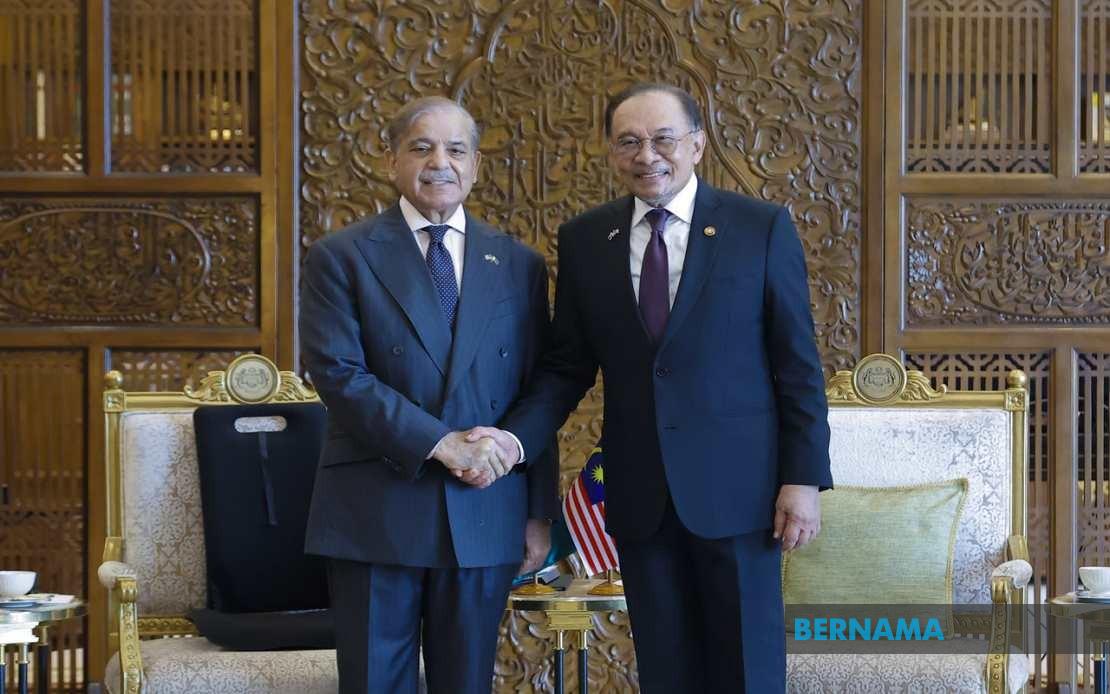
Pakistani Prime Minister Shehbaz Sharif has publicly expressed his hopes for a speedy recovery for Malaysian counterpart Datuk Seri Anwar Ibrahim, who underwent scheduled medical examinations and procedures on August 10. The gesture underscores the diplomatic warmth between the two South and Southeast Asian nations and their respective leaders, reflecting the importance both governments place on maintaining strong bilateral relations at the highest levels.
In a social media post on Monday, Sharif conveyed his personal wishes directly to Anwar, framing the sentiment as extending beyond mere political courtesy. The Pakistani leader emphasised that the entire Pakistani nation stood alongside him in offering prayers for Anwar's wellbeing and his swift return to full capacity in his official duties. This public expression of solidarity carries particular significance given the challenging circumstances both leaders have navigated in their respective roles, with each having faced substantial political headwinds in recent years.
According to a statement from Anwar's Senior Press Secretary Tunku Nashrul Abaidah, the Malaysian Prime Minister underwent a comprehensive series of medical examinations and procedures that had been specifically prescribed by his team of medical specialists. The nature and scope of these procedures were not detailed publicly, maintaining the privacy typically afforded to high-level government officials undergoing medical treatment. The decision to proceed with the medical intervention reflects proactive healthcare management by Malaysia's leadership.
The Malaysian Prime Minister's office indicated that Anwar would remain under medical observation for a two-day period following the procedures, a standard precautionary measure that allows medical professionals to monitor his recovery and address any immediate concerns. This timeframe suggests the procedures were sufficiently involved to warrant close post-operative supervision, though the government maintained confidentiality regarding specific medical details. The arrangement reflects responsible governance, ensuring the Prime Minister receives appropriate care while managing the continuity of government operations.
The exchange between the two leaders demonstrates the personal dimension of diplomatic relations between Pakistan and Malaysia. Both nations share historical ties rooted in Islam and shared democratic aspirations, and their respective leaders have cultivated a working relationship characterised by mutual respect and pragmatic cooperation on regional and international matters. Sharif's decision to publicly acknowledge Anwar's medical situation and offer his prayers speaks to the rapport between them.
From Malaysia's perspective, this moment underscores the country's standing within the broader Muslim world and its integration into networks of political and diplomatic support. Pakistan, as a major Muslim-majority nation and a significant regional power, maintains close ties with Southeast Asian countries, and Malaysia occupies a particularly important position in these calculations. The courtesy extended by Sharif reinforces the ties between Kuala Lumpur and Islamabad, which encompass trade, defence cooperation, and cultural exchanges.
The timing of these medical procedures and the surrounding diplomatic courtesies also highlight the demands placed on contemporary political leaders. Both Anwar and Sharif have presided over their nations during periods of substantial economic and political challenges, requiring extensive engagement with domestic constituencies and international partners. The public acknowledgement of health matters, while maintaining appropriate discretion, reflects a modern approach to leadership transparency that allows citizens and allies to remain informed without compromising personal medical privacy.
For Malaysian observers, the gesture from Pakistan's leadership carries reassuring implications about international support for the nation's leadership during a period of medical attention. The continuity of government operations remains assured through established constitutional frameworks and institutional mechanisms, yet such public expressions of solidarity from friendly nations contribute to a broader sense of stability and confidence in Malaysia's governance structures.
The exchange also reflects broader patterns in contemporary diplomatic practice, where world leaders increasingly utilise social media platforms to communicate directly with their counterparts and international audiences. Sharif's post on X demonstrates how leaders navigate the intersection of personal well-wishes and public communication, balancing privacy with the expectations of transparency and accountability that modern governance demands. Such moments, while seemingly routine in diplomatic life, reinforce networks of goodwill that underpin international relations beyond formal government-to-government channels.

