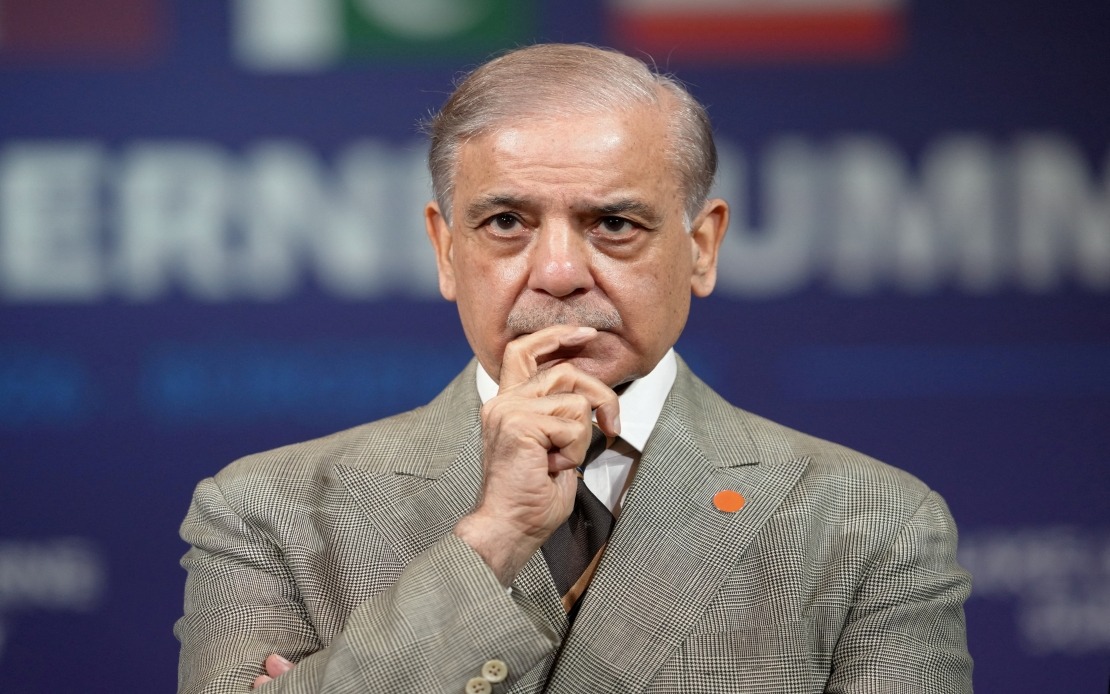
Pakistan and Türkiye have committed to substantially strengthening their economic relationship, with Prime Minister Shehbaz Sharif and President Recep Tayyip Erdogan sealing the pledge during high-level talks in Istanbul on Saturday. The visit represented a significant diplomatic engagement aimed at translating longstanding political ties into concrete commercial gains for both nations, signalling renewed momentum in a partnership that carries implications across South Asia and the broader Muslim world.
Beyond bilateral discussions with Erdogan, Shehbaz addressed a dedicated Pakistan-Türkiye business conference where major Turkish industrial players gathered to explore investment opportunities. The setting reflected both countries' recognition that achieving deeper economic integration requires direct engagement between government and private sector representatives. This structured approach underscores how Pakistan is attempting to leverage diplomatic channels to unlock foreign direct investment and technology transfer opportunities amid its broader economic stabilisation efforts.
The two governments have set an ambitious target of reaching $5 billion in annual bilateral trade, a figure that requires substantial scaling of current commerce flows. This goal encompasses multiple sectors, with energy, transportation, critical minerals, and digital technologies identified as priority areas for cooperation. Such diversification across different economic pillars suggests both nations recognise the need for resilient trade relationships that extend beyond traditional agricultural or manufacturing exports.
A particularly noteworthy initiative is Pakistan's proposal for a Pakistan-Türkiye digital corridor, which Shehbaz discussed with Turkcell chief executive Ali Taha Koc. This infrastructure project aims to enhance regional digital connectivity, facilitate secure cross-border data flows, and integrate digital systems across both nations. For Malaysia and Southeast Asia, such South Asian digital initiatives carry strategic significance, as they could eventually link with regional connectivity efforts and reshape how data and digital services flow through Eurasian markets.
The Pakistani delegation was notably comprehensive, featuring Deputy Prime Minister and Foreign Minister Ishaq Dar alongside cabinet members overseeing maritime affairs, power generation, petroleum resources, state-owned enterprise privatisation, information technology, and telecommunications. This broad ministerial presence at the business conference reflected Pakistan's determination to present multiple investment pathways and signal government-level commitment to removing bureaucratic obstacles for Turkish investors.
Turkish participation came from heavyweight industrial names, including the sprawling Koc Holding conglomerate, appliance manufacturer Arcelik, gas distribution firm Aygaz, and Demir Export. The presence of these established players suggests Ankara is prioritising substantial companies with capital and technological capacity rather than smaller ventures. Such calibre of Turkish business interest indicates genuine appetite for large-scale infrastructure, energy, and manufacturing projects in Pakistan.
Discussions reportedly focused on expanding cooperation across energy sectors, manufacturing capacity, mining operations, and industrial investment frameworks. Pakistan faces significant energy shortages that constrain economic growth, making Turkish expertise in hydrocarbon distribution and renewable energy particularly valuable. Similarly, Turkish manufacturing experience could assist Pakistan in upgrading industrial competitiveness and export capabilities, two areas critical to its medium-term development strategy.
For regional observers, this partnership gains importance as part of Pakistan's broader diversification of external economic relationships. Rather than relying solely on traditional partners or multilateral institutions like the IMF, Islamabad is cultivating strategic economic partnerships with middle powers that possess complementary strengths. Türkiye's position as a bridge between Europe and Asia, combined with its growing technological capabilities and manufacturing base, aligns well with Pakistan's development priorities.
The timing of Shehbaz's visit also reflects Pakistan's wider diplomatic positioning in a shifting geopolitical environment. By strengthening ties with Türkiye—a NATO member with independent foreign policy inclinations—Pakistan signals its commitment to maintaining relationships across different blocs and ideological alignments. This approach provides greater flexibility in pursuing national economic interests without overcommitting to any single strategic framework.
From a Southeast Asian perspective, deepening Pakistan-Türkiye economic ties merit attention as they could influence broader regional trade architectures. Enhanced connectivity between South Asia and the Eastern Mediterranean, potentially extending toward Europe, could redirect some trading patterns and create new competition or partnership opportunities for ASEAN nations. Digital corridor initiatives in particular represent early moves toward integrated Asian digital infrastructure that might eventually interconnect with Southeast Asian systems.
The Pakistani government's emphasis on critical minerals cooperation suggests recognition that supply chain competition for battery metals and rare earth elements will intensify. Türkiye, positioned between major mineral-rich Central Asian nations and European markets, could facilitate Pakistani access to strategic resources while supporting Turkish processing and refining operations. Such arrangements reflect how middle powers increasingly structure economic partnerships around emerging technological demands rather than traditional commodity exchange.
Implementing these ambitious pledges will require sustained follow-up, transparent investment frameworks, and addressing practical obstacles including currency stability, regulatory harmonisation, and infrastructure development. Both nations face substantial fiscal and macroeconomic challenges that could affect their capacity to fund major joint projects, though private sector involvement in energy and digital initiatives could help distribute financial burden.
As Pakistan continues recovery from economic pressures and seeks to attract portfolio flows and foreign investment, partnerships like that with Türkiye offer pathways toward economic diversification and enhanced regional integration. The success of these initiatives will partly depend on Pakistan's ability to implement institutional reforms and create predictable investment environments. Similarly, Türkiye's willingness to commit substantial capital and management expertise will determine whether announced targets translate into meaningful economic transformation.

