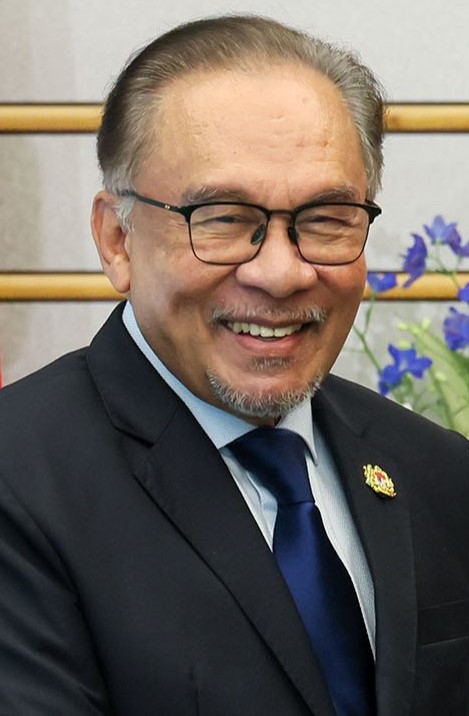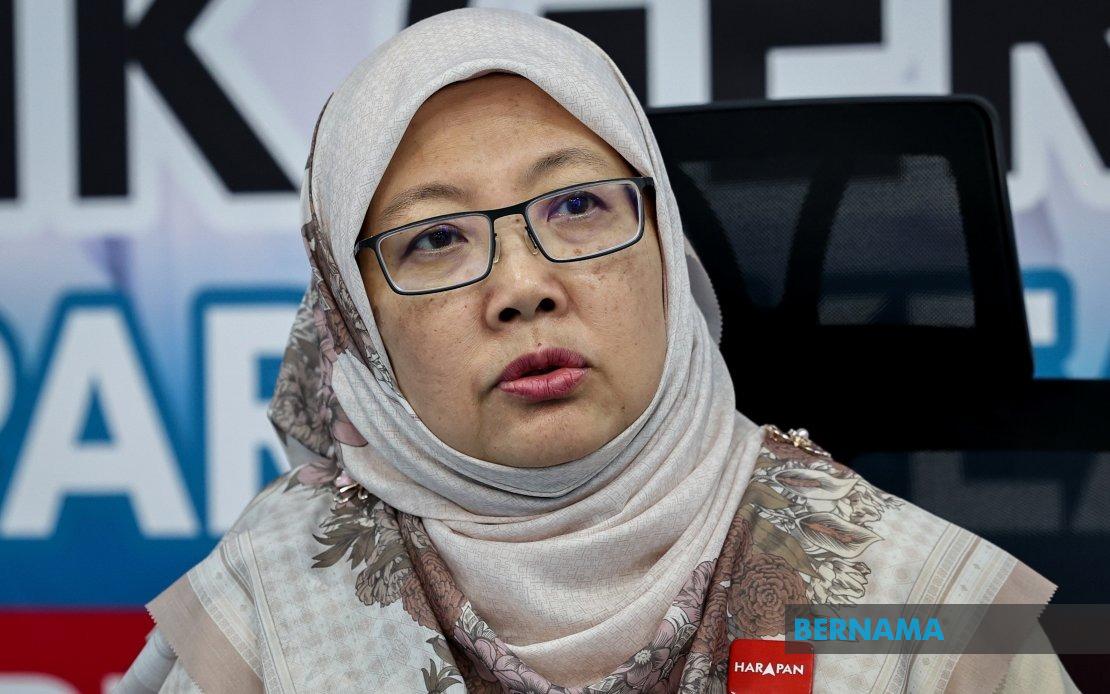
Pakatan Harapan's campaign machinery in Johor is preparing to roll out its full slate of candidates for the state election this coming Monday, according to Johor PKR chairman Datuk Seri Dr Zaliha Mustafa. The unveiling ceremony will serve as a public showcase of the coalition's aspirations for the southern state, bringing together the party's senior echelon including PH chairman Datuk Seri Anwar Ibrahim to signal the importance attached to Johor in the coalition's electoral calculations.
The timing of the announcement, just days before nomination papers are due on June 27, reflects careful campaign planning by the opposition coalition. By revealing candidates early, PH aims to build momentum ahead of the July 11 polling day, while also allowing voters in the 56 state assembly constituencies sufficient time to familiarise themselves with the party's preferred representatives. The staggered electoral calendar provides a window for last-minute campaigning efforts to take hold across the state.
Dr Zaliha indicated that PH has deliberately chosen to stage the announcement in Bukit Gambir, Tangkak or another venue in northern Johor rather than the state capital. This geographical choice reflects strategic calculation based on recent campaign activity. The coalition's extensive grassroots engagement in the northern corridor, particularly around Bukit Naning, has reportedly generated considerable enthusiasm, suggesting this region offers fertile ground for the opposition's expansion ambitions. By conducting the ceremony in this zone, PH seeks to capitalise on positive feedback gathered during previous community outreach programmes.
The process of selecting candidates has involved consultation spanning from grassroots branch committees through to state and national party leadership. This multi-tiered approach is designed to ensure chosen candidates possess genuine roots within their constituencies and have demonstrated tangible service to local communities. Rather than imposing candidates from above, the coalition has attempted to balance central party considerations with ground-level knowledge about who can effectively represent PH's agenda in specific areas.
Diversity represents a deliberate feature of PH's candidate profile for Johor. The coalition has intentionally woven together representation from various demographic and professional segments—including career professionals, younger generation politicians, female candidates, and individuals from different ethnic backgrounds. This inclusive approach aims to present a balanced ticket that reflects modern Malaysian society and counters any perception that PH represents narrow factional interests. The composition signals to voters that the coalition is serious about inclusive governance.
PH's seat allocation demonstrates the established hierarchy among coalition partners. The Democratic Action Party fields candidates in 17 of the 56 seats, reflecting its traditional strongholds in urban and semi-urban areas. PKR, the coalition's largest partner in Johor, contests 20 seats, concentrating efforts on constituencies where the party believes it can mount competitive challenges. Amanah, the third partner, fields candidates in the remaining 19 seats, particularly targeting areas with significant support bases or where it can effectively challenge rival Malay-based parties.
The coalition's strategic objective extends well beyond merely adding parliamentary seats to its cupboard. According to Dr Zaliha, PH enters the Johor contest with a concrete goal of capturing control of state government. This represents a significant ambition given that Barisan Nasional has historically dominated Johor politics as a regional stronghold. The shift from opposition posturing to government-formation aspirations reflects PH's assessment that the political landscape in Johor has shifted sufficiently to make state control a realistic proposition rather than mere aspiration.
This Johor election holds particular significance for Malaysian politics beyond the state's own administrative boundaries. As a major population centre and economic hub, Johor's electoral trajectory influences perceptions of broader political momentum. A strong performance would strengthen PH's narrative ahead of any future federal elections and validate the coalition's claim to represent viable national governance alternatives. Conversely, underperformance would provide ammunition to rival coalitions and potentially fragment PH's internal confidence.
The electoral calendar concentrates activity rapidly. With nominations closing on June 27 and early voting scheduled for July 7, voters and candidates have barely two weeks between the candidate announcement and early voting opens. This compressed timeline means the Monday announcement effectively kicks off the formal campaign period, even though informal electioneering has been underway for months. Candidates will have limited time to build constituency profiles and execute ground operations before voters cast ballots.
For Malaysian observers, the Johor election serves as a significant test case of opposition strength in a traditionally BN-dominated state. PH's willingness to contest all 56 seats—rather than ceding constituencies deemed unwinnable—suggests confidence in the coalition's organisational capacity and electoral prospects. However, the diversity of candidate selection and emphasis on community credentials also suggest the coalition recognises that victory requires not just party machinery but genuine local acceptance. The Monday announcement will reveal whether PH's ambitions for Johor rest on realistic assessments of ground conditions or optimistic projections.