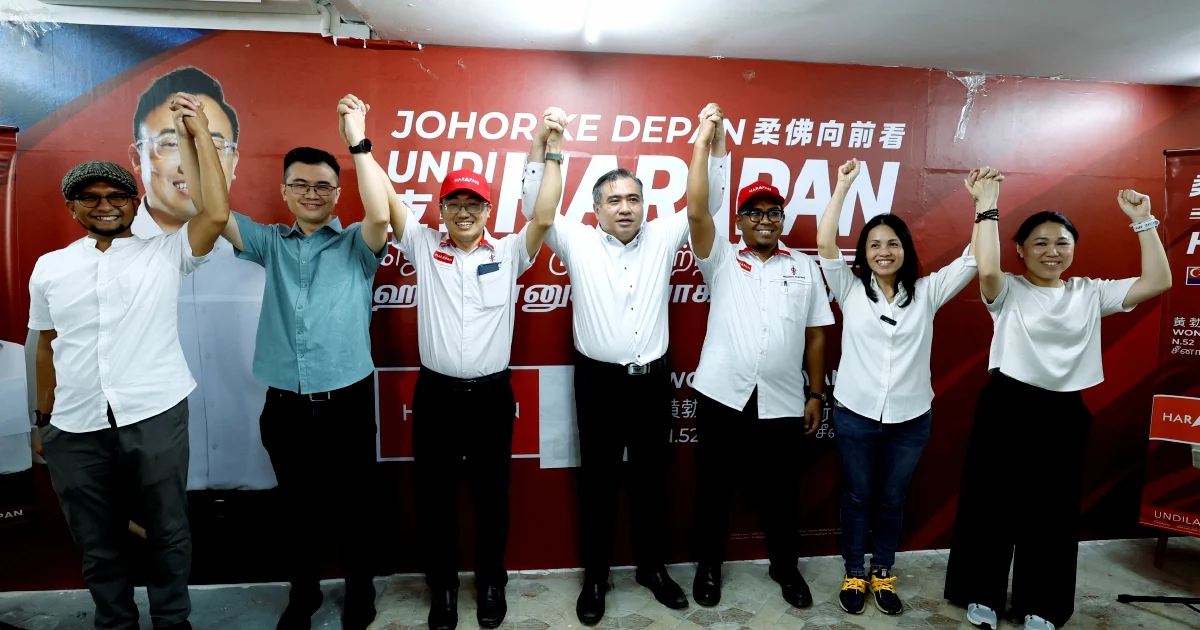
Pakatan Harapan's transport minister Loke Siew Fook has made clear that the coalition will not announce who will become Johor's next Menteri Besar until after it secures victory in the upcoming state election, signalling a deliberate strategy to keep the spotlight on campaign messaging rather than internal leadership succession. The decision to withhold the candidacy announcement reflects a calculated political move by the opposition coalition, which recognises that premature naming of a chief minister could distract from its electoral push or invite unnecessary scrutiny of the chosen individual before voters cast their ballots.
The determination to focus entirely on winning seats comes at a time when Malaysian opposition coalitions have learnt hard lessons about leadership transitions during campaign periods. By maintaining flexibility on the Menteri Besar question, Pakatan Harapan shields potential candidates from weeks of intense media examination and public debate that could unearth controversies or create rifts within the coalition's three partner parties—the Democratic Action Party, Amanah, and the People's Justice Party. This approach also prevents rival Barisan Nasional and Perikatan Nasional from weaponising the appointment announcement against Pakatan Harapan during the crucial campaign window.
Loke's statement underscores the coalition's recognition that the path to Johor's top administrative position runs directly through the ballot box. Johor has remained a contested state in recent years, with leadership changing hands multiple times as coalitions jostled for supremacy. The state's electorate has demonstrated a willingness to swing between opposing camps, making electoral victory far from guaranteed. By prioritising the fight to secure a majority in the Johor legislative assembly, Pakatan Harapan signals to voters that unity and focus on issues matter more than internal positioning games.
The decision to defer the Menteri Besar announcement also reflects practical considerations within coalition politics. The three parties that comprise Pakatan Harapan each command different constituencies and have competing claims to leadership roles. Without agreement already forged on who should lead if they win, announcing a single candidate prematurely could create resentment among disappointed parties whose own chosen figures were passed over. This internal delicacy is best managed away from public view during election season, allowing the leadership council to negotiate behind closed doors once victory is assured and coalition dynamics become clearer.
For Malaysian observers tracking opposition politics, this approach represents a departure from earlier practices where coalitions sometimes announced their chief minister candidate well before polling day. The shift suggests that Pakatan Harapan has absorbed lessons from previous campaigns, where early announcements occasionally proved divisive or allowed opponents to attack the character of named candidates during the campaign. By keeping the position open and contested only within coalition leadership structures, the coalition maintains unity in public messaging while reserving internal deliberations for after voting concludes.
Johor's political landscape has substantial significance for broader Malaysian politics given the state's size, population, and economic weight. Victory in Johor would substantially strengthen Pakatan Harapan's position nationally, potentially shifting the balance in federal politics if the state coalition apparatus could be leveraged for other campaigns. Conversely, retaining Johor remains a critical objective for Barisan Nasional, which still governs most Malaysian states despite its 2018 federal defeat. The stakes therefore extend well beyond choosing a single state administrator, making campaign discipline and focus all the more essential.
Loke's emphasis on winning first rather than settling leadership questions mirrors approaches taken successfully by other opposition movements internationally, which have learnt that coalitions perform best electorally when they maintain message discipline and present united fronts. The transport minister's public statement effectively communicates to Pakatan Harapan's grassroots supporters and party members that priority one is securing the electoral mandate, with all other considerations secondary. This messaging discipline helps prevent factional disputes from becoming public and demoralising the party machinery during the intense final days of campaigning.
The Malaysian electorate has grown increasingly sophisticated in punishing parties that appear overly focused on internal position-jockeying rather than delivering campaign promises or addressing voter concerns. By deferring the Menteri Besar decision until after election results are known, Pakatan Harapan demonstrates respect for voters by suggesting that their choices—not predetermined elite agreements—will determine who governs. This framing, whether intentionally conceived or not, resonates with anti-establishment sentiments that have animated Malaysian electoral shifts in recent years.
The coalition's leadership council, which will ultimately decide the Menteri Besar if Pakatan Harapan wins, comprises senior figures from all three partner parties and brings together diverse perspectives and interests. Allowing this body to make the decision post-election rather than in advance gives it better information on which of its potential candidates performed best during campaigning, which areas each commands strongest support, and which appointments might best position the coalition to govern effectively. The election results themselves often reveal aspects of voter preferences that inform leadership decisions, making post-victory appointments potentially more strategically sound than pre-planned selections.
For Malaysian political observers and the broader Southeast Asian region tracking opposition coalition dynamics, Loke's statement exemplifies how sophisticated political management requires patience and discipline during high-stakes electoral contests. The refusal to name a Menteri Besar candidate before polling day, while potentially frustrating observers seeking clarity, reflects hard-won understanding about how coalitions remain cohesive and competitive. By keeping focus laser-sharp on securing electoral victory and reserving leadership decisions for after the people have spoken, Pakatan Harapan positions itself to govern more effectively should it prevail, starting with appointments that reflect post-election political realities rather than pre-campaign calculations.

