Pakatan Harapan has made clear that it will defer entirely to the Sultan of Johor's constitutional discretion in selecting the next Menteri Besar should the coalition win the forthcoming state election. The position, long established in Malaysian constitutional practice, grants the ruler final authority over such appointments regardless of which party forms the government. This statement comes as social media speculation has swirled around potential leadership candidates within the PH camp, naming several figures as possibilities for the top state post.
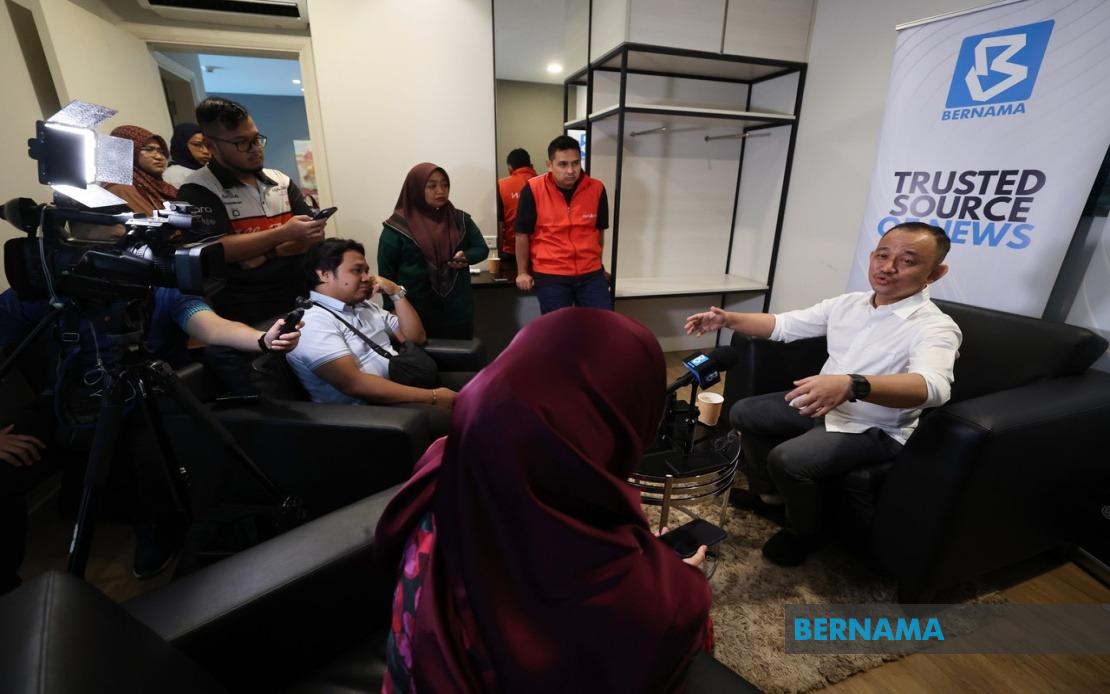
Dr Maszlee Malik, who is standing as the PH candidate for the Puteri Wangsa state seat, articulated the coalition's stance during an exclusive interview. He emphasized that PH has consciously avoided discussions about who might occupy the Menteri Besar position, preferring to keep the focus on the substantive work of governance and service delivery to ordinary Johoreans. This deliberate approach reflects a broader strategy to position the coalition as candidate-agnostic and outcome-focused rather than personality-driven.
The constitutional foundation for this position is worth understanding for Malaysian readers. The Federal Constitution and state constitutions vest in the constitutional monarchs significant powers over government formation and key appointments. While political conventions have evolved over decades, the formal legal authority remains with the ruler. This arrangement distinguishes Malaysia's system from Westminster models where the leader of the largest party automatically becomes premier. The recognition of this distinction by major political coalitions is therefore noteworthy and reflects institutional respect for constitutional boundaries.
Maszlee's comments directly addressed the online speculation that had identified him as a potential frontrunner for the position. Rather than fuel such discussion or attempt to position himself strategically, he redirected attention to PH's collective approach to the campaign. The move suggests confidence in the coalition's broader appeal while simultaneously avoiding the factional tensions that could arise if party leaders were seen jostling publicly for the top position. Such internal competition, particularly in a multiethnic state like Johor, could easily become divisive along community lines.
The coalition's emphasis on team-based governance reflects lessons learned from previous electoral campaigns. Rather than hanging success on individual personalities, PH is projecting an image of institutional strength distributed across a slate of 56 candidates contesting every seat in the state assembly. This "all in" approach signals confidence in the quality of candidates across different districts and different component parties within the coalition. It also reduces vulnerability to personal scandals or controversies affecting individual candidates.
For Johor voters assessing their options, this positioning carries implications. A coalition that emphasizes collective responsibility and defers key decisions to constitutional authorities may appear less decisive in the short term but potentially more committed to institutional stability. Conversely, parties offering specific leadership promises provide clearer signals about immediate direction, though such promises remain conditional on the Sultan's approval. The contrast between these approaches reflects fundamentally different philosophies about how political power should be exercised and by whom.
The timing of PH's clarification is strategically important. The 16th Johor state election is scheduled for July 11, with early voting occurring on July 7, meaning the campaign is in its final intensive phase. By explicitly addressing the Menteri Besar question now, PH aims to neutralize speculation that might otherwise consume campaign messaging and potentially create internal friction. The statement also serves to remind voters that the Sultan's role in government formation is not ceremonial but substantive and constitutionally grounded.
Johor's political context makes this deference particularly significant. The state has long been a political powerhouse in Malaysia, and its government formation has historically involved careful negotiation between elected leaders and the Johor Palace. The state's Malay-Muslim majority and the Sultan's substantial ceremonial and constitutional importance mean that respectful acknowledgment of royal prerogatives resonates across the electorate. Parties perceived as attempting to circumvent or minimize such respect risk alienating constituencies that view the institution as integral to legitimate governance.
Maszlee's framing of PH's 56 candidates as an "Avengers" lineup employs contemporary popular culture terminology to underscore the coalition's message of distributed strength. Rather than depending on a single superhero figure to save the state, the metaphor suggests complementary talents working in concert. This messaging approach targets younger voters familiar with the reference while broadly communicating that PH intends to govern through institutional mechanisms rather than individual dominance. Such differentiation matters in an election where voter choice turns partly on competing visions of how power should be organized and exercised.
The broader regional context adds perspective to PH's positioning. Across Southeast Asia, political coalitions increasingly emphasize institutional governance and constitutionalism as counterweights to what critics characterize as personalist or populist approaches. PH's deference to the Sultan's prerogative aligns with this trend toward reasserting constitutional frameworks and reducing informal concentration of power. For Malaysian readers navigating debates about governance quality and democratic health, such positioning signals where major political contestants stand on questions of institutional balance.
Looking ahead to the July 11 polling day, both the coalition's campaign messaging and the ultimate election outcome will test whether Johoreans value PH's team-based approach. The coalition's willingness to subordinate leadership speculation to institutional process may enhance its appeal among voters prioritizing stable, constitutionally-grounded governance. Simultaneously, some voters may prefer parties offering more explicit leadership visions. The election will reveal which approach resonates more powerfully with Johor's diverse electorate and what voters expect from their political leaders in an era of heightened debate about democratic institutions and constitutional governance.

