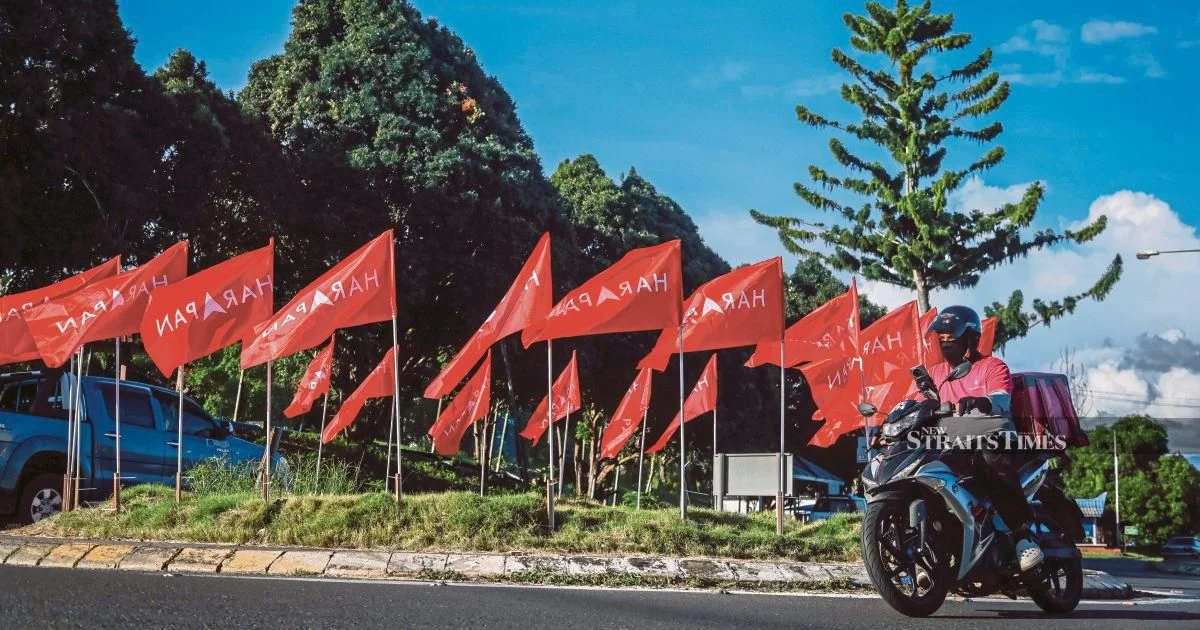
Pakatan Harapan has made clear it will not yield to mounting pressure from rival parties demanding an early announcement of its menteri besar candidate for the upcoming 16th Johor election, signalling the coalition's confidence in controlling the narrative on its own timeline.
The coalition's stance reflects a broader strategic calculation that announcing a candidate too far ahead of the election campaign could invite sustained attacks from the opposition, particularly Barisan Nasional and Perikatan Nasional, who have publicly called for transparency in PH's leadership succession plans. By maintaining flexibility on the timing of such an announcement, Pakatan Harapan aims to preserve momentum and avoid extended media scrutiny of its chosen candidate's record and policy positions.
Johor represents a critical test for Pakatan Harapan's political machinery in the southern region, where the coalition has been working to consolidate support following the 2022 federal election results. The state has historically been a Barisan Nasional stronghold, making any PH electoral gains significant for national political calculations and the coalition's credibility as a viable governing force across different regions and voter demographics.
The timing of candidate selection in Malaysian politics carries considerable weight beyond simple logistical considerations. Opposition parties typically use the gap between a candidate's announcement and election day to amplify criticism, organize counter-campaigns, and potentially unearth vulnerabilities that might not otherwise gain traction. By declining to announce prematurely, Pakatan Harapan effectively shortens the window available to rivals for such efforts, a tactical advantage in competitive electoral contests.
For Malaysian voters and observers, this situation underscores the calculated nature of modern political positioning in the country. The refusal to be pushed signals internal confidence within the coalition about its electoral prospects in Johor, even as it maintains operational security around its actual leadership choices. This approach also allows the coalition flexibility should circumstances change or should its preferred candidate face unexpected political or personal difficulties before the election.
The opposition's public demands for early disclosure appear rooted in assumptions about PH's relative weakness or internal divisions that might require visible pressure to force decisions. However, the coalition's composed response suggests it views its bargaining position differently and believes that rushing into announcements serves no strategic purpose. Instead, Pakatan Harapan appears content to let its track record and policy agenda form the basis of its electoral pitch rather than pinning hopes on an individual personality.
In broader Southeast Asian context, Malaysia's political evolution continues to feature intense competition between established coalitions and emerging political configurations. The Johor election will provide valuable data about voter sentiment toward Pakatan Harapan's governance model, particularly on economic management and delivery of state-level services that directly affect daily life. The coalition's composed positioning on candidate selection may reflect confidence that these substantive issues, rather than personality politics, will ultimately determine electoral outcomes.
For the millions of Johor voters preparing to cast ballots in the 16th state election, the ultimate choice of menteri besar candidate will matter significantly. However, the coalition's refusal to be stampeded into early disclosure also sends a message about respecting voters' right to focus on policy and governance rather than allowing extended personality-driven campaigns to dominate political discourse for months ahead of voting day.
The political dynamics around this issue also reveal something important about coalition management in contemporary Malaysia. Pakatan Harapan's united front on resisting external pressure suggests strong internal consensus on strategic direction, at least publicly. Whether such unity extends to actual candidate selection and the underlying negotiations between component parties—particularly DAP, PKR, and Amanah in the Johor context—remains less visible but potentially crucial for determining whether the candidate ultimately chosen commands sufficient party backing.
For political observers tracking Pakatan Harapan's evolution since returning to federal opposition after 2022, this measured approach to the Johor election contrasts with some earlier periods of apparent internal turbulence and scattered messaging. The coalition's ability to maintain discipline and present a coordinated front on strategic decisions could prove an important asset as it prepares for future electoral contests at state and national levels.
Ultimately, Pakatan Harapan's resistance to premature candidate disclosure reflects both tactical calculation and a broader assertion of coalition autonomy in determining its own political direction. Whether this approach yields electoral success in Johor will itself become a significant data point in assessing the coalition's overall political strategy and its prospects for future electoral contests across Malaysia.

