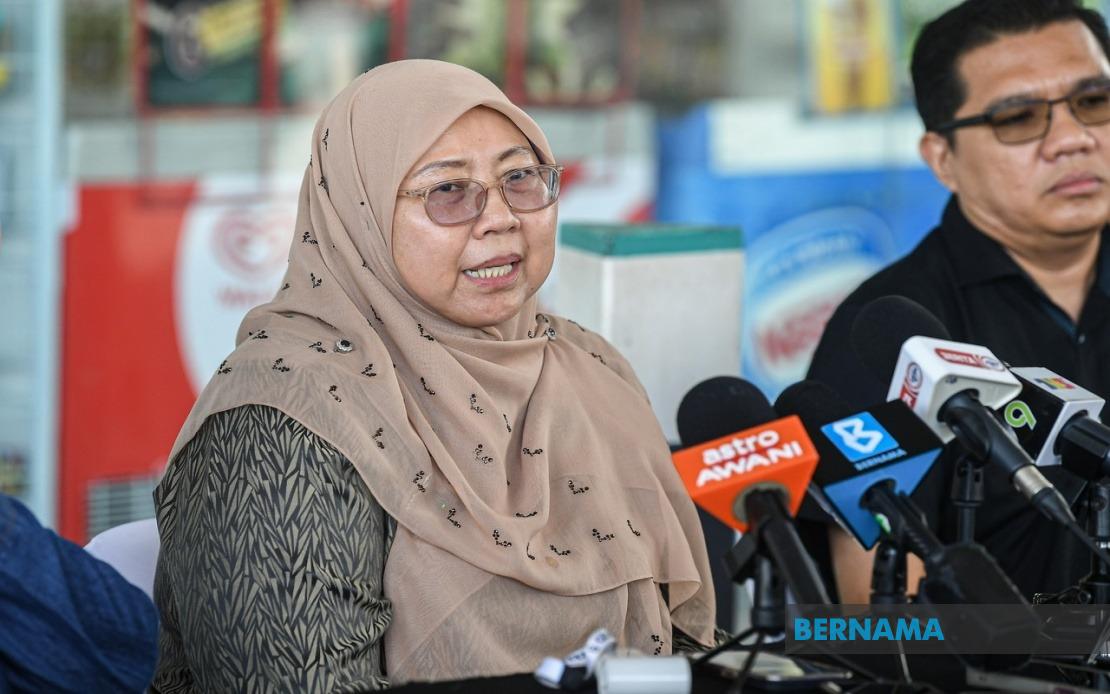
Pakatan Harapan's campaign machinery in the Johor state election is proceeding without significant disruption, despite a handful of reported sabotage attempts targeting campaign materials, PKR secretary-general Datuk Fuziah Salleh said on Tuesday. Speaking in Johor Bahru, Fuziah characterised the incidents—which included the removal and defacement of campaign posters, damage to billboards, and the burning of party flags—as minor disruptions that have failed to dent the coalition's electoral momentum as it heads toward the July 11 polling day.
The federal Deputy Minister of Domestic Trade and Cost of Living made her remarks during a press engagement held alongside a review of the Budi MADANI diesel subsidy programme at a petrol station in the state capital. Fuziah stressed that despite these isolated episodes, the overall campaign environment remains calm and disciplined, with no indication that grassroots enthusiasm among voters has wavered. She pointed to consistently positive feedback from the electorate, particularly among younger voters and first-time participants, as evidence that PH's messaging is gaining traction in constituencies across Johor.
Fuziah underscored the intensity of PH's ground operations, noting that party candidates have scheduled themselves with punishing daily routines that typically span from early morning to past midnight. The typical candidate manages upwards of ten separate campaign events daily, she explained, reflecting what she characterised as a comprehensive and well-coordinated effort to reach constituents in their communities. This aggressive deployment of human resources indicates confidence within the coalition about its competitive position heading into the final days before voting commences, with early voting scheduled for July 7.
The campaign landscape in Johor encompasses 172 candidates across the state's constituencies, marking the 16th state election cycle in Malaysia's southern gateway. The scale of PH's operational commitment—evident in both the frequency of candidate appearances and the breadth of constituency coverage—demonstrates a coalition determined to translate incumbent status at the federal level into tangible gains at the state level. Control of Johor would represent a significant symbolic and political victory for the ruling federal coalition, given the state's historical importance as a traditional political battleground and economic powerhouse.
When pressed about candidate announcements regarding local pledges in the Skudai and Perlis state seats, Fuziah drew a deliberate distinction between what she termed individual candidate commitments and a comprehensive party manifesto. She argued that candidate-level pledges addressing specific local issues such as waste management problems represent discrete undertakings to serve particular constituencies rather than overarching state policy frameworks. This clarification appears designed to manage expectations and prevent individual candidate statements from being misinterpreted as binding commitments of a future PH-led Johor state government.
Fuziah's emphasis on this distinction carries significance for how PH manages its electoral campaign messaging. By positioning candidate pledges as expressions of personal commitment rather than state-level policy, the coalition can accommodate a degree of variability in what candidates promise their constituents whilst maintaining central control over broader policy direction. This approach also allows the party to adjust or deprioritise specific commitments if circumstances change following a potential electoral victory, without accusations of breaking explicit manifesto promises.
The forthcoming official PH state election manifesto, scheduled for announcement on the day following Fuziah's press conference, is expected to articulate the coalition's comprehensive policy agenda for Johor should it emerge victorious. This document will presumably outline major infrastructure investments, economic development strategies, social welfare initiatives, and governance reforms that PH intends to pursue at the state level. The strategic timing of the manifesto launch—coming relatively late in the campaign cycle—suggests the coalition's confidence in its ability to shape the election narrative in its final phase without needing to rely exclusively on the manifesto as a defining campaign document.
The reported sabotage incidents, whilst individually minor, merit attention as indicators of campaign intensity and competitive dynamics in Johor. The targeting of physical campaign materials such as posters and flags suggests that rival political forces view PH as a sufficiently credible threat to warrant active counter-measures. Flag burning, in particular, represents a more confrontational form of political messaging than simple poster removal, indicating that emotions and stakes are running high in certain constituencies. However, the incidents appear scattered rather than coordinated, suggesting local-level tensions rather than a centrally orchestrated campaign of obstruction.
For Malaysian voters tracking the Johor election, Fuziah's reassurance about campaign momentum carries both literal and symbolic weight. The Johor state election functions as a significant testing ground for federal political dynamics, offering insights into whether PH's national coalition government enjoys sustained public support or whether electoral fatigue and local grievances are eroding its base. Strong performance in Johor could provide PH with momentum for subsequent state elections and potentially strengthen its negotiating position within the ruling coalition structure, whilst a disappointing result could embolden opposition parties and complicate federal-state political relationships.
The coalition's emphasis on youth engagement and first-time voter support reflects a deliberate strategy to build long-term political capital in constituencies where demographic composition is shifting towards younger age groups. If PH's claims about positive reception among these voters prove accurate, the Johor election result could signal broader generational shifts in Malaysian politics that extend beyond immediate electoral calculations. Conversely, if these claims prove overstated, it would suggest that PH faces deeper challenges in appealing to voters who lack direct experience with previous political administrations and base their choices on current performance rather than historical grievances or loyalties.

