Pakatan Harapan is adopting a defensive posture in 23 constituencies across Johor where Perikatan Nasional has chosen not to contest, recognising that the absence of PN candidates could trigger unpredictable voter behaviour that threatens to undermine the coalition's performance in marginal seats. The coalition's caution reflects a deeper concern about electoral fragmentation—a phenomenon that has become increasingly relevant in Malaysian politics following the fluid realignment of party loyalties witnessed since 2018.
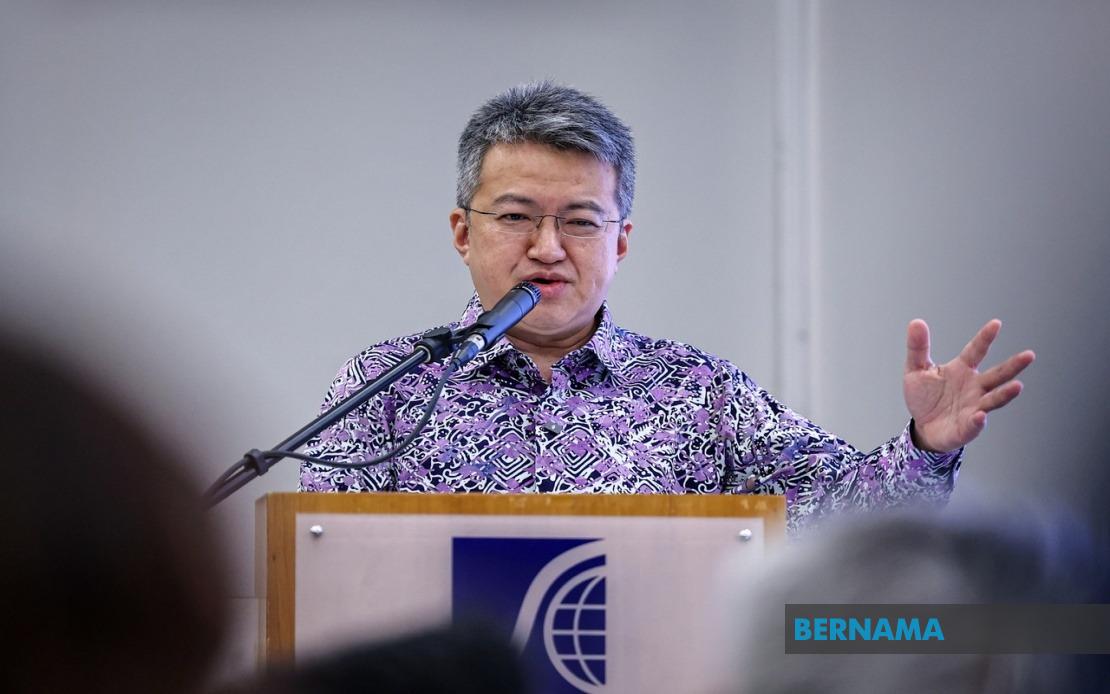
DAP Strategic Director Liew Chin Tong, who also serves as Deputy Finance Minister, articulated the core anxiety facing Pakatan Harapan's campaign machinery. The uncertainty surrounding where Perikatan Nasional supporters will direct their votes in these uncontested seats represents a significant tactical challenge, particularly for DAP candidates operating in constituencies where margins of victory may be measured in hundreds rather than thousands of ballots. This concern is not merely theoretical; previous elections have demonstrated that voters from a party sitting out a particular race do not automatically transfer support in predictable patterns, instead sometimes abstaining from voting altogether or backing alternative contenders.
The strategic vulnerability is compounded by the specific dynamics of DAP's position within Johor politics. As the most visible Chinese-majority component of the Pakatan coalition, DAP candidates are frequently the primary targets when opposition consolidation occurs or when voter defection accelerates. Liew's acknowledgement that "every election presents risks and possibilities that we may not anticipate" reflects the party's understanding that traditional swing voter calculations may not hold true when a coalition partner effectively withdraws from particular battlegrounds.
Liew emphasised that Pakatan Harapan's response to this uncertainty must centre on intensified grassroots mobilisation and substantive policy messaging. Rather than relying on assumptions about vote transfers from uncontested constituencies, the coalition intends to directly persuade voters through active campaigning and the presentation of forward-looking governance proposals. This approach suggests recognition that passive acceptance of support cannot be assumed; instead, every vote must be earned through demonstrable commitment to constituency-level development and broader policy frameworks.
The coalition has fielded what Liew characterised as a younger and more capable slate of candidates tailored to individual constituencies. This generational refresh reflects not only demographic trends within the electorate but also Pakatan's attempt to present a contrast with established alternatives. The emphasis on candidate quality and suitability becomes particularly significant in seats where electoral outcomes are genuinely competitive and where candidate performance during the campaign can plausibly shift voter sentiment.
Liew's personal decision to vacate the Perling state seat he secured in the 2022 Johor election embodies DAP's formal policy against office-holders simultaneously maintaining positions at parliamentary and state assembly levels. This principle, while reinforcing internal party discipline, also creates opportunities for leadership renewal. The former Senai assemblyman Alan Tee Boon Tsong has been designated as DAP's Perling candidate, inheriting a constituency with 109,992 registered voters and facing a three-cornered contest against Barisan Nasional's P. Pannir Selvam and Boo Wei Han of Parti Bersama Malaysia.
The Perling constituency exemplifies the competitive terrain across Johor. With three credible contenders and a substantial electorate, the seat represents neither a safe DAP position nor a Barisan Nasional stronghold, instead constituting precisely the type of marginal seat where voter behaviour in surrounding uncontested constituencies could indirectly influence outcomes through broader momentum and turnout patterns. The introduction of Bersama as a competitor further fragments the opposition vote, potentially benefiting the incumbent Barisan coalition if anti-government sentiment is distributed across multiple contenders.
Johor's electoral significance extends beyond state-level politics into national coalition calculations. Pakatan Harapan's performance across the state will offer crucial indicators regarding the coalition's capacity to maintain voter support in constituencies where traditional frameworks of political competition have shifted. The presence of 23 uncontested seats where Perikatan Nasional has stepped aside suggests either negotiated withdrawal—possibly reflecting broader coalition discussions—or tactical decisions by Perikatan leadership regarding resource allocation and electoral viability assessments.
The timing of this election occurs within a broader context of Malaysian political volatility. Regional patterns of voter behaviour established in recent years suggest that electorate sentiment remains genuinely changeable and responsive to both local developments and national political narratives. Johor voters have demonstrated willingness to shift between coalitions, making the state a genuine bellwether for understanding emerging electoral preferences across different demographic segments and geographic regions.
For Malaysian observers monitoring coalition politics, the Johor election serves as a testing ground for understanding how different opposition parties manage territorial competition and voter allocation. Perikatan Nasional's decision not to contest 23 seats could represent either strategic maturity—acknowledging that resources are better deployed in winnable constituencies—or alternatively suggest internal party calculations that reserve contest space for other coalition partners or reflect negotiations with Barisan Nasional regarding seat distribution.
The July 11 polling date arrives after an early voting period on July 7, procedures designed to facilitate participation among voters unable to attend standard polling stations. These logistical details matter because voter turnout patterns can significantly influence outcomes, particularly in marginal constituencies where the absolute number of votes cast may determine victory. Pakatan Harapan's campaign intensity leading to both early and standard voting periods will prove crucial for converting the coalition's organisational strength into actual electoral outcomes.
Pakatan Harapan's cautious framing should not be misinterpreted as defeatism; rather, it reflects strategic realism regarding an electoral environment where assumptions about voter behaviour have become increasingly unreliable. The coalition's emphasis on candidate quality, policy substance, and intensive campaigning represents a rational response to genuine uncertainty, suggesting that Malaysian politics continues to generate competitive surprises that defy conventional prediction models and demand adaptive, responsive political strategies from contending coalitions.

