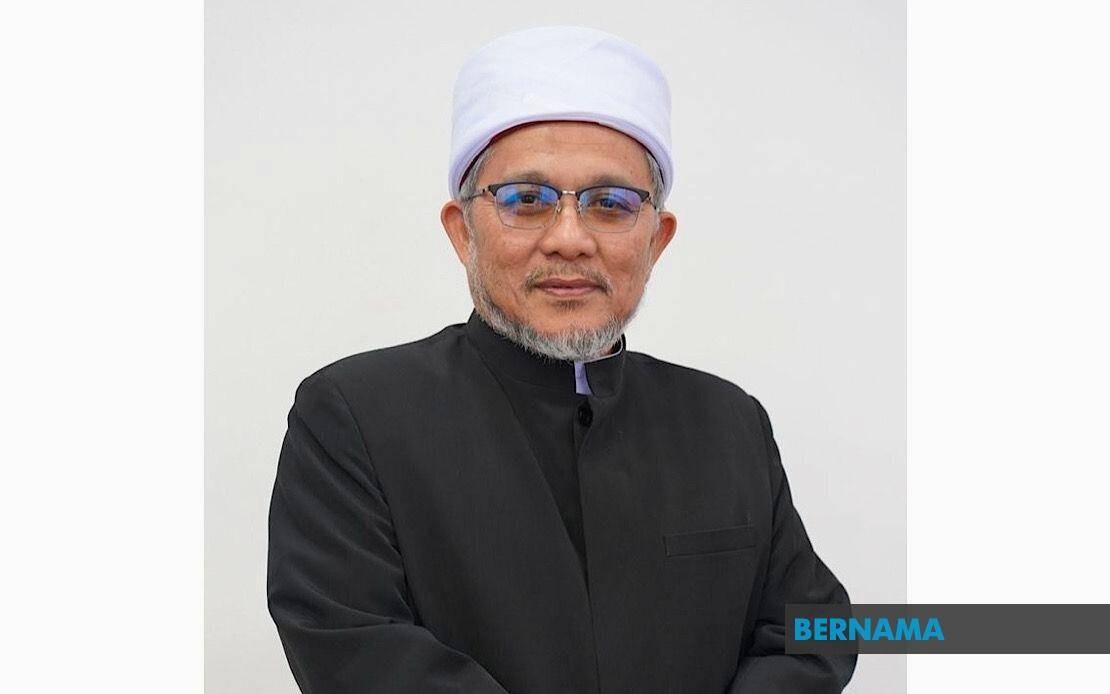
Pahang's religious authorities have formally reasserted the Sultan of Pahang's determination to maintain mosques and suraus as the cornerstone of Islamic worship in the state, in a significant statement that reflects broader tensions over the modernisation of prayer facilities across Malaysia. The Pahang State Mufti Department and the Pahang Islamic Religious and Malay Customs Council (MUIP) jointly announced the reaffirmation on July 8, underscoring the Sultan's position as the custodian of such institutions within the state's constitutional purview.
The statement, delivered by Pahang Mufti Prof Datuk Dr Asmadi Mohamed Naim, makes clear that the Sultan has considered and ultimately rejected proposals circulating among several Malaysian states to introduce Friday prayer facilities within shopping malls. This decision carries particular weight given recent positive reception to such initiatives in the Federal Territories, where shopping mall prayer venues have reportedly gained traction among certain communities. However, Pahang's stance differs markedly, prioritising what authorities describe as the maintenance of traditional, purpose-built religious infrastructure.
Central to the Sultan's decree is the assertion that MUIP holds exclusive authority over mosque and surau governance in Pahang as the institutional representative of the Sultan, a power derived directly from the Federal Constitution's Ninth Schedule, which designates religious matters as falling within state jurisdiction. This constitutional distinction proves crucial for understanding Pahang's position, as it emphasises that decisions regarding Islamic worship facilities remain firmly within state hands rather than falling to federal or commercial entities. The clarity of this jurisdictional line demonstrates the Sultan's intent to forestall any encroachment on state religious authority.
The Mufti's statement highlights that Pahang has already undertaken comprehensive planning to ensure mosque and surau distribution meets community requirements throughout the state. Authorities point to several significant facilities as evidence of this strategic development, including the Sultan Ahmad 1 State Mosque in Kuantan, the Tepian Putra Mosque, the Bandaraya Mosque scheduled for imminent opening, and the Al-Shafie Mosque located in Kota SAS. These establishments represent investments in dedicated religious infrastructure designed specifically to serve congregational needs across diverse areas of Pahang.
The theological and procedural requirements governing Friday prayers form another dimension of Pahang's reasoning. According to the Syafi'i school of Islamic jurisprudence, which predominates in Malaysia, Friday prayers must satisfy several stringent conditions that shopping malls would struggle to accommodate fully. These include performance only during the Zohor prayer period, mandatory attendance of at least 40 congregants, delivery of two sermons as integral components, and establishment at a designated venue without concurrent congregations in adjacent spaces. These requirements reflect centuries of Islamic tradition and suggest that informal commercial spaces cannot easily replicate the structured environment essential for such prayers.
The timing of Pahang's reaffirmation carries significance given the evolving landscape across Malaysia's states. Just days before the Pahang announcement, Minister in the Prime Minister's Department (Religious Affairs) Datuk Dr Zulkifli Hasan had publicly welcomed state-level initiatives to introduce Friday prayers in shopping malls, specifically citing positive responses from trial programmes in the Federal Territories. This ministerial endorsement created a permissive environment for other states to consider similar moves, making Pahang's firm rejection all the more notable as a deliberate counter to federal encouragement.
The divergence between federal sentiment and Pahang's stance reflects deeper questions about religious modernisation and institutional continuity in Malaysia. Shopping mall prayer facilities offer undeniable conveniences, particularly for urban workers and shoppers, addressing practical accessibility concerns. Yet Pahang's authorities have evidently concluded that accommodating these conveniences should not come at the expense of traditional mosque and surau prominence, and that existing facilities already provide adequate capacity for the faithful. This position prioritises institutional integrity and long-established practice over contemporary convenience.
For Malaysian readers, particularly those in Pahang, this development underscores the continued vitality of state-level religious governance and the willingness of state institutions to assert their constitutional prerogatives against broader national trends. The Sultan's decree demonstrates that religious policy in Malaysia remains multifaceted across different states, with each exercising distinct approaches according to local priorities and values. What succeeds as policy in the Federal Territories may find resistance elsewhere, reflecting Malaysia's federal religious architecture.
The broader implications for Southeast Asia's largest Muslim-majority nation are equally instructive. As Malaysia navigates modernisation pressures, questions of how to integrate contemporary lifestyles with traditional Islamic institutions persist. Pahang's response suggests that at least some state governments believe the answer lies not in relocating prayers to commercial spaces but in investing more substantially in dedicated religious infrastructure. This approach potentially signals a future direction for other states inclined to preserve mosque-centric worship cultures while still addressing the needs of an increasingly urban, mobile population through improved facilities rather than fundamental repositioning.
Looking forward, Pahang's position may influence how other states evaluate similar proposals, particularly those with strong sultanates maintaining close stewardship of religious institutions. The reaffirmation also demonstrates that despite federal encouragement of religious pluralism and adaptive practices, state authorities retain considerable scope to chart their own course, constrained primarily by constitutional provisions rather than national directives. This dynamic continues to shape Islamic governance across Malaysia in ways that resist simple centralisation.

