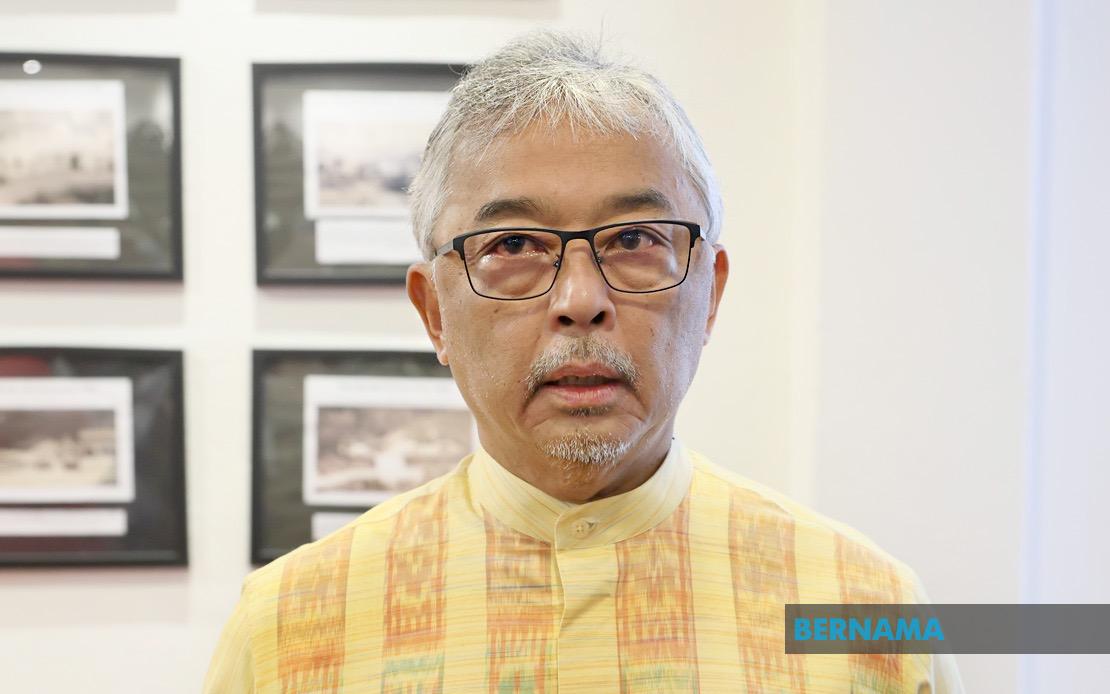
The Sultan of Pahang, Al-Sultan Abdullah Ri'ayatuddin Al-Mustafa Billah Shah, formally inaugurated the centennial commemoration of Sekolah Sultan Ahmad at the school's Pekan campus, underscoring the institution's enduring significance in Malaysia's educational landscape. The milestone event, held on July 25, drew attendance from the Tengku Ampuan of Pahang Tunku Azizah Aminah Maimunah Iskandariah and Tengku Mahkota Tengku Hassanal Ibrahim Alam Shah, reflecting the royal family's continued engagement with the institution's development and legacy.
In his remarks, the Sultan expressed gratitude to the organisers and contributors whose efforts made the celebration possible, whilst positioning the occasion as more than ceremonial remembrance. His statement underscored the importance of public-private collaboration in sustaining educational institutions, particularly those with deep historical roots and established track records in producing graduates of national consequence.
The ruler elaborated on his personal commitment to education as a transformative force, particularly for marginalised student populations. Rather than focusing solely on academic rankings or elite outcomes, Al-Sultan Abdullah highlighted targeted interventions addressing inequality within the education system. His remarks centred on initiatives designed to support students from economically disadvantaged backgrounds and those struggling academically, reflecting a recognition that sustainable national development requires inclusive educational access.
These royal initiatives have yielded measurable results, with approximately 1,000 students from underprivileged and lower-performing cohorts successfully transitioning to tertiary education. This figure is significant for understanding the scale of impact such targeted programmes can achieve when adequately resourced and strategically implemented. The transformation in learning outcomes demonstrates that supportive frameworks, rather than competitive filtering, can unlock potential in students who might otherwise remain locked out of higher learning pathways.
Sekolah Sultan Ahmad itself represents a crucial chapter in Malaysia's institutional history, having been established in 1926 under its original English-medium nomenclature as Government English School. The century-long operational span reflects continuity through multiple political, educational, and social transitions, from the colonial period through independence and into contemporary Malaysia. Few secondary institutions can claim such longevity or relevance across such vastly different eras.
The school's alumni roster testifies to its formative influence on Malaysian public life and governance. Notable graduates include Tun Khalil Yaakub, who held senior positions in Malaysia's administrative and political structures, and Tan Sri Jamaluddin Jarjis, a prominent figure in national politics until his death. Tan Sri Sidek Hassan, another distinguished alumnus, contributed significantly to Malaysia's development trajectory. These alumni exemplify the calibre of leadership the institution has cultivated, suggesting that Sekolah Sultan Ahmad functioned not merely as an academic establishment but as a crucible for developing future decision-makers and influencers.
For Malaysian educators and policymakers, the centenary carries instructive implications about institutional resilience and adaptation. Schools that survive a hundred years—encompassing dramatic shifts in medium of instruction, curriculum frameworks, governance models, and student demographics—necessarily develop organisational flexibility and cultural depth. Sekolah Sultan Ahmad's persistence suggests mechanisms for maintaining relevance whilst remaining rooted in established pedagogical principles.
The royal patronage evident in this celebration also illuminates the role of institutional endorsement in education. When ruling monarchs publicly champion specific schools and educational approaches, they signal governmental commitment to those models and help sustain public confidence in institutions facing pressure from newer, privately-operated alternatives. This is particularly consequential in contexts where secondary education competes for student enrolment and parental investment against increasingly diversified educational options.
Furthermore, the Sultan's emphasis on supporting disadvantaged learners addresses a persistent challenge in Malaysian education: ensuring that economic circumstances do not predetermine educational outcomes. While Malaysia has achieved relatively high overall literacy and secondary enrolment rates, quality gaps persist between well-resourced and under-resourced institutions, and between student populations with different family economic backgrounds. Royal advocacy for programmes bridging these gaps carries symbolic weight that can influence policy prioritisation and resource allocation across the education sector.
The broader context of Sekolah Sultan Ahmad's centenary also reflects on the role of heritage institutions in contemporary education. As Malaysian schools increasingly adopt international curricula, embrace digital pedagogies, and compete globally for academic standing, institutions like Sekolah Sultan Ahmad serve as anchors connecting students to national educational traditions and institutional continuity. Celebrating such schools publicly communicates that heritage and innovation need not be mutually exclusive—institutions can honour their founding missions whilst evolving to serve changing needs.
Looking forward, the anniversary milestone positions Sekolah Sultan Ahmad at a critical juncture. The school's demonstrated capacity to support disadvantaged students through targeted initiatives offers a model potentially scalable across the national school system. However, sustaining such work requires ongoing financial commitment, skilled educators, and protection from pressures to privilege only academically elite cohorts—challenges that will intensify as education becomes increasingly marketised and competition for resources intensifies.
The Sultan's public elevation of educational equity and his institution's centennial thus converge at a moment when Malaysian education policy must deliberate fundamental questions about inclusion, accessibility, and the purposes schools serve beyond credential production. Sekolah Sultan Ahmad's next century will likely be shaped by whether institutions and policymakers can sustain the inclusive commitments emphasised during this celebration, translating royal rhetoric into consistent resource allocation and institutional practice.

