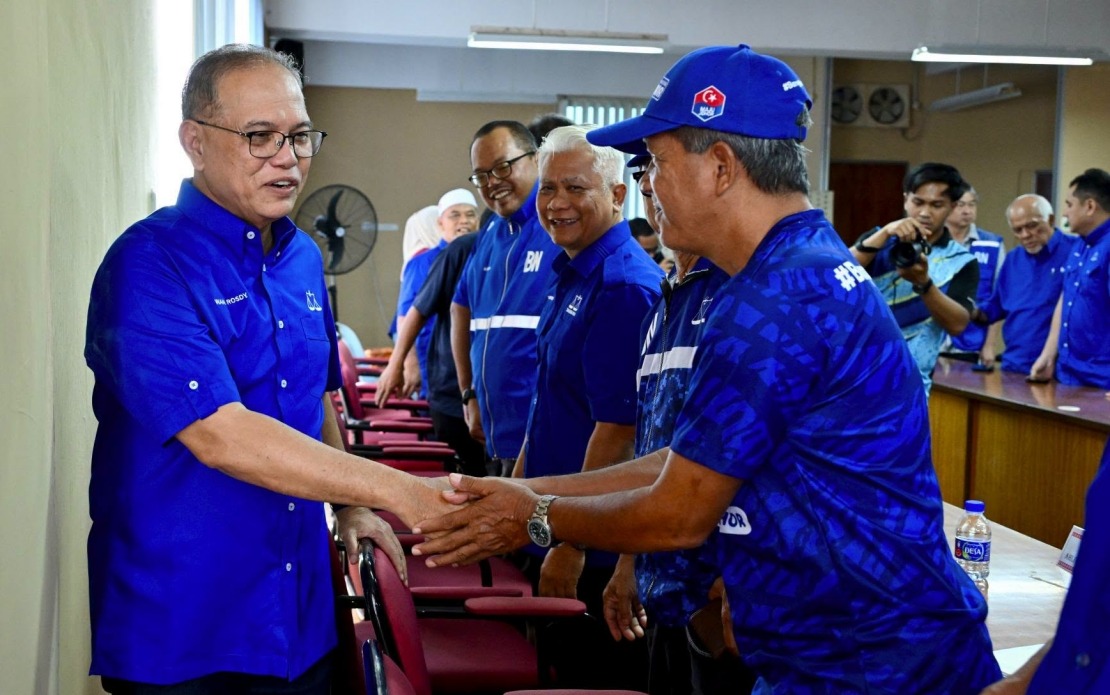
Pahang's Barisan Nasional machinery is throwing its weight behind the Johor state election campaign, with senior party figures pledging to assist in four strategically important constituencies as the coalition seeks to maintain its dominance in the southern state. The coordinated cross-state support highlights the scale of BN's operational capacity and the integrated approach major coalitions employ during competitive electoral contests in Malaysia's federal structure.
Datuk Seri Wan Rosdy Wan Ismail, who serves as both Pahang's Menteri Besar and the state BN chairman, disclosed the deployment strategy while addressing the media at an education-focused government ceremony in Kuantan on June 30. The assistance is concentrated on four state seats—Pekan Nanas, Pulai Sebatang, Benut, and Kukup—which all fall within the Tanjung Piai parliamentary constituency, a significant administrative and electoral district that has attracted intense political competition.
The targeting of these four constituencies reflects careful strategic calculation by BN planners, who have identified them as pivotal battlegrounds where additional campaign machinery and organisational support could swing outcomes. Rather than spreading resources thinly across all 56 contested seats, the coalition has adopted a focused approach that concentrates personnel and campaign infrastructure where they judge returns will be highest. This reflects modern electoral strategy in Malaysia, where data-driven seat selection increasingly determines how national and state-level parties allocate their human resources.
Wan Rosdy personally confirmed his intention to travel to the FELDA settlements in Segamat on the Thursday following his announcement, underscoring the hands-on engagement of high-ranking party leadership. FELDA communities represent a traditionally important voter demographic for BN, and direct cultivation by state leaders signals the coalition's determination to secure these rural and semi-rural constituencies. The visit reflects both the importance these areas hold and the personal political investment senior figures are willing to make during campaign periods.
The Menteri Besar expressed considerable optimism regarding BN's prospects in the overall Johor election, citing both the organisational vigour he personally witnessed during his three-day presence in the state following nomination day and feedback from constituent voters. Wan Rosdy noted that BN candidates displayed robust enthusiasm for their campaigns and genuine commitment to public service, elements he views as crucial foundations for electoral success. His confidence reflects broader BN perspectives, though state elections in Malaysia frequently produce competitive results that defy predictions made before polling.
The electoral contest itself is substantial in scale. A total of 172 candidates across multiple political parties and coalitions are competing for the 56 available state assembly seats. This high candidate-to-seat ratio indicates intense competition, with candidates from BN, Pakatan Harapan, and potentially independent or smaller party contenders all vying for voter support. The multi-candidate nature of these contests means that even narrow vote shares can determine winners, making seat-specific campaign concentration strategically rational.
Johor's state election carries significance extending beyond the state itself. As Malaysia's third-most-populous state and a major economic contributor, Johor election results receive national attention and are frequently interpreted as barometers of broader political sentiment. A decisive BN victory would reinforce the coalition's recovery narrative following previous electoral challenges, while a more competitive result might signal shifting voter preferences in major states. The upcoming July 11 polling date provides a concrete focus for campaign activities in the intervening days.
The logistical coordination required for cross-state campaign assistance demonstrates the organisational infrastructure that established coalitions like BN maintain across Malaysia's thirteen states. Pahang's deployment to Johor represents the kind of inter-state party solidarity that larger coalitions routinely mobilise during competitive elections. Such movements of campaign personnel and resources are standard practice, though they also require careful coordination to ensure resources are not withdrawn from each state's own political priorities.
For Southeast Asian observers of Malaysian politics, the Johor election illustrates enduring patterns in coalition politics within federal systems. Despite significant changes in Malaysia's political landscape in recent years, established parties continue to leverage state-level structures and cross-state networks during contests. The participation of Pahang's BN machinery in Johor's campaign reflects both the interconnectedness of Malaysia's federal political system and the continuing importance of traditional party organisations in electoral competition.
Early voting opportunities, scheduled for July 7 according to electoral commission protocols, will precede the main polling day and typically allow certain demographic groups including those with work or mobility constraints to cast ballots. The existence of this early voting window adds another dimension to campaign strategies, as parties seek to maximise turnout among their identified supporters before the principal polling date arrives. The four weeks between the June 30 announcement and July 11 voting represent an intensive campaign period during which such cross-state support becomes most valuable for ground-level operations.

