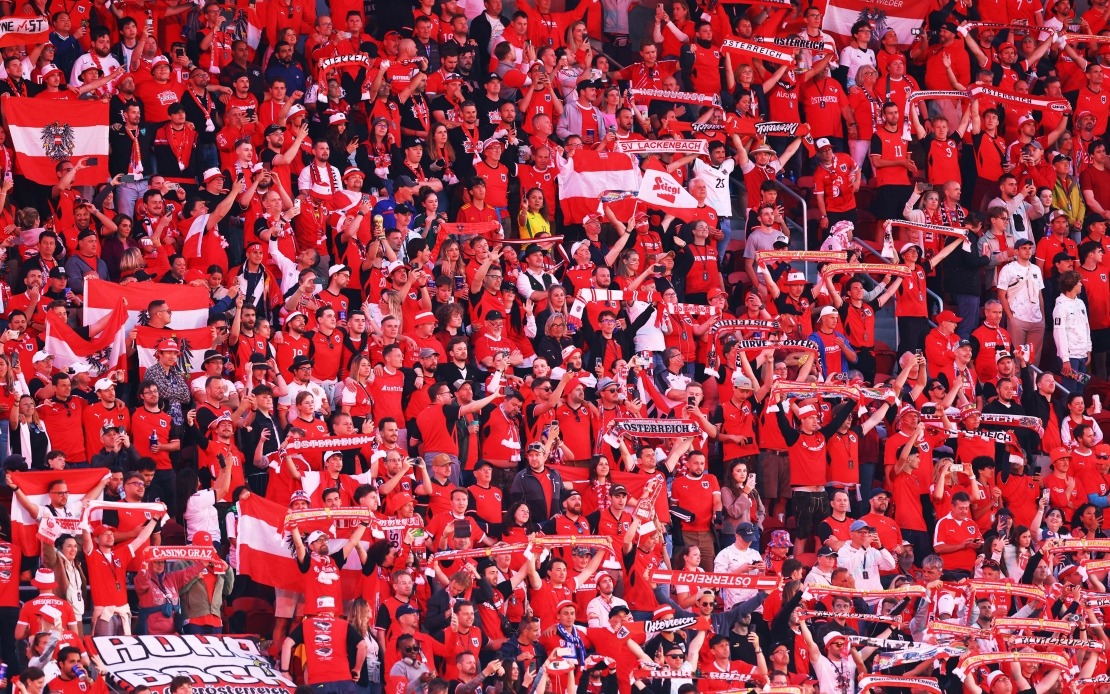
The FIFA World Cup in North America has drawn impressive crowds in its opening phase, with the global football governing body confirming that attendance exceeded one million fans across the first 16 matches. According to FIFA's official figures released on June 17, a total of 1,028,429 spectators filled the stadiums through Monday, representing a 99.34 per cent capacity rate that suggests strong public interest in the tournament despite earlier apprehensions about ticket accessibility and affordability.
The attendance milestone carries particular significance given the pre-tournament discourse surrounding ticket pricing strategies. In the weeks leading up to the finals, industry observers and fan groups had raised alarm about elevated costs that might deter ordinary supporters from attending matches. These concerns appeared validated when visible gaps were spotted during the South Korea versus Czech Republic encounter in Guadalajara and the Qatar against Switzerland fixture in the Bay Area, California, both of which showed noticeably sparse sections in otherwise full stadiums.
Yet the aggregate figures tell a different story, indicating that despite pockets of empty seating at certain venues, overall attendance has remained robust. FIFA president Gianni Infantino underscored the tournament's success by sharing a social media moment with Aaron Bren, identified as the one millionth attending fan. In his Instagram post, Infantino expressed gratitude to supporters, describing the competition as the most inclusive World Cup ever staged, though this characterisation now faces scrutiny from safety advocates.
The attendance data masks a more troubling issue that has captured the attention of supporters' organisations across Europe. Football Supporters Europe, a significant advocacy body representing fans across the continent, has publicly flagged serious concerns about the absence of conventional segregation measures at matches. According to Ronan Evain, the group's executive director, the lack of physical or organisational separation between rival fan groups represents a departure from established security protocols at major tournaments.
Evain highlighted to BBC Sport that FIFA's approach to ticket distribution has compounded the problem. By aggressively promoting ticket sales and permitting resale through secondary markets, the organisation has created an environment where the identity and location of ticket holders becomes difficult to track. This opacity fundamentally undermines the ability of security personnel to anticipate and manage potential flashpoints between opposing supporters, particularly in volatile matchups where historical rivalries or political tensions could ignite.
The risk that Evain identified carries real-world implications. When fans from competing nations are unable to be easily distinguished or separated by stadium staff, the circumstances exist for spontaneous confrontations that could escalate beyond the control of security forces. This concern becomes especially acute in a tournament spanning multiple North American cities, where security protocols and stadium infrastructure may vary significantly, and where local law enforcement agencies may have limited experience with international football crowd dynamics.
FIFA has sought to address these criticisms by pointing to the structured arrangements it maintains for the most committed supporters. The organisation notes that the most loyal fans from each participating nation receive guaranteed allocations through the participant member association (PMA) system, which creates dedicated seating blocks for home and visiting supporters. This ring-fenced approach ensures that the most passionate and potentially volatile supporters are geographically cordoned off from one another, reducing the likelihood of accidental hostile encounters.
However, Football Supporters Europe's argument suggests that this partial segregation strategy is insufficient given the scale of ticket distribution through open and resale markets. When substantial numbers of supporters acquire tickets outside the PMA system, those individuals occupy seats that may place them adjacent to opposing fans, thereby creating the very conditions that traditional segregation protocols were designed to prevent. The absence of reliable mechanisms to monitor this secondary market distribution means that security planners cannot effectively predict where rival supporters will concentrate within stadiums.
For Malaysian and Southeast Asian audiences following the tournament, these developments carry implications beyond the immediate context of North American venues. ASEAN nations increasingly host major sporting events and aspire to attract global tournaments, and the operational challenges emerging from this World Cup provide valuable lessons about the balance between commercial objectives and safety imperatives. The tension between FIFA's commercial strategy—which maximises revenue through ticket flexibility and resale—and the security requirements of managing international football crowds illustrates a fundamental challenge in modern sports governance.
The opening phase attendance figures represent a positive indicator for tournament organisers and broadcasters, suggesting sustained global appetite for the World Cup despite the competition's expansion to 48 teams. Yet the simultaneous emergence of safety concerns demonstrates that high attendance alone does not guarantee a successful tournament. As matches progress and competition intensifies, maintaining order within increasingly diverse and unpredictable crowds will require vigilance and adaptability from both FIFA and local authorities across the multiple host cities, particularly when knockout stages introduce higher emotional stakes and fiercer rivalries.