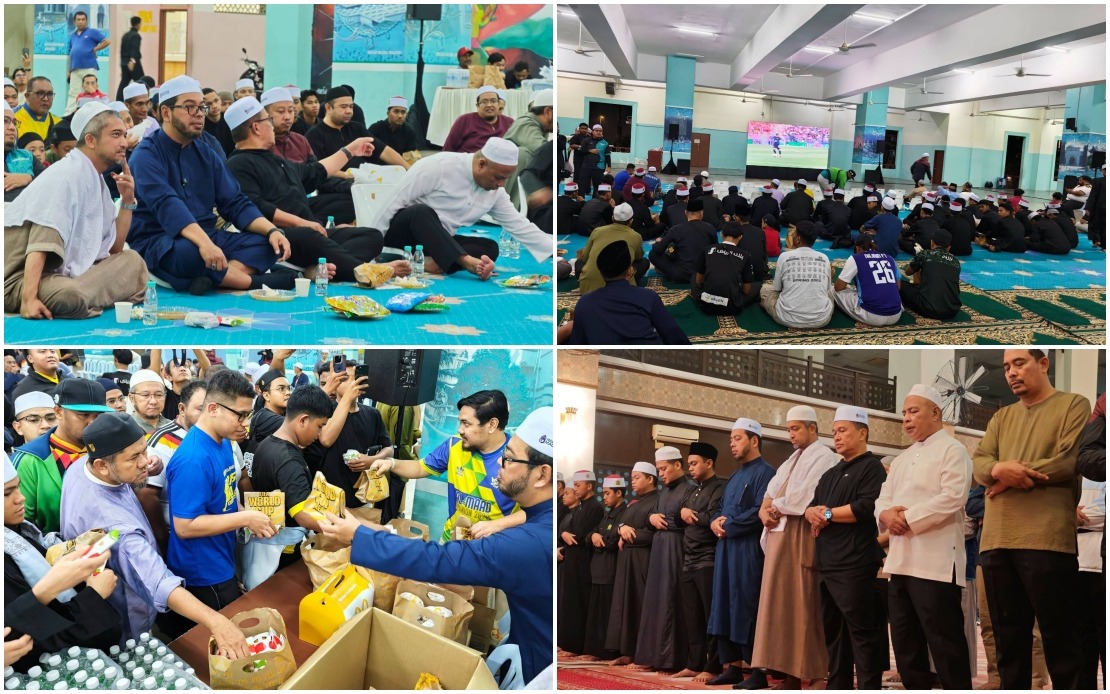
More than 300 young worshippers arrived at Masjid Usamah bin Zaid in Wangsa Maju well before sunrise on June 21, gathering for a pre-dawn Qiyamullail prayer session before settling in to watch a World Cup match. The initiative represents a contemporary approach to religious engagement, deliberately weaving the widespread passion for football among youth with meaningful spiritual activities. Officials view the programme as a practical demonstration that religious and recreational interests need not compete—instead, they can complement one another within a carefully structured environment.
Dr Zulkifli Hassan, Minister in the Prime Minister's Department (Religious Affairs), highlighted the significance of the gathering. He emphasised that young Malaysians' documented enthusiasm for football could become a vehicle for deeper spiritual connection when appropriately channelled. Rather than dismissing or discouraging youth interest in sports, the minister suggested that integrating such interests into religious settings acknowledges contemporary realities while maintaining focus on faith-based objectives. This perspective reflects a broader shift in Malaysian Islamic outreach strategies, moving away from positions that pit worldly and spiritual concerns against each other.
The sporting centrepiece of the gathering was the 2026 World Cup Group E encounter between Germany and Ivory Coast, which concluded with a 2-1 triumph for the Germans. The match selection itself warranted consideration—scheduling a major international football fixture alongside spiritual observance required coordination and planning to ensure neither activity overshadowed the other. The pairing demonstrated that religious institutions could accommodate contemporary entertainment while preserving their primary spiritual mission.
During the interval, two prominent figures from Malaysian football shared their tactical insights with the assembled audience. Shahril Arsat, the national football legend, and Khushairi Aizad, a former Selangor FA President's Cup player, provided detailed analysis of the match proceedings and the strategic approaches deployed by both teams. This expert commentary enriched the viewing experience, transforming a casual match screening into an educational opportunity. The presence of such recognised figures also elevated the event's profile, signalling that football analysis and religious observance inhabited compatible spaces.
The gathering drew significant official attendance, underscoring governmental backing for the initiative. Datuk Nizam Yahya, chief executive officer of the Federal Territories Islamic Religious Council (MAIWP), and Datuk Ajib Ismail, deputy director-general of the Malaysian Islamic Development Department (JAKIM), both participated actively. Beyond their supervisory roles, both officials contributed hands-on support by assisting Dr Zulkifli and the Federal Territories Mufti in preparing roti canai for the assembled worshippers' breakfast. This direct involvement by senior officials conveyed institutional commitment to the programme's success and demonstrated that faith leadership extended beyond ceremonial functions to practical engagement with congregants.
The breakfast preparation itself carried symbolic weight. Rather than merely providing sustenance, the involvement of high-ranking religious officials in food preparation fostered personal connection between leadership and participants. For the predominantly young audience, witnessing senior figures performing hands-on service normalised accessibility to religious leadership and reinforced messages about humility and community service embedded within Islamic teaching.
Organising such an event required unprecedented coordination across Malaysia's religious and community infrastructure. The Federal Territories Mufti Department, JAKIM, MAIWP, and the Federal Territories Islamic Religious Department (JAWI) provided institutional framework and authority. The Malaysian Islamic Dakwah Foundation (YADIM) and Malaysian Islamic Economic Development Foundation (YAPEIM) contributed expertise in religious outreach and Islamic principles. Angkatan Belia Islam Malaysia (ABIM), representing youth-focused Islamic activism, and the Persatuan Menembak Agama (PMA) brought community engagement experience. The mosque management coordinated logistics, whilst food sponsors addressed practical catering requirements.
This multi-institutional collaboration reflected recognition that contemporary youth engagement demanded sophisticated, coordinated approaches. No single organisation possessed the complete toolkit necessary to blend spiritual observance, entertainment, leadership presence, and community infrastructure. By pooling resources and expertise across government agencies, religious bodies, youth organisations, and private sponsors, planners created an environment where the event's multiple objectives could flourish simultaneously.
For Malaysian religious authorities, the initiative holds implications extending beyond a single evening's gathering. It demonstrates feasibility of reimagining mosque spaces as venues for diverse community activities whilst preserving their sacred character. As urbanisation accelerates and youth migration patterns continue reshaping Malaysian demographics, religious institutions increasingly compete for young people's attention and loyalty. Events successfully bridging spiritual practice with recognised contemporary interests—particularly those as universally compelling as international football—suggest pathways for maintaining religious relevance among younger generations.
The programme also addressed concerns amongst some religious communities about youth disengagement from traditional worship practices. Rather than attributing declining participation to inevitable secularisation, organisers demonstrated that restructured programming could attract and maintain youth involvement. The early morning timing, whilst traditionally associated with Qiyamullail observance, acquired additional appeal through the promised World Cup screening, potentially introducing young attendees to night-time prayer practices they might otherwise never experience.
For Malaysian football enthusiasts, the event represented something equally novel: formal religious endorsement and integration of their sporting passion. Too often in religious discourse globally, sports consumption faces criticism as distraction from spiritual priorities. By hosting a major match screening within a mosque and securing participation from senior religious officials, Malaysian authorities signalled nuanced acceptance of football's cultural significance whilst insisting it remain contextualised within broader faith commitments.

