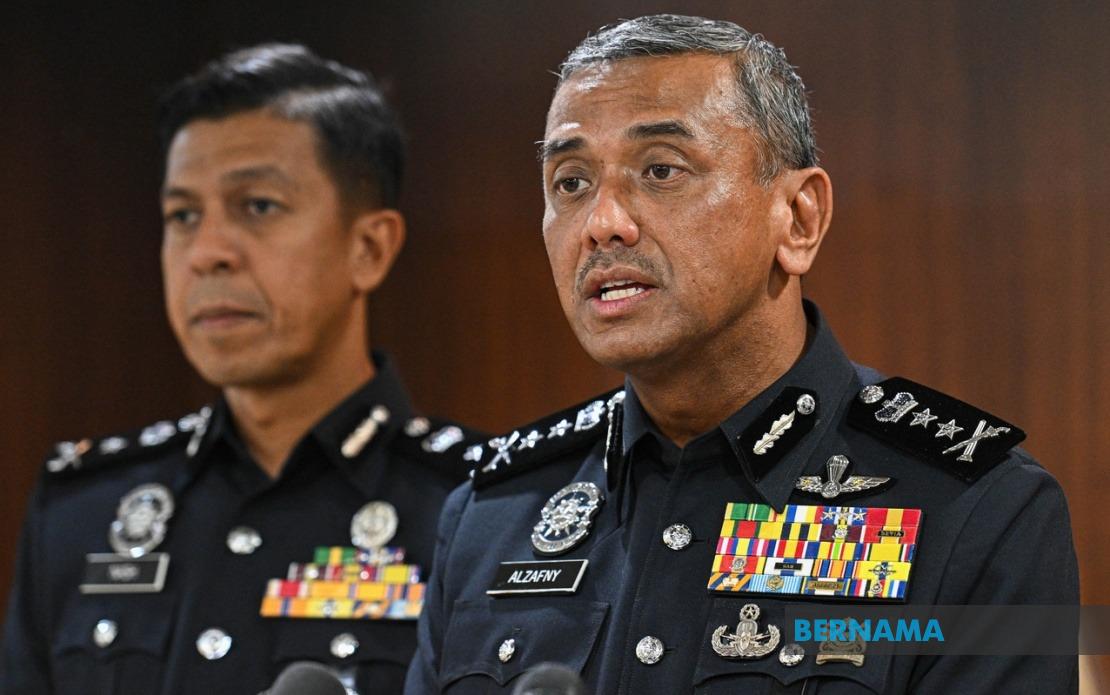
Negeri Sembilan's security forces are preparing for large-scale early voting participation in the 16th state election, with more than 22,000 police and military personnel and their spouses scheduled to cast ballots on July 28. The Police Chief Datuk Alzafny Ahmad disclosed that the contingent comprises 5,455 Royal Malaysia Police (PDRM) officers and personnel alongside 16,884 Malaysian Armed Forces (ATM) members and their families eligible for the advance polling mechanism.
The electoral calendar for Negeri Sembilan compresses key dates into a concentrated timeline. Nomination day falls on Saturday, followed by early voting four days later on July 28, with the main polling scheduled for August 1. This compressed schedule requires coordinated deployment of security personnel across multiple phases. Early voting itself necessitates 1,796 officers and personnel stationed across all polling zones, representing a significant commitment of state security resources to facilitate the process smoothly.
Beyond the early voting phase, police preparedness extends throughout the entire electoral cycle. The nomination day will see 2,393 uniformed personnel on duty, ensuring orderly candidate registration. During the official campaign period, which runs between nomination and polling day, 1,685 security personnel will maintain presence and order. The final deployment of 4,788 officers on polling day underscores the comprehensive security posture surrounding the electoral exercise.
Datuk Alzafny's remarks to media representatives emphasised the critical importance of maintaining electoral integrity and social harmony. The police chief directly appealed to all contesting political parties to exercise discipline and restraint among their supporters throughout the campaign period. This advisory addresses recurring concerns in Malaysian electoral contests where enthusiasm from party bases occasionally translates into conduct that strains public peace and orderly process.
The police department has identified specific prohibited conduct that extends across multiple communication channels and platforms. Political speeches, campaign materials, formal media statements, and social media content are all subject to enhanced scrutiny, particularly regarding three areas the force considers sensitive: religion, race, and the Royal Institution. These 3R categories represent long-standing societal sensitivities in Malaysia, and their explicit inclusion in electoral guidelines reflects institutional concern about potential flashpoints during campaigning.
False information and misleading narratives constitute another category of prohibited activity that law enforcement will monitor closely. The proliferation of unverified claims, slanderous accusations, and hateful rhetoric during electoral periods poses genuine challenges to maintaining social cohesion. Police messaging emphasised that spreading such content through any medium—whether traditional or digital—remains unacceptable during the campaign period, signalling that enforcement will track not merely street-level activity but also online conduct.
Unauthorised processions and gatherings represent the tangible expression of campaign enthusiasm that police seek to regulate. While political rallies and campaign activities form legitimate components of democratic process, unsanctioned or poorly coordinated assemblies risk creating public disorder or blocking traffic. The police chief's reminder reflects institutional experience managing large gatherings during election periods, particularly in urban and semi-urban areas of Negeri Sembilan where multiple constituencies compete for voter attention simultaneously.
The advisory extends beyond campaign conduct to encompass the critical post-election phase. Datuk Alzafny explicitly requested that all participants—candidates, supporters, and the general public—demonstrate maturity in accepting officially announced results. He acknowledged that electoral outcomes sometimes disappoint losing parties but emphasised that grievances must proceed through proper legal channels rather than through street action or public protest that could destabilise order. This cautionary language reflects awareness that post-election periods have occasionally witnessed tension in Malaysian electoral history.
For voters in Negeri Sembilan, the early voting mechanism represents administrative efficiency balancing the realities of security sector employment with democratic participation rights. Police and military personnel often face operational demands that complicate attendance at standard polling venues during regular voting hours. The early voting provision ensures these essential personnel can discharge their democratic duty without compromising security operations or creating logistical conflicts.
The scale of security deployment across multiple phases reveals the Election Commission's determination to deliver a credible, transparent electoral process. Negeri Sembilan, as a state election rather than federal contest, nonetheless receives security resources approaching those deployed in major national polls. The 22,000-plus security personnel participating directly in early voting alongside their families demonstrates institutional commitment to both electoral legitimacy and worker-citizen inclusion.
For Malaysian observers and regional watchers monitoring democratic practices in Southeast Asia, the Negeri Sembilan election illustrates how established systems manage the intersection of security operations and popular sovereignty. The emphasis on peaceful conduct, respect for outcomes, and transparent process reflects institutional maturity, though the extensive security posture also suggests ongoing official concern about maintaining electoral peace without restricting legitimate democratic participation.
The early voting process concluding five days before main polling provides an interim data point on turnout patterns and voter enthusiasm that may inform campaign strategies in the final week. For candidates, the security force participation offers measurable proof of official confidence in the process's security arrangements, allowing greater focus on substantive campaigning issues affecting Negeri Sembilan's electorate regarding economic development, service delivery, and state governance priorities.

