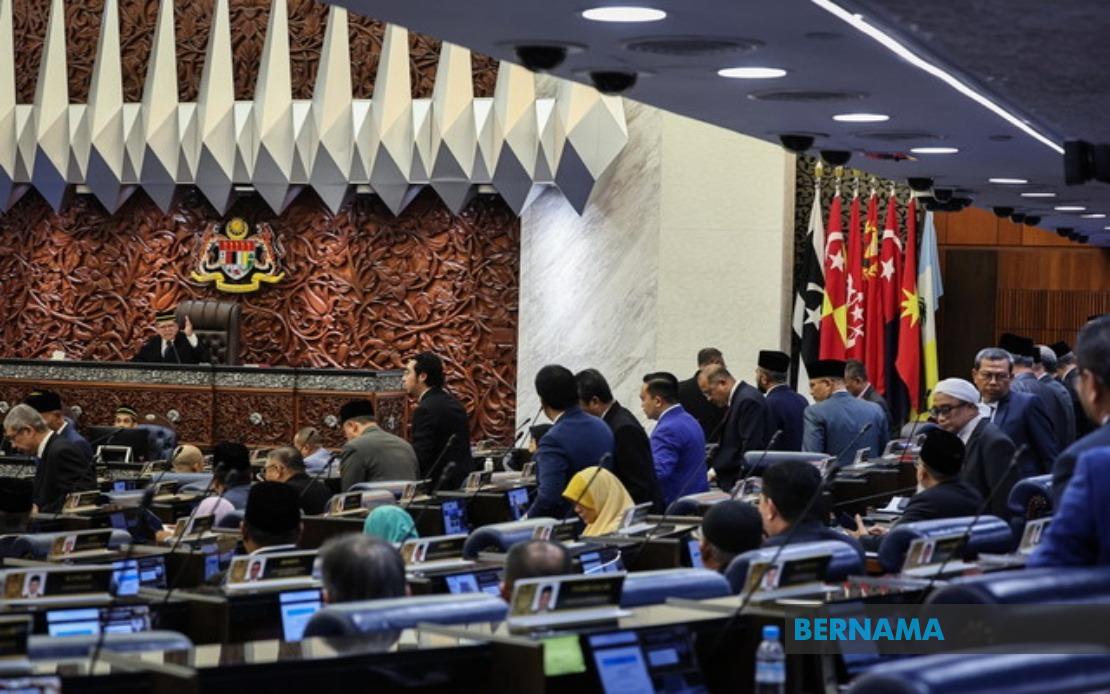
Opposition Members of Parliament boycotted a special parliamentary sitting in Kuala Lumpur on August 11, refusing to participate in a ministerial presentation concerning the Royal Commission of Inquiry report into Lembaga Tabung Haji's administrative and operational conduct. The coordinated departure reflected escalating tensions within Malaysia's legislature over procedural decisions and the availability of senior government figures during proceedings addressing matters affecting millions of pilgrims.
The opposition's decision to exit the Dewan Rakyat stemmed directly from their objection to how Speaker Tan Sri Johari Abdul proceeded with scheduling the briefing despite the simultaneous absence of Prime Minister Datuk Seri Anwar Ibrahim and Deputy Prime Minister Datuk Seri Fadillah Yusof. Both senior officials were unavailable due to health-related commitments requiring medical attention, leaving the parliamentary chamber without its two highest-ranking executive representatives during discussion of a matter with substantial public interest implications.
Peikatan Nasional's chief opposition whip, Datuk Seri Takiyuddin Hassan, had formally moved to postpone the special sitting, arguing that proceeding without the Prime Minister and Deputy Prime Minister undermined the significance of the proceedings. His motion reflected a substantive position that decisions regarding implementation of RCI recommendations and responses to institutional governance failures warranted the personal involvement of the nation's top leadership rather than delegation to lower-ranking ministerial staff.
The Speaker's response demonstrated his commitment to maintaining parliamentary schedule integrity. Rather than accommodate the postponement request, Johari Abdul permitted those objecting to the arrangement to withdraw from the chamber while the briefing proceeded under the original timetable. His statement that the public would judge lawmakers based on their participation choices carried implications about political responsibility and institutional seriousness, effectively placing decision-making ownership on individual MPs.
Following the opposition's departure, Minister in the Prime Minister's Department (Religious Affairs) Dr Zulkifli Hasan proceeded with the scheduled briefing as planned. The government's determination to advance despite reduced parliamentary attendance underscored its position that the substantive work of addressing Tabung Haji governance issues should not be derailed by procedural disputes or temporary absences of top officials, however significant their titles.
The Tabung Haji issue carries particular resonance within Malaysia's political landscape and beyond Southeast Asia. The institution manages pilgrim funds and investments for hajj aspirants—a responsibility touching millions of Malaysian Muslims directly. Any governance failures or mismanagement allegations consequently generate intense public scrutiny and hold profound consequences for institutional trust and religious community confidence in state-managed financial mechanisms.
The Royal Commission inquiry itself represented a government acknowledgment that questions existed regarding how Tabung Haji administered its portfolios and managed operational decisions. Whether parliament addressed these findings comprehensively, transparently, and with appropriate leadership presence therefore transcended routine legislative business to encompass matters of institutional legitimacy and public accountability for managing sacred trust.
The walkout also reflected deeper parliamentary dynamics characteristic of contemporary Malaysian politics. Opposition bloc cohesion depends partly on demonstrating distinct positions from government policies and decisions, while simultaneously scrutinizing executive conduct. The opposition's boycott allowed them to register objection to both the substantive matter and the procedural decision, signaling to constituents and supporters that they maintained critical oversight even when unable to prevent government action.
For Malaysian readers and those across Southeast Asia following parliamentary developments, the incident illustrated persistent tensions between executive efficiency and legislative oversight. Governments often prioritize keeping schedules and advancing business; opposition blocs prioritize ensuring that matters of significant public concern receive attention from appropriate leadership levels. These competing priorities periodically generate such confrontations, particularly when substantive governance questions intersect with procedural disagreements.
The Tabung Haji situation also carries regional significance. Malaysia's model of government-managed pilgrimage funds and Islamic institutional administration attracts attention throughout Southeast Asia, where other predominantly Muslim nations balance religious governance with democratic processes. How Malaysia's parliament ultimately addresses the RCI findings and implements recommendations will signal broader lessons about institutional reform capacity within established democratic systems managing faith-based governance structures.
Moving forward, the parliamentary handling of Tabung Haji matters will likely remain contested terrain. Opposition lawmakers may continue pressing for more senior-level engagement with the RCI report and its implications, while government ministers navigate balancing immediate operational responses with political management of opposition expectations. The substance of governance reform at Tabung Haji—the ultimate issue affecting Malaysian pilgrims and the broader faith community—may depend partly on whether future parliamentary sessions command fuller attendance and more unified institutional engagement with the serious questions the RCI investigation raised.

