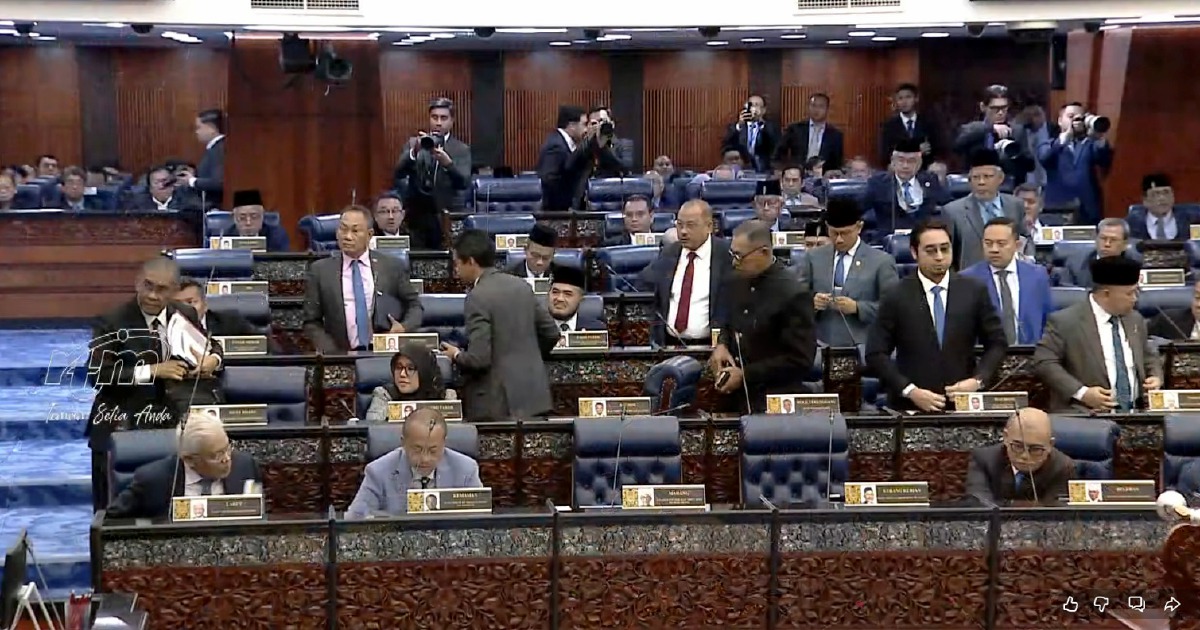
Tension boiled over in the Dewan Rakyat when opposition lawmakers staged a coordinated exit from the chamber, objecting to the parliamentary schedule for debate on a sensitive government report. The walkout occurred during a special sitting convened to discuss findings from the Royal Commission of Inquiry into Tabung Haji, the Islamic pilgrimage savings fund that has faced persistent scrutiny over its financial management and governance structures in recent years.
The opposition's primary grievance centred on what they viewed as procedural irregularity. Opposition members had formally requested that the debate be deferred until Prime Minister Datuk Seri Anwar Ibrahim could resume his full parliamentary duties, arguing that the premier's absence constituted insufficient representation during discussions of such consequential institutional matters. However, the Speaker of the Dewan Rakyat rejected this motion, determining that the sitting should proceed as scheduled despite the Prime Minister's unavailability.
This parliamentary confrontation reflects deeper tensions within Malaysia's legislative chamber concerning the government's handling of Tabung Haji's institutional crisis. The fund, which manages savings for Malaysian Muslims planning to undertake the Hajj pilgrimage, has faced mounting public concern over allegations of mismanagement, investment losses, and governance failures that have compromised members' accumulated savings. The RCI's investigation and subsequent report represent an official accountability mechanism, making the debate's timing and conduct matters of considerable political sensitivity.
The opposition's insistence on waiting for Anwar's return suggests concerns that discussing the report without the Prime Minister's direct participation could disadvantage parliamentary scrutiny or create optics of improper handling. In Westminster-style parliaments like Malaysia's, the presence and participation of senior government leadership during major debates on contentious matters carries procedural and political significance, signalling the government's commitment to transparent deliberation and accountability.
Tabung Haji has emerged as a flashpoint in Malaysian politics because of its particular vulnerability to controversy. Unlike standard financial institutions, the fund operates with heightened public trust expectations given its religious and cultural dimensions. Millions of Malaysian Muslims rely on Tabung Haji to accumulate funds for what many consider a spiritual obligation, making any governance failures carry not merely financial but cultural and religious implications that resonate beyond typical corporate scandals.
The RCI's investigation followed years of public disquiet regarding the fund's investment strategies and administrative decisions. Reports of significant losses, questions about the appointment and compensation of board members, and concerns about whether members' capital had been adequately protected fuelled demand for independent scrutiny. The government's establishment of the RCI represented a formal acknowledgement that institutional concerns warranted investigation at the highest investigative level available to authorities.
Parliamentary walkouts, while dramatic, serve specific tactical functions within Westminster-tradition legislatures. They represent a minority's formal protest against procedural decisions or political outcomes they view as fundamentally flawed, though they also carry reputational risks and can be characterised as obstructionist by government supporters. Opposition parties must calculate whether the symbolic impact of withdrawal outweighs the loss of opportunity to participate in debate and directly influence proceedings through argument and questioning.
For Malaysian observers, this incident illustrates ongoing contestation over parliamentary norms and procedures. The government commands the numbers to pass legislation and shape debate schedules, but the opposition retains mechanisms—including walkouts, procedural challenges, and public messaging—to contest decisions and draw public attention to grievances. The Speaker's role in adjudicating these disputes becomes crucial; their interpretation of standing orders and procedural propriety effectively determines whose interpretation of parliamentary requirements prevails.
The timing of the debate also intersects with broader Malaysian political dynamics. The current government configuration, achieved through multiple coalition arrangements and parliamentary realignments, operates with different structural characteristics than previous administrations. Understanding how parliamentary business proceeds, and whose preferences shape scheduling decisions, requires attention to these underlying political configurations and the interest groups they reflect.
For Tabung Haji members and the Malaysian public, the outcome of this RCI debate carries practical consequences. The recommendations emerging from parliamentary discussion may influence how the fund is restructured, how investments are managed going forward, and what accountability mechanisms are implemented to prevent recurrence of governance failures. The opposition's concern about procedure thus connects to substantive outcomes affecting millions of savers.
The Speaker's decision to proceed without the Prime Minister's presence establishes a precedent regarding parliamentary flexibility during leadership absences. How parliament conducts major debates when senior government figures are unavailable remains an evolving question in Malaysian practice, particularly given prime ministerial commitments to international travel, health considerations, and periodic parliamentary recesses.
This walkout episode ultimately reflects the challenging equilibrium Malaysian democracy maintains between executive efficiency and legislative accountability. Opposition participation and parliamentary procedure, even when contentious, remain essential to institutional legitimacy and public confidence in governance. How lawmakers navigate these tensions—through debate, negotiation, and occasionally through dramatic gestures like walkouts—shapes the character and credibility of Malaysian parliamentary democracy.

