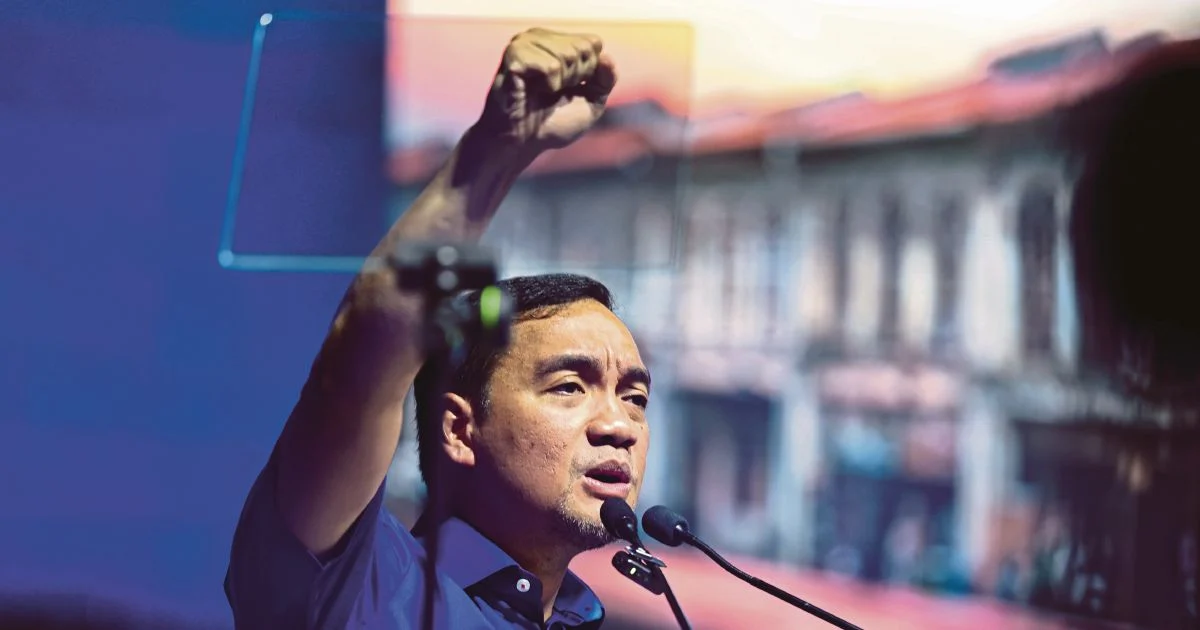
Caretaker Menteri Besar Datuk Onn Hafiz Ghazi has confirmed his intention to retain his Machap constituency in the forthcoming Johor state election. The announcement comes as the state prepares for a potentially significant electoral contest that will determine leadership at the state government level. Hafiz's decision to stand in Machap represents a continuation of his political presence in the southern Johor region, where the seat has been central to his political career trajectory.
The Machap constituency, located in Johor Baru district, forms part of the broader political landscape in Malaysia's southernmost state. Johor has long been a significant electoral battleground, with state elections carrying implications for the wider political balance in the peninsula. The caretaker Menteri Besar's commitment to contest the seat signals confidence in his ability to retain voter support in the constituency, despite the shifting political dynamics that have characterized Malaysian politics in recent years.
Onn Hafiz's position as caretaker Menteri Besar places him in a transitional leadership role during the pre-election period. This interim status reflects standard Malaysian constitutional practice, whereby the incumbent administration continues essential governance functions while the electoral process unfolds. His decision to contest Machap suggests continuity in his political ambitions and a determination to translate any electoral mandate into renewed executive authority following the polls.
The upcoming Johor election will be closely watched across Southeast Asia's second-largest economy, as state-level contests often serve as indicators of shifting voter sentiment. The results will determine not only who controls Johor's substantial resources and administrative apparatus but may also reverberate through national political calculations. Johor's economic importance—encompassing manufacturing, tourism, and strategic cross-border commerce with Singapore—means that governance of the state carries weight beyond its geographical boundaries.
Hafiz's political journey in Machap reflects the competitive nature of Malaysian electoral politics at the state level. The constituency comprises both urban and semi-rural areas with diverse demographic composition, presenting both opportunities and challenges for incumbent representatives. His track record in the seat and performance as chief minister will likely feature prominently in campaign messaging as he seeks to secure voter confidence for another term.
The caretaker government period preceding the election typically involves maintaining administrative stability while allowing political parties to campaign freely. Hafiz's dual role—managing state affairs while pursuing re-election—requires balancing governance responsibilities with political mobilization. This period is crucial for demonstrating competence in office while simultaneously building electoral momentum for the impending contest.
Johor's political ecosystem encompasses multiple competing parties and coalitions vying for influence and representation. The state has experienced various power-sharing arrangements and coalition configurations in recent electoral cycles, reflecting the fluid nature of Malaysian politics. Hafiz's candidacy in Machap occurs within this complex partisan environment, where alliances and rivalries continue to shape electoral calculations and strategic positioning.
The announcement of candidacy typically signals a party's confidence in its electoral prospects and the viability of its leadership choices. By confirming Hafiz as the standard-bearer for Machap, his political organization demonstrates belief in his electoral appeal and fitness for the top executive position. Conversely, opposition parties will likely identify challenger candidates to contest the seat and present alternative visions for Johor's governance and development priorities.
Voter sentiment in Machap and across Johor will ultimately determine the election outcome. Malaysian voters increasingly demonstrate sophistication in their electoral choices, weighing multiple factors including development track records, leadership competence, economic management, and policy platforms. The Machap electorate will assess Hafiz's administration of state affairs and his vision for the constituency's future against competing alternatives presented by opposing candidates and parties.
The broader implications of the Johor election extend beyond state boundaries. As a major state with substantial population and economic output, the results may influence national political dynamics and coalition calculations at the federal level. Political strategists across the peninsula will monitor voting patterns and constituency-level results as indicators of broader trends in Malaysian political preferences and voter behavior.
For residents and stakeholders in Machap specifically, the election represents an opportunity to assess their current representative's performance and decide whether to grant renewed support or consider alternative candidates. Development projects, service delivery, constituent grievance redressal, and alignment with voters' priorities on state and national issues will likely feature in electoral deliberations across the constituency.
As Johor moves toward its election date, political campaigning across all constituencies will intensify. Hafiz's campaign in Machap will constitute part of a broader organizational effort to secure a government mandate. The convergence of state-level electoral contests, caretaker administration protocols, and evolving Malaysian political trends creates a significant moment for Johor's democratic process and future governance direction.

