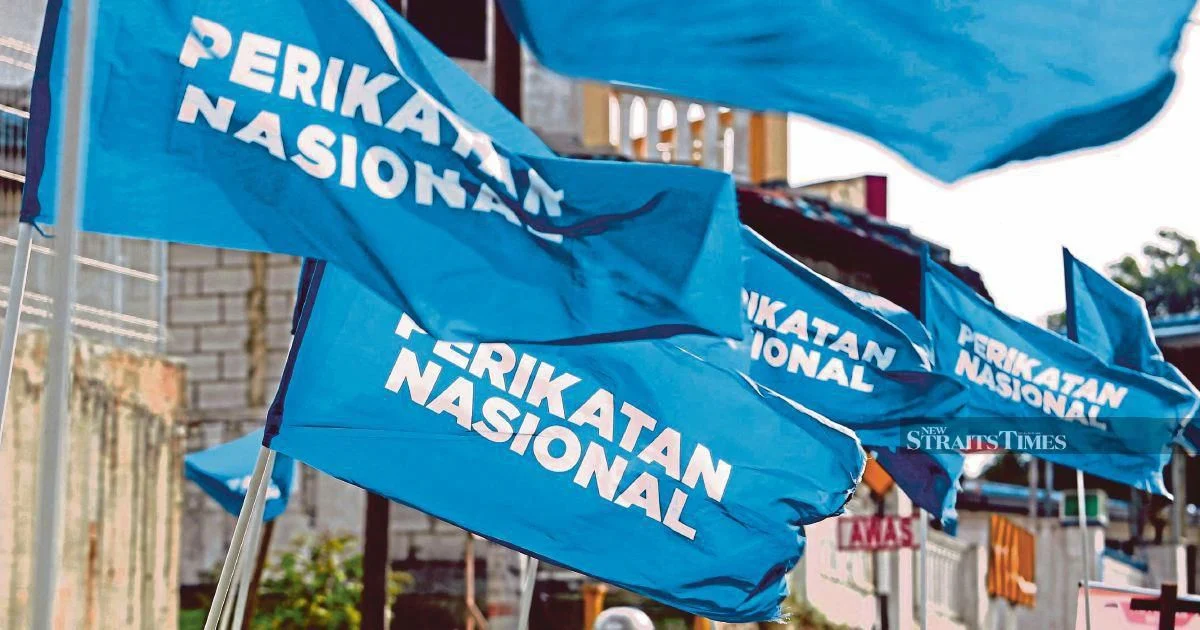
Deepening friction within the Perikatan Nasional coalition came into sharp focus as Pas leaders challenged Bersatu's authority to deploy the PN logo in forthcoming electoral contests across Johor and Negri Sembilan. The dispute underscores growing discord among PN's constituent members and raises fundamental questions about governance, organisational hierarchy, and decision-making protocols within the increasingly strained political alliance.
Pas representatives have made clear that only the coalition's chairman possesses the prerogative to authorise the use of PN's emblematic branding in electoral campaigns. This assertion reflects Pas's interpretation of the coalition's constitutional arrangements and decision-making framework. The statement carries significant weight given Pas's seniority as an established political force and its prominent role in PN's formation and operations. By invoking this procedural requirement, Pas implicitly questions whether Bersatu sought or obtained proper sanction before planning to utilise the coalition logo.
The controversy highlights longstanding structural ambiguities within Perikatan Nasional itself. Since its establishment, the coalition has grappled with defining clear hierarchies, approval mechanisms, and operational protocols. Unlike more formally institutionalised alliances, PN has often functioned through loose coordination rather than rigidly enforced procedures. This flexibility once served the coalition by allowing member parties considerable autonomy, yet increasingly it creates opportunities for dispute and misunderstanding, particularly as electoral pressures mount and electoral stakes rise.
Bersatu's position in this evolving dispute remains significant. The party has emerged as a substantial political actor following defections from Umno and subsequent organisational restructuring. Its strategic calculations regarding logo usage likely reflect broader calculations about electoral positioning and voter messaging. For Bersatu, the PN logo carries associations with Malay-Muslim conservatism and anti-establishment sentiment that could enhance its electoral appeal in both Johor and Negri Sembilan, two states with considerable demographic and political complexity.
For Malaysian and Southeast Asian observers, this internal PN friction signals deeper instability within one of Malaysia's major political blocs. The coalition was constructed partly in opposition to established power structures, yet internal contradictions now threaten its cohesion. Such tensions typically intensify during election cycles, when parties calculate advantage narrowly and cooperation becomes transactional rather than ideological. The upcoming Johor and Negri Sembilan contests represent crucial tests of PN's viability as an electoral force.
The timing of this dispute carries regional implications. Southeast Asia's political landscape increasingly features coalition politics, where multi-party alliances shape governance outcomes. PN's internal management challenges offer instructive lessons for similar formations across the region. Should PN experience significant fracturing, it could reshape Malaysia's political balance substantially, with ripple effects across broader regional political dynamics and Southeast Asian stability considerations.
Pas's assertive stance reflects its broader strategic interests within the coalition framework. As the largest component in terms of organisational structure and membership, Pas has vested interest in maintaining its influence and preventing smaller parties from unilateral decision-making. The emphasis on procedural requirements and coalition chairman authority represents Pas's attempt to preserve its prerogatives and prevent what it might view as Bersatu overreach or opportunism.
The debate also reflects substantive differences in how Bersatu and Pas conceptualise coalition operations. Bersatu's relative newness to formal political alignments may explain more flexible approaches to protocol, whereas Pas, with decades of electoral experience, prioritises established procedures and formalised decision structures. These differing organisational cultures create friction when parties operate within shared frameworks without prior agreement on fundamental operating principles.
For voters in Johor and Negri Sembilan, PN's internal disputes carry practical consequences. Logo disputes, whilst seemingly technical, affect campaign messaging, voter perception, and electoral presentation. Confusion about which logo appears on ballots or campaign materials could undermine PN's electoral effectiveness and voter clarity. Such organisational tangles frequently disadvantage coalitions seeking to project unity and competence to sceptical electorates.
The controversy also invites scrutiny of PN's governance structures more broadly. Well-functioning coalitions typically establish clear written protocols governing resource usage, decision-making authority, and dispute resolution. PN's reliance on informal arrangements and personal relationships appears increasingly inadequate as the coalition matures and electoral pressures intensify. Formal institutional development might prevent future conflicts, yet such measures require all members to accept constraints on individual autonomy.
Looking forward, this dispute likely foreshadows further tensions as electoral campaigns intensify. Parties will increasingly compete for campaign resources, voter attention, and strategic positioning. Without clear framework governing such competition, PN faces risk of escalating internal friction that could undermine electoral performance. The coalition's ability to navigate these challenges whilst maintaining basic functionality will substantially influence outcomes in both upcoming state elections.